
For Pokémon’s 30th birthday, Nintendo chose practicality over symbolism: instead of reissuing the 1996 Red and Blue originals, it is selling the Game Boy Advance remakes – Pokémon FireRed and LeafGreen – on Switch and Switch 2 as the “definitive” versions. That decision hands players more playable content (color, the Sevii Islands, gameplay tweaks) – but it also exposes how conservative this anniversary move really is.
- Release date and price: February 27, 2026; €20 per game on the eShop.
- Platforms and parity: Switch and Switch 2 releases with the same performance; GameChat supported on Switch 2, local wireless for trades and battles, no online matchmaking.
- What Nintendo said: the company called the GBA remakes the “ultimate” versions, preferring added features and content over republishing the grayscale originals.
- Outstanding caveat: eShop references to Pokémon Home support were removed shortly after appearing, leaving the most important modern convenience up in the air.
Table of Contents (6)
They sold the version you can actually play — and sell again
Nintendo’s FAQ answer is blunt and telling: fans would “appreciate the ultimate versions” — FireRed and LeafGreen — because they add “various features and improvements” to the originals. Translation: Nintendo prioritized a release that actually feels finished on modern hardware. FireRed/LeafGreen already ship in color, include the Sevii Islands (extra postgame content), and contain gameplay refinements Game Boy Red/Blue lack. For the player who wants a playable nostalgia hit, that makes sense.
But there’s a second reading. This is the low-risk anniversary product. Porting the GBA remakes requires less emulation gymnastics than rebuilding or re-releasing the 1996 originals with online features or a museum-quality presentation. It avoids painful decisions about translating outdated mechanics, and it gives Nintendo two discrete SKUs to sell at €20 apiece — neat, tidy, and profitable.
The thin-edges fans will notice
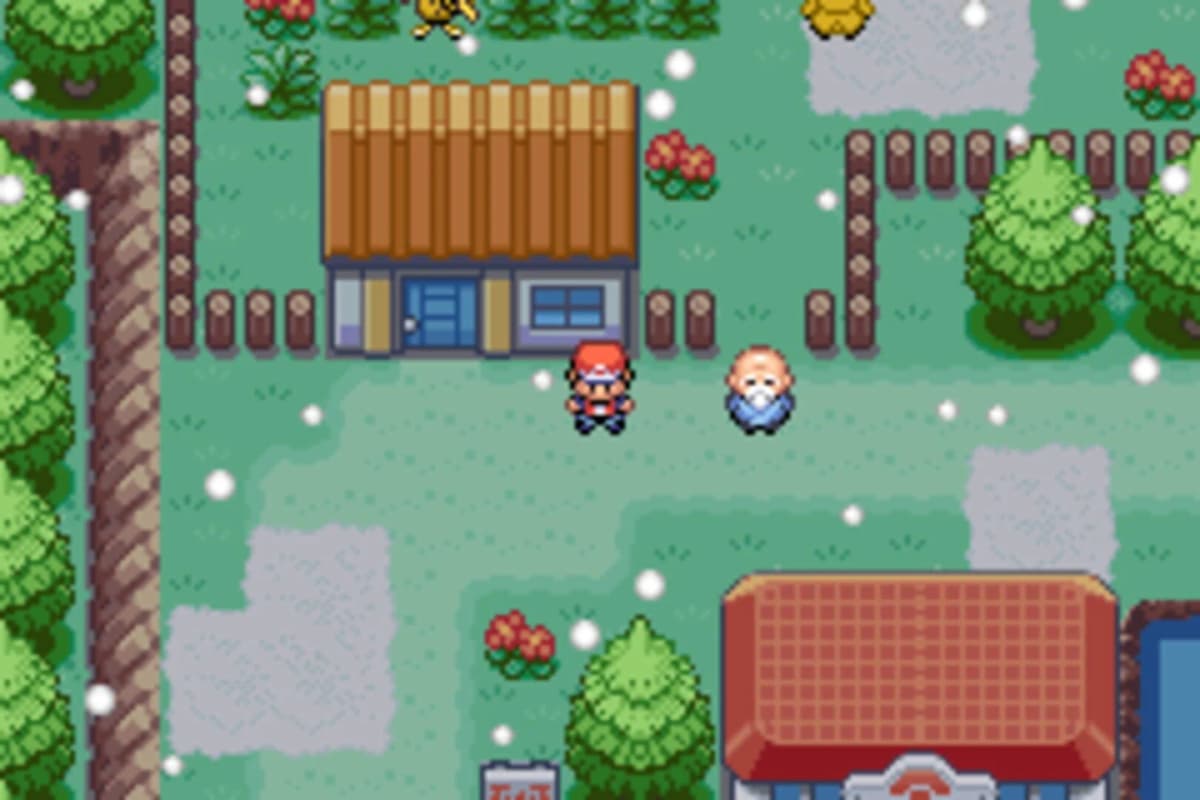
Across reporting from Nintendo Life and Eurogamer, the ports are faithful to the GBA releases: no graphical overhaul, original pixel art preserved, and modern conveniences limited to local wireless (trades, battles, up to four players) and GameChat on Switch 2. There’s no online play, so you won’t be matchmaking across the internet; Nintendo explicitly says Nintendo Switch Online isn’t required because there is no online mode.
The catch that matters most: Eurogamer flagged — and fans noticed — that eShop pages briefly mentioned compatibility with Pokémon Home, then had those mentions removed. Pokémon Home support would be the single feature most likely to justify buying a paid re-release of decades-old games: the ability to move Pokémon between generations. Nintendo has not committed publicly to Home at launch; the removal creates a real risk these ports will feel thin unless Home arrives later.
The timing and platform context aren’t accidental
Nintendo is releasing these on February 27 to coincide with the Pokémon Direct and the 30th celebrations — that alignment is strategic. Nintendo Life notes preorders and preloads are live, screenshots and trailers show the unchanged GBA visuals, and the games are already topping eShop charts. Meanwhile, broader platform dynamics matter: reporting from Numerama points out the Switch 2 is selling strongly but many players still own OLED or original Switch hardware. Nintendo’s claim that the titles run the same on Switch and Switch 2 lets it reach the broadest audience without having to tailor versions to new hardware.
The uncomfortable observation
This anniversary announcement is less a celebration of Pokémon’s origins than a pragmatic commercial choice. Nintendo picked remakes that already exist, require minimal rework, and offer just enough modern conveniences to be marketable. The PR framing — “ultimate versions” — is accurate in content terms, but it also glosses over what many fans wanted: a true reissue of the 1996 originals with museum-grade emulation, online features, or a guaranteed Home bridge.
What to watch
- February 27, 2026: the Direct and simultaneous eShop launch — Nintendo will either confirm or dispel Home compatibility and any post-launch plans.
- eShop pages and patch notes: look for explicit Pokémon Home support or a roadmap for adding it later; that’s the feature that changes the value proposition.
- Sales and community reaction: these ports are already charting highly. Watch whether players buy both versions or stick to one given the €20 price point.
- Whether original Red/Blue ever get an official re-release: Nintendo’s choice here doesn’t rule it out, but it lowers the chance they’ll deliver a separate, high-effort edition this anniversary.
TL;DR
Nintendo is re-releasing Pokémon FireRed and LeafGreen on Switch and Switch 2 for Pokémon’s 30th anniversary because they’re the “ultimate” playable versions with added content, not the 1996 originals. The ports are faithful to the GBA releases (color, Sevii Islands, local wireless, GameChat on Switch 2) but lack online play — and mention of Pokémon Home support was quietly removed from eShop listings. The single thing that will change whether this feels like a worthy purchase: an explicit Pokémon Home integration at launch or soon after.
FinalBoss // Gear
Level up your setup
01Best-selling Switch 2 gameson Amazon→02Switch 2 accessorieson Amazon→038BitDo controllerson Amazon→04Discounted game keyson Kinguin→Affiliate links · As an Amazon Associate, FinalBoss earns from qualifying purchases.
Want to Level Up Your Gaming?
Get access to exclusive strategies, hidden tips, and pro-level insights that we don't share publicly.
Ultimate Gaming Strategy Guide + Weekly Pro Tips