
Here’s the direct answer: Nintendo has revealed a new Star Fox for Switch 2, and it is effectively a full remake of Star Fox 64, not a brand-new sequel. It launches on June 25, 2026, with a $50 digital price and a $60 physical edition. That gives fans a date, a cost, and a pretty clear idea of what Nintendo thinks this franchise is in 2026: not dead, not fully reinvented, but carefully revived through its safest and most replayable entry.
That last part matters more than the headline. Nintendo did not bring Fox McCloud back with a risky open-world reboot or some bloated live-service experiment. It reached for the one Star Fox game almost everyone agrees still works, rebuilt it for new hardware, and bolted on modern extras like online battle modes, updated visuals, new cinematics, and alternate control options. Safe? Absolutely. Sensible? Also yes.
Table of Contents (6)
This is a remake, and Nintendo is choosing caution on purpose
The big takeaway is not just that Star Fox is back. It’s that Nintendo is bringing it back through Star Fox 64 again. That tells you everything about where the series stands internally. Star Fox Zero on Wii U was supposed to be the modern reset. Instead, it became a case study in how forced hardware gimmicks can smother a fundamentally good arcade shooter. Since then, Fox has mostly existed as a memory, a cameo machine, and a reminder that Nintendo has never fully solved what this series should be outside its on-rails comfort zone.
So Nintendo is not solving that problem yet. It’s sidestepping it. A remake of Star Fox 64 lets the company revive the brand with the least possible creative risk. The structure is proven. The pacing is proven. The levels are proven. Even the nostalgia is pre-installed. If this thing lands, Nintendo gets to say the franchise still has an audience. If it doesn’t, the company can quietly shrug and blame the market instead of its design choices.
That may sound cynical, but it is also how publishers behave when a legacy series has burned through too many identity crises. This is Nintendo doing brand triage with polish.
The June 25 release date is clear enough, even if one detail got fuzzy
Across the reporting around the reveal, the release date consistently lands on June 25, 2026, and that is the date tied to Nintendo’s official listing in the research brief. One background source cited June 26 instead, which looks more like a regional timing discrepancy or a reporting mismatch than a genuine split in Nintendo’s plan. For practical purposes, June 25 is the date to watch.
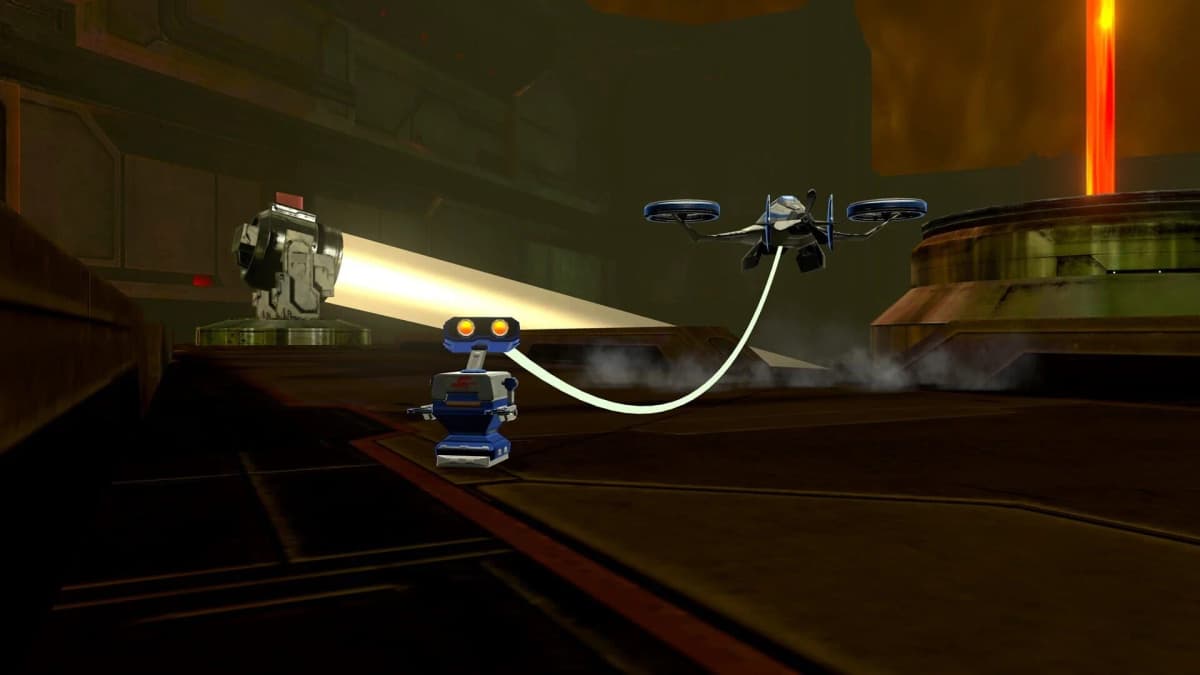
That turnaround is quick. Roughly seven weeks from reveal to launch is not how Nintendo handles giant flagship bets. It is how Nintendo handles a project it understands, a project that likely has been quietly ready for a while, and a project it thinks can benefit from surprise more than a year-long marketing campaign. In other words, Nintendo is treating Star Fox less like a massive reinvention and more like a tightly packaged software play for early Switch 2 momentum.
That is not a knock. Frankly, more publishers should announce games when they are close enough to actually sell them instead of asking for eighteen months of emotional preorders.
The weirdest part of this announcement is the price split
The pricing is simple on paper: $50 digitally, $60 physically. But the implication is not simple at all. Usually, digital and physical versions launch at price parity, even when everyone knows the manufacturing costs are different. Nintendo going lower on the eShop version looks deliberate.
If that pricing holds broadly, it suggests Nintendo wants to condition Switch 2 buyers toward digital adoption faster than it has in previous generations. That makes business sense. Digital sales give platform holders better margins, tighter ecosystem control, and fewer retail headaches. The physical version at a premium feels less like added value and more like a gentle tax on collectors, preservation-minded players, and anyone who still likes owning a cartridge they can resell.
And yes, that is the uncomfortable question in this announcement: is Nintendo testing a new normal where physical becomes the “luxury” option by default? Because if a mid-sized remake gets this pricing structure, don’t be surprised if bigger Switch 2 releases start using the same logic. This may be a Star Fox story on the surface, but there is a platform strategy buried under it.
The feature set is smart, but it also dodges Nintendo’s old mistake
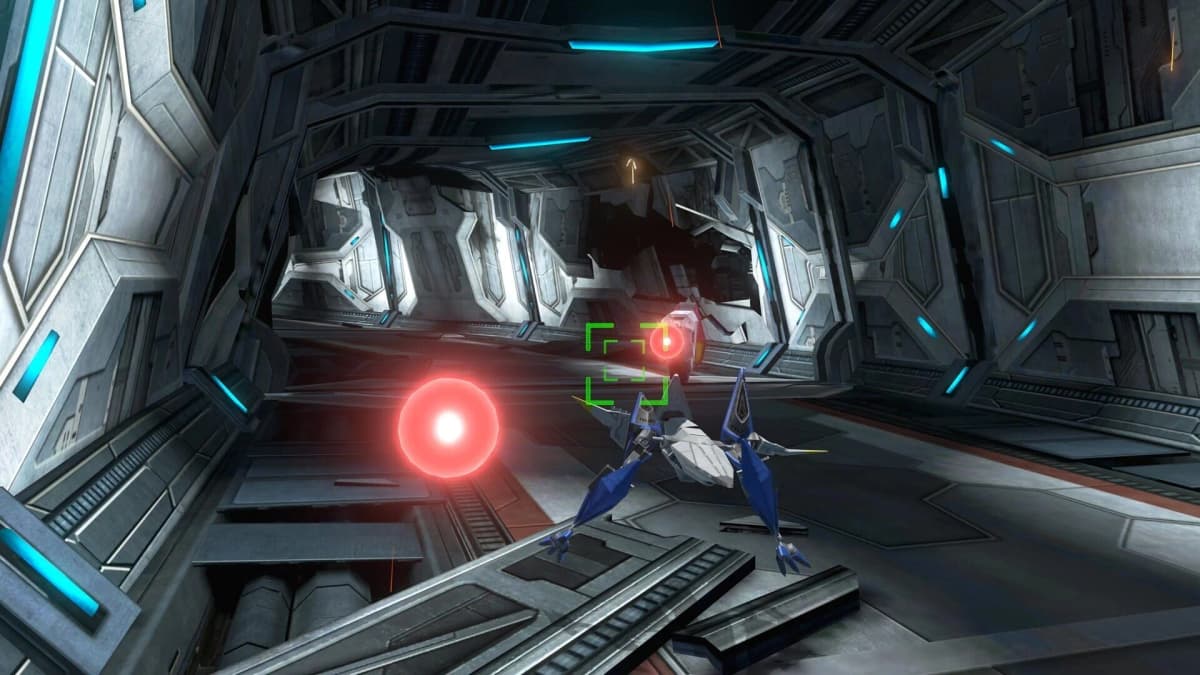
Based on the research and background reporting, the remake keeps the original rail-shooter backbone while adding a visual overhaul, new cutscenes, challenge content, and multiplayer options including online battles. Reports also point to local pilot-and-gunner co-op, N64 controller support through Switch Online, and Joy-Con mouse aiming on Switch 2.
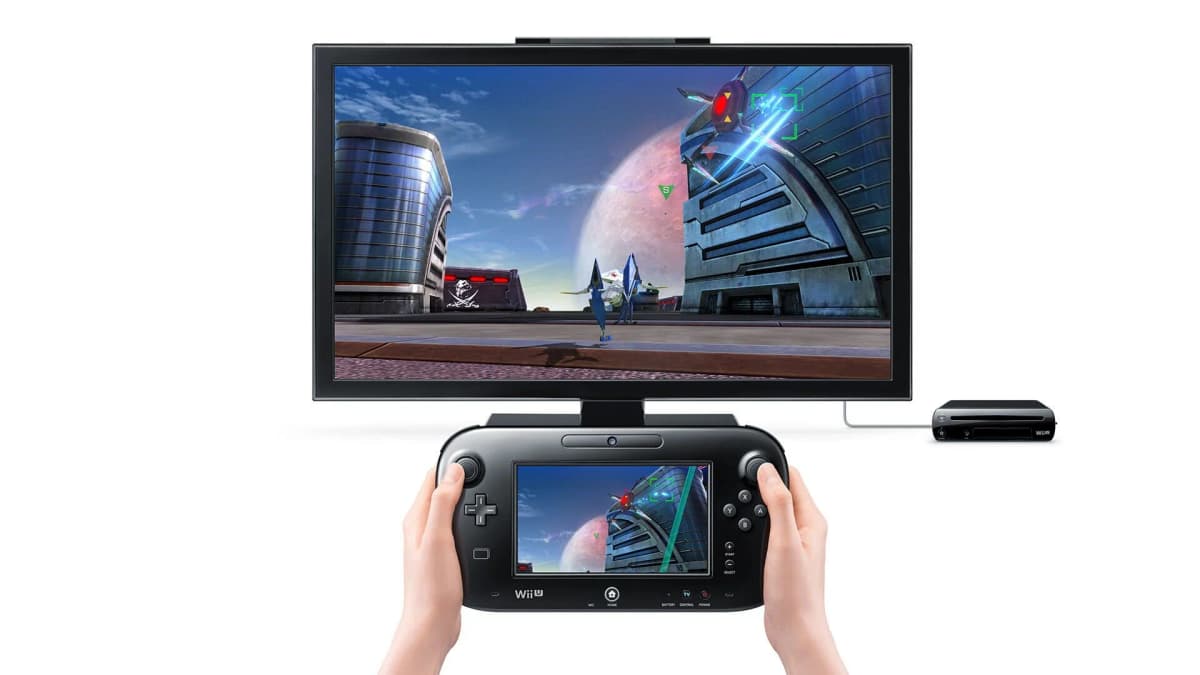
The important part is that these features sound additive rather than mandatory. That is the lesson Nintendo should have learned from Star Fox Zero: players will tolerate optional novelty, but they do not want the entire game held hostage by a control experiment. Mouse aiming, split roles, retro controller compatibility, and online dogfights all make sense if the core game still works with a normal setup first.
There is also a practical reason this package could land better than people expect. Star Fox 64 was built for replayability before that became an indie marketing bullet point. Short runs, branching paths, score chasing, medal hunting, and clean arcade readability still hold up. If Nintendo has resisted the urge to overcomplicate it, this could be one of the cleaner “old game, new hardware” remakes the company has done.
What gamers still need answered
The reveal covers the basics, but there are still a few details that matter more than Nintendo’s promo language. First: how extensive is the remake beyond presentation? “Based on Star Fox 64” can mean faithful rebuild or cautious remix, and those are not the same thing. Second: how substantial is the online battle mode? A throwaway 4v4 extra is nice for a trailer. A real competitive side mode could give the package a longer tail. Third: how good is the voice and cutscene work? Star Fox lives or dies on tone faster than people admit.
The other question is the bigger one Nintendo did not answer: if this succeeds, does Star Fox finally get a future beyond remaking 1997 again? Because nostalgia can reopen a door, but it cannot walk through it for you.
What to watch next
- Watch for Nintendo’s final store listings and regional pages to confirm whether June 25 is universal or whether some territories slip to June 26.
- Watch for hands-on previews that clarify whether mouse controls are optional and whether standard controls feel fully tuned from the start.
- Watch for details on online battle depth, because that will determine whether this is a short nostalgia hit or a game with actual staying power.
- Watch the pricing pattern on future Switch 2 releases. The $50 digital/$60 physical split may be the most important long-term signal in this entire announcement.
So yes, Star Fox is back, and for once Nintendo is making the sensible move: remake the one entry people still trust, launch it quickly, and price the digital version aggressively. The catch is that this announcement is doing two jobs at once. It revives a dormant series, and it quietly tests how much of the Switch 2 audience is willing to follow Nintendo deeper into a digital-first future.
FinalBoss // Gear
Level up your setup
01Best-selling Switch 2 gameson Amazon→02Switch 2 accessorieson Amazon→038BitDo controllerson Amazon→04Discounted game keyson Kinguin→Affiliate links · As an Amazon Associate, FinalBoss earns from qualifying purchases.
Want to Level Up Your Gaming?
Get access to exclusive strategies, hidden tips, and pro-level insights that we don't share publicly.
Ultimate Gaming Strategy Guide + Weekly Pro Tips