
Tomodachi Life: Living the Dream might be the most “clippable” game Nintendo’s made in years – and it’s launching with the brakes welded on. The Switch-native screenshot and video share features are disabled, Nintendo’s content rules are stricter than ever, and the company clearly wants all the chaotic, player-made jokes without the inevitable mess of the internet actually seeing them.
Table of Contents (8)
Key takeaways
- Nintendo is blocking native Switch screenshot/video sharing for Tomodachi Life: Living the Dream, explicitly to limit out-of-context or vulgar UGC clips.
- This clashes directly with the game’s design, which leans hard into wild user-generated jokes, custom Miis, and meme-ready scenarios.
- It fits a bigger shift in Nintendo’s content guidelines: no more raw gameplay/music uploads and stricter bans on “inappropriate” material in anything Nintendo-related.
- Players will share clips anyway via capture cards and phones – the people most hurt by the restriction are regular fans, not trolls.
Nintendo built a viral joke factory, then hid the off switch
On paper, Tomodachi Life: Living the Dream is exactly the kind of game that explodes on TikTok and X. It’s a life sim where you drop Miis – friends, streamers, celebrities, your boss — onto an island and let Nintendo’s AI generate surreal drama. They confess crushes, write awful songs, deliver deadpan one-liners, and get into nonsense beefs that feel tailor-made for 15-second clips.
On Switch, it goes even harder than the 3DS original. Previews have called it an “ultimate inside joke game,” with:
- Much deeper Mii customization, including freeform face drawing that lets you create anything from perfect avatars to cursed nightmare fuel.
- Expanded dialogue and naming options, with far fewer filters than we’re used to from Nintendo text boxes.
- Island terraforming, custom decor, and a workshop to design clothes, food, and other items — effectively a meme factory with a physics engine.
- More inclusive relationship options, removing some of the notorious limitations of the original Tomodachi Life.
In the demo alone, people quickly pushed the toolset into NSFW and borderline offensive territory — explicit dialogue running through half the island, Miis repeating dirty jokes to each other, and social feeds full of screenshots that looked nothing like a typical “family-friendly” Nintendo commercial.
And that’s where Nintendo slams the door. In the final game, Switch-native screenshot and video sharing is disabled. Hit the capture button and you get a “nope.” No direct posts to X, no quick clips to your friends, nothing.
This is the uncomfortable contradiction at the heart of Living the Dream: Nintendo wants the emergent comedy of players letting Miis run wild, but it doesn’t actually trust us with what that looks like outside its own trailers.
This isn’t just about one life sim — it’s Nintendo vs. the modern internet
Tomodachi’s share lockout isn’t happening in a vacuum. It lines up neatly with Nintendo’s updated content usage guidelines, which quietly got stricter recently.
Those guidelines now say, in plain language: if you upload or stream Nintendo gameplay, you’re supposed to add “creative or editorial input”. Raw gameplay dumps, ripped trailers, or straight soundtrack uploads are not OK. Nintendo also reserves the right to yank anything it decides is:
- Unlawful or infringing
- “Inappropriate,” “harmful,” or “offensive”
- Graphic, explicit, obscene, or bullying/harassing
In other words, Nintendo wants to control both how its games appear online (no raw mirrors) and what they’re associated with (no vulgar edits, no hateful nonsense, nothing that makes a brand manager sweat).
We’ve seen this instinct before. The short-lived Nintendo Creators Program on YouTube, the aggressive music takedowns, the fights over Smash tournament streams — anytime fans or creators do something Nintendo can’t neatly predict or monetize, the lawyers show up. Tomodachi Life: Living the Dream just happens to collide with that mindset harder than most, because the game itself is built out of chaos.
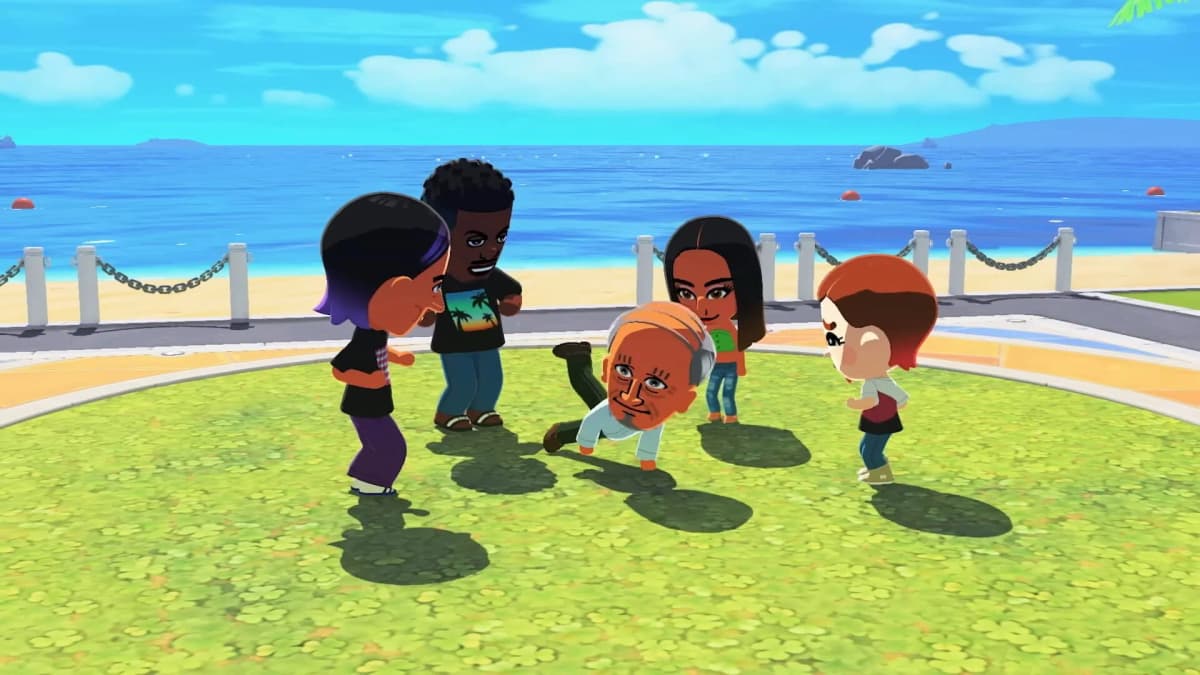
If I had one question for Nintendo PR, it’d be this: why build an “ultimate inside joke game” in 2026 and then ship it as if Miiverse were still your primary social network?
The safety problem is real — the solution is lazy
To be fair, the risk here isn’t imaginary. Living the Dream is a user-generated content machine aimed squarely at the same broad audience that plays Animal Crossing. That includes kids. Give players near-unfiltered text boxes, custom visuals, and AI-driven slapstick, and you’re going to get:
- Sex jokes and innuendo
- Offensive caricatures or stereotypes in the Mii creator
- Bullying scenarios targeted at real people
- Clips ripped out of context to make Nintendo characters say things they definitely wouldn’t in a TV ad
Nintendo is staring at years of TikToks and shorts where Mario, Isabelle, and the rest of the “Nintendo image” are edited into vulgar content. Now imagine that happening with a game where the whole point is putting real people’s faces and names on the characters. Moderation nightmares everywhere.
The problem isn’t that Nintendo wants to avoid hate speech, porn, and harassment in Tomodachi clips. That’s baseline responsible. The problem is that instead of building better tools and systems, it reached for the bluntest instrument it has: just cut off the easiest way to share anything at all.
We’ve seen other approaches work better in similar spaces:
- Roblox and Fortnite rely on age-gating, in-game reporting, and layered content filters — imperfect, but at least systemic.
- Dreams on PlayStation poured money into curation, moderation teams, and clear guidelines while still letting players remix everything.
- Even Mario Maker had a reasonably robust system for flagging and removing offensive levels without shutting down the core sharing feature.
By comparison, Tomodachi’s “no capture button for you” looks less like thoughtful safety design and more like a legal department killing a feature because it’s cheaper than staffing moderators or trusting players with any nuance.
The people this really hurts aren’t trolls — it’s everyone else
Here’s the irony: the players Nintendo is supposedly worried about silencing — the ones who will push the limits, make offensive characters, and farm edgy viral clips — are the least affected by this decision.
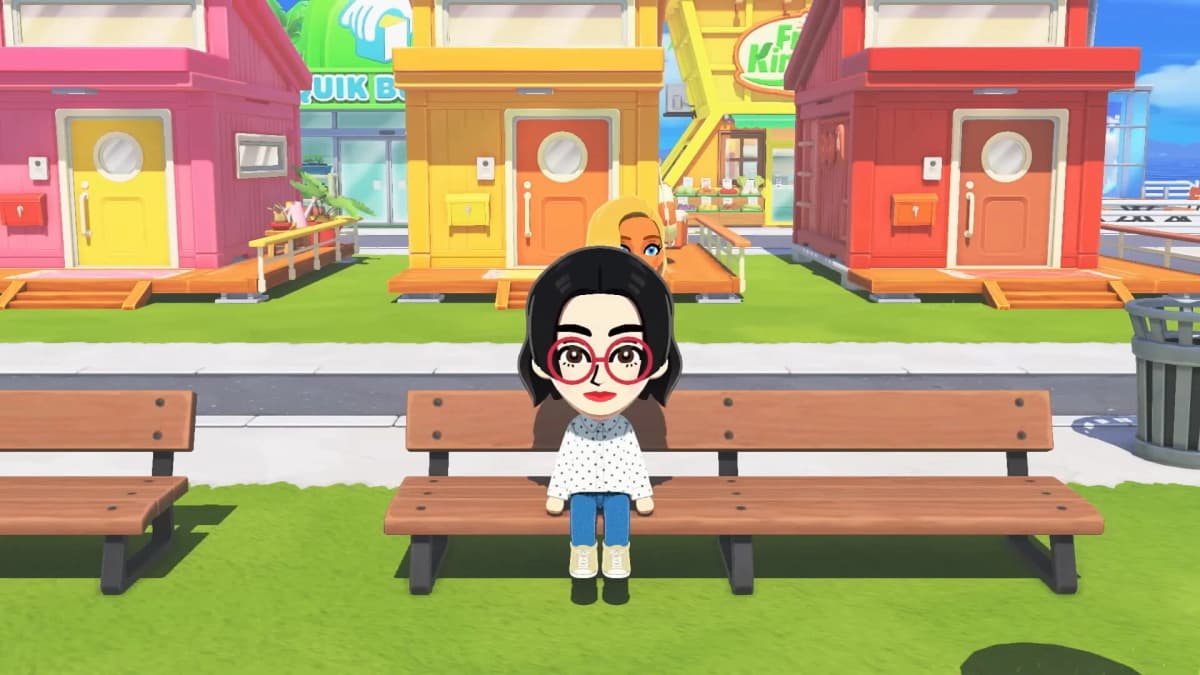
If you’re serious about making content from Tomodachi Life: Living the Dream, you already have ways around a disabled capture button:
- A capture card plugged into a docked Switch
- Phone footage pointed at your screen (ugly, but TikTok eats that up anyway)
- PC capture if you’re running through a portable monitor setup
Nintendo’s content guidelines still technically apply to this stuff, but let’s be honest: YouTube and TikTok are flooded with Nintendo content that never sees a manual review. Unless a clip blows up or gets mass-reported, it will live just fine.
The people actually blocked are:
- Kids who just wanted to post a silly Mii wedding screenshot to their linked social account.
- Casual players who don’t own capture hardware and will never bother with workarounds.
- Communities that thrive on low-friction sharing — Discords, small group chats, or friends trading nonsense clips directly from their consoles.
Living the Dream is, by design, a game about showing your island to other people. About turning your friend group into a soap opera and laughing together when the AI invents something dumb. Nintendo’s solution to “some of this will get gross” is to make that core loop clunky for everyone, not to meaningfully target the worst behavior.
It also kneecaps the game’s own discoverability. Animal Crossing: New Horizons rode a tidal wave of social clips and screenshots for months. Tomodachi is arguably even more naturally viral — but Nintendo is choosing a smaller, safer footprint over the free marketing they’d get from embracing the chaos.
Offline creativity, online silence
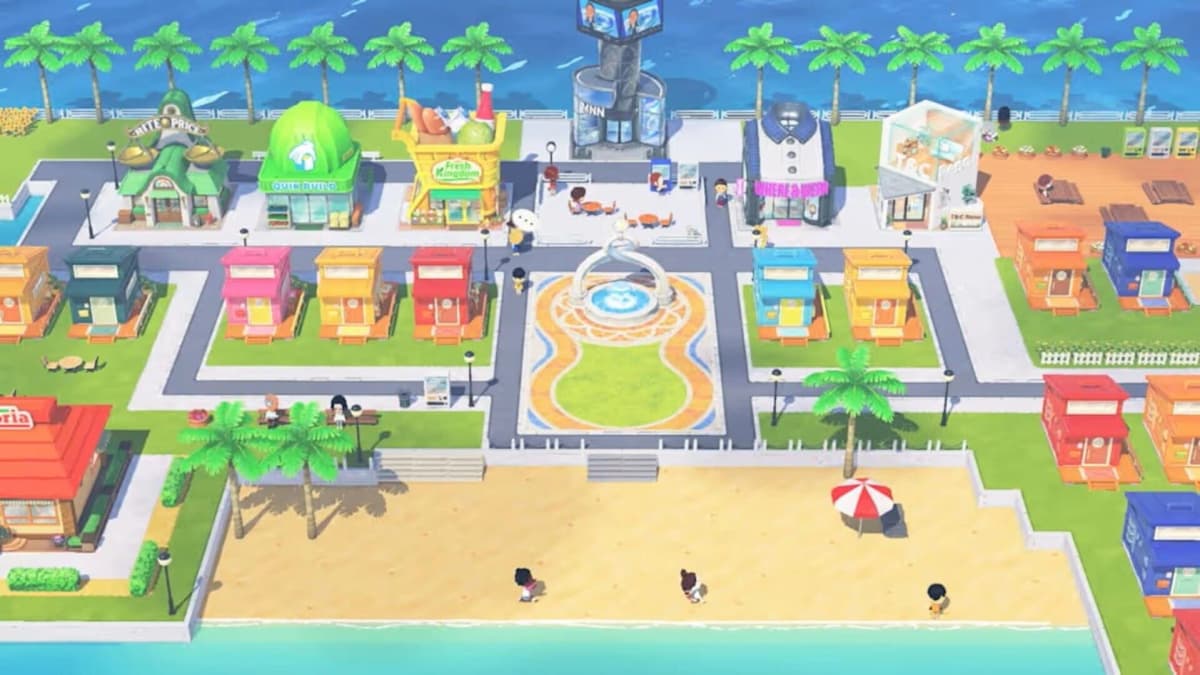
There’s another friction point here: Living the Dream already limits official sharing to your immediate physical bubble. The game’s creative systems — clothing designs, Miis, island setups — are mostly shared via local wireless, not global servers. No built-in browser of other players’ best work, no central showcase of the most unhinged islands on the planet.
That offline-first approach makes sense for Nintendo’s “everyone on the couch” fantasy, but it’s wildly out of step with how social sims actually live in 2026. Most people’s “couch” is a Discord server or a group chat. Their in-jokes live on timelines, not in a house where four friends happen to have their Switches on at the same time.
Layer the share lockout on top of that and you get a weird picture: a game stuffed with genuinely clever tools for expressing yourself, almost all of which are trapped in a walled garden unless you’re willing to jump through extra hoops.
That’s the real loss here. Not that we’re being “denied content” — there will still be plenty of Tomodachi clips online — but that Nintendo designed something that could have been a generational meme factory and then intentionally muffled it.
What this says about Nintendo’s next era
Tomodachi Life: Living the Dream is landing right as Nintendo gears up for its next hardware cycle. How it handles this game is a preview of how it’s going to handle all user creativity on whatever comes after Switch.
There are two paths here:
- The “toolbox” path: build robust moderation, age-gating, and creator tools into the platform. Accept that messy, sometimes uncomfortable UGC is the price of being culturally relevant. Give players control, clear rules, and ways to report bad actors without killing features.
- The “museum” path: keep tightening usage rules, limit sharing, and treat players less like collaborators and more like guests in a carefully supervised exhibit. Let creativity bloom offline, but keep its online footprint small and heavily sanitized.
Right now, Tomodachi’s restrictions feel firmly like the second path. Paired with the new content guidelines — no raw uploads, more power to deactivate “inappropriate” content — the message is simple: you can play in Nintendo’s sandbox, but they’ll decide what anybody else gets to see.
That’s frustrating because Living the Dream is good at what it does. The customization is smart, the emergent stories are genuinely funny, and the creative tools are surprisingly deep. This isn’t a bad or lazy game hamstrung for no reason. It’s a strong idea being held back by a company that still hasn’t made peace with the internet its games actually live on.
What to watch next
- Post-launch patches: If Nintendo quietly restores capture support or adds any kind of controlled sharing feature, that’s a sign the backlash or engagement data got through.
- Enforcement patterns: Watch how often Tomodachi clips get DMCA strikes or takedowns under the new content guidelines, especially around “offensive” or “inappropriate” humor.
- Future UGC-heavy titles: If the next big creative game on Switch or its successor ships with similar restrictions, that’s not an anomaly — it’s policy.
- Community workarounds: Expect fan-made hubs, discords, and maybe even third-party tools focused specifically on sharing Miis, designs, and islands outside Nintendo’s official channels.
FinalBoss // Gear
Level up your setup
01Best-selling Switch 2 gameson Amazon→02Switch 2 accessorieson Amazon→038BitDo controllerson Amazon→04Discounted game keyson Kinguin→
Affiliate links · As an Amazon Associate, FinalBoss earns from qualifying purchases.
Want to Level Up Your Gaming?
Get access to exclusive strategies, hidden tips, and pro-level insights that we don't share publicly.
Ultimate Gaming Strategy Guide + Weekly Pro Tips