
Table of Contents (8)
Paid upgrade, paid disappointment: Xenoblade X’s Switch 2 patch is getting refunds
Xenoblade Chronicles X: Definitive Edition’s Switch 2 upgrade promised higher resolution and “up to” 60fps – but several players posted side‑by‑side comparisons showing heavier blur, odd filtering and visible upscaling artifacts. The fallout was swift: multiple users say Nintendo’s eShop support granted refunds for the $4.99 upgrade after complaints landed in chat logs and forums. This isn’t just a bad patch; it’s a test of whether Nintendo will accept paying customers calling bullshit on a paid improvement.
Key takeaways
- Switch 2 upgrade released Feb. 19 touts 4K docked and up to 60fps for a $4.99 upgrade or a full Switch 2 edition purchase.
- Players posted comparisons alleging image‑quality regression: heavy upscaling, convolution/anti‑alias filtering and softer long‑range textures.
- Eurogamer and community reports say Nintendo has granted digital refunds to some buyers after they complained about visual quality.
- This episode highlights how “up to” performance claims and aggressive upscaling can create paid‑content backlash faster than a free patch would.
Why this matters more than one ugly screenshot
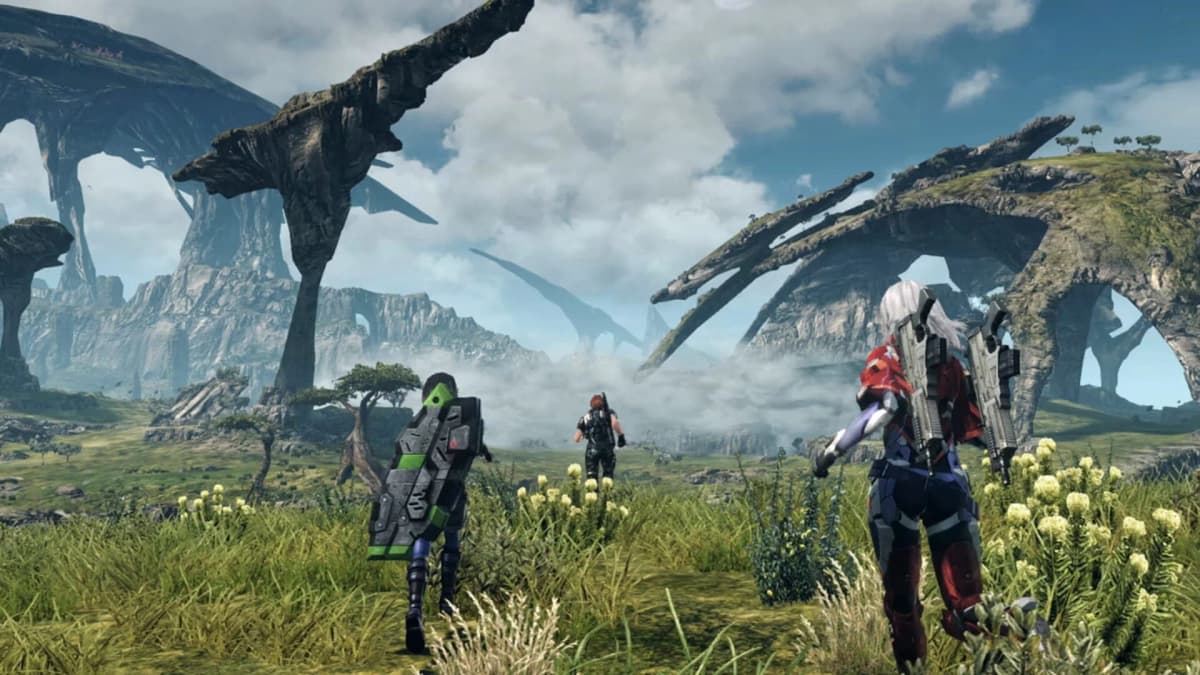
This isn’t a nitpick about one visual setting. Buyers paid for what was sold as an enhancement – higher fidelity and smoother framerate – and many feel they received the opposite. Community videos and GIFs have zoomed in on exactly how that happened: the new build appears to render at a lower internal resolution then apply heavy filters and upscaling to reach 4K, which can wash out detail and introduce smear. That’s not theory; people are posting moment‑by‑moment comparisons where the older Switch or even Wii U builds look crisper.
Switch 2 hardware and the current generation of ports commonly use resolution scaling, temporal upscalers and AI techniques (Digital Foundry’s recent Switch 2 coverage has shown developers leaning on aggressive scaling and NVIDIA‑adjacent upscalers to hit 60fps). Those tools work — when tuned carefully. When they’re used as a blunt instrument to chase a headline spec, you get this: “higher” numbers on a product page and worse perceived image quality on the screen. That’s the PR problem here.
Nintendo quietly giving refunds — what they didn’t want to be the headline
Multiple posts and a Eurogamer writeup say Nintendo’s eShop support refunded upgrade purchases after users complained the Switch 2 Edition looked worse than the version they already owned. The anecdote running through threads is consistent: contact the “contact us” link, tell the rep the upgraded version is inferior, and get the credit back. Nintendo reportedly told at least one player that refunds for digital purchases are not typical — but that support could act after “analyzing the problem.”
That’s an odd move for a company that usually treats digital purchases as final. Granting refunds implicitly acknowledges there’s a real problem here — or at least that customer dissatisfaction is visible and loud enough to be cheaper to placate than to defend. Either way, it means Nintendo sees reputational downside if this is left to fester.
The uncomfortable observation Nintendo hoped you wouldn’t make
The marketing language — “4K” and “up to 60fps” — hides an important caveat: those are target numbers, not promises of native resolution or lockstep performance. But gamers don’t just buy numbers; they buy results. Charging for an “upgrade” that visibly feels like a downgrade is a bad look, and not just for this title. It sets a precedent for how Nintendo will treat paid upgrades on Switch 2: small fees, big promises, and a reliance on optimistic specs over clearly communicated technical tradeoffs.
The question nobody’s asking (but should)
Will Nintendo patch this to match expectations, or quietly accept refunds as the cost of doing business? Bethesda’s recent Switch 2 work on Skyrim shows patches can dramatically improve perception once developers tune scaling and modes properly. If Monolith or Nintendo follow that path — a proper performance mode and a visuals mode, or a reworked upscaler — this can be fixed. But if the company treats refunds as the end of the story, the message to customers will be: pay for upgrades at your own risk.
If I were on a call with Nintendo PR, my first question would be blunt: will you publish a technical breakdown of what “4K/60fps” means here (native vs upscaled, internal resolution ranges, any temporal reconstruction used), and will the upgrade be tweaked post‑launch to address these specific complaints?
What to watch next
- Official statement or patch notes from Nintendo/Monolith in the next week clarifying resolution/framerate technique and promised fixes.
- A full technical analysis from Digital Foundry or similar labs — they’ll confirm whether the build is actually lower internal resolution + heavy filters, or just poor tuning.
- Whether Nintendo updates its eShop refund guidance for similar paid upgrades going forward.
- April 16 physical release — check whether cartridge build differs from the eShop Switch 2 upgrade and whether it ships with any fixes.
TL;DR
Nintendo’s $4.99 Switch 2 upgrade for Xenoblade Chronicles X promised 4K/60 but community side‑by‑sides show upscaling and filtering that many players find worse than the prior port. Nintendo appears to be issuing refunds, which says as much about customer tolerance for paid downgrades as it does about technical execution. Watch for an official technical breakdown or a patch — that will determine whether this is a temporary mess or a cautionary precedent for paid next‑gen upgrades.
FinalBoss // Gear
Level up your setup
01Best-selling Switch 2 gameson Amazon→02Switch 2 accessorieson Amazon→038BitDo controllerson Amazon→04Discounted game keyson Kinguin→Affiliate links · As an Amazon Associate, FinalBoss earns from qualifying purchases.
Want to Level Up Your Gaming?
Get access to exclusive strategies, hidden tips, and pro-level insights that we don't share publicly.
Ultimate Gaming Strategy Guide + Weekly Pro Tips