
Table of Contents (8)
Introduction: Hype vs. Reality on Day One
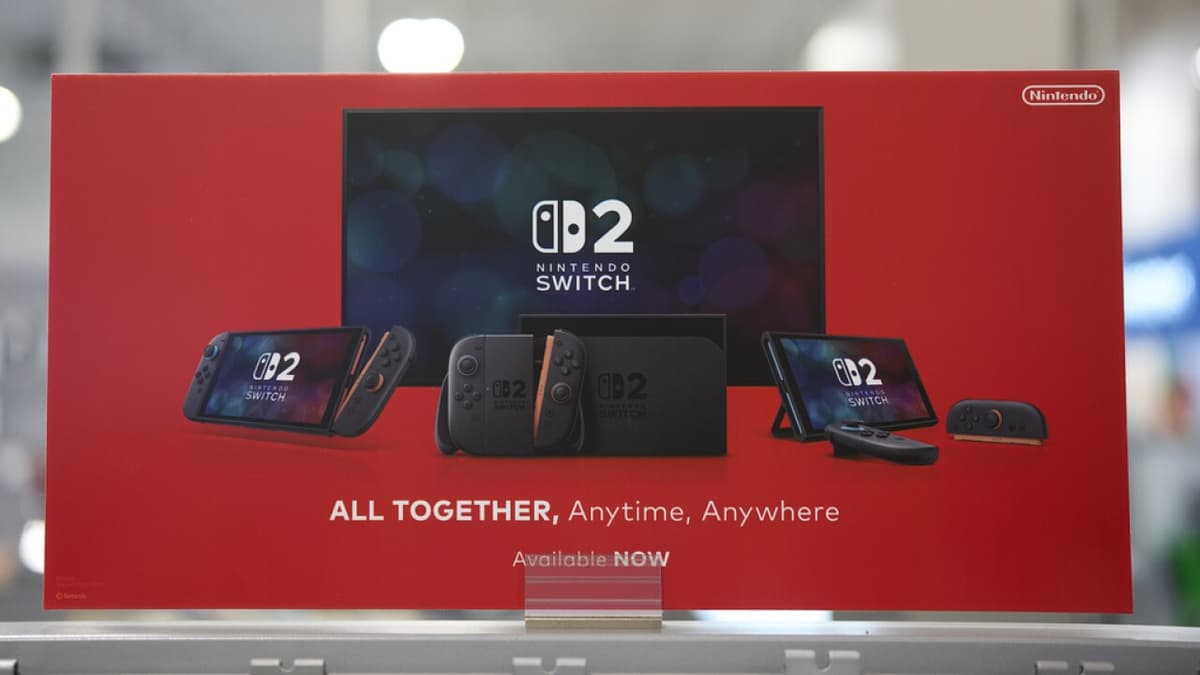
When Nintendo announced 3.5 million Switch 2 sales in four days—including a million in Japan—the gaming world took notice. It’s a generational moment for hardware, but scratch the surface and you’ll find a much different story in the software trenches. Third-party titles are barely making a ripple, overshadowed by Nintendo’s own marquee franchises.
Hardware Frenzy, Software Freeze
Switch 2’s launch is off the charts: 3.5 million consoles in four days sets a new record—even outpacing the PS4’s US opening. Yet on the game front, third-party releases are struggling to find traction. While Mario Kart World bundles boosted first-party sales to over 60% of physical US game purchases (and up to 86% in the UK), non-Nintendo labels are facing their toughest sell in years.
Backlog Dilemma and Free Upgrades
Backward compatibility is a double-edged sword. Early adopters are still blitzing through their Switch 1 libraries—especially since a dozen big first-party titles received free Switch 2 upgrade patches. Why buy another port when Tears of the Kingdom is already running at a buttery 60 FPS?
Marketing and Discoverability Challenges
Third-party publishers face a steep uphill climb on Nintendo’s digital storefront and retail channels. Unlike competing platforms, the Switch eShop highlights Nintendo’s own labels, while new ports and cross-gen games often get lost in a sea of icons.
- Limited home-page spots for non-Nintendo titles
- Smaller marketing budgets for shelf space in brick-and-mortar stores
- Opaque curation policies and infrequent front-page promotions
Case Studies: Ports That Missed the Mark
- Assassin’s Creed Mirage: Despite a strong franchise pedigree, the Switch 2 version felt rushed, with frame-rate dips and texture pop-ins. Players who’d already completed it elsewhere saw little incentive to buy.
- FIFA 24: EA’s long-running soccer sim offered only marginal performance gains over its Switch 1 edition. With robust modes like Ultimate Team on other platforms, there was no killer feature to justify the upgrade.
- Riders Republic: Ubisoft’s extreme sports playground hit Switch 2 months after its debut on Xbox and PlayStation. By launch it looked like a delayed afterthought rather than a marquee release.
What Needs to Change
Publishers can’t coast on recycled ports and flat cross-gen releases. To win on Switch 2, they should:
- Coordinate simultaneous launches with PlayStation, Xbox, and PC
- Invest in Switch-specific features—local co-op, motion controls or unique DLC
- Partner with Nintendo on joint marketing pushes for better visibility
- Explore limited exclusives or timed demos that build anticipation
Conclusion: A Platform Divided
Switch 2’s early adopters have spoken with their wallets, and they’re overwhelmingly backing Nintendo’s own lineup. That doesn’t consign third-party to permanent backbench status—but it does raise the bar. Until publishers rethink their approach and respect this savvy audience, Mario will continue to dominate while everyone else scraps for leftovers.
TL;DR
Switch 2 hardware is a runaway success, but third-party games need fresher content, better discoverability, and true exclusive appeal to break through the Nintendo juggernaut.
FinalBoss // Gear
Level up your setup
01Best-selling Switch 2 gameson Amazon→02Switch 2 accessorieson Amazon→038BitDo controllerson Amazon→04Discounted game keyson Kinguin→Affiliate links · As an Amazon Associate, FinalBoss earns from qualifying purchases.
Want to Level Up Your Gaming?
Get access to exclusive strategies, hidden tips, and pro-level insights that we don't share publicly.
Ultimate Gaming Strategy Guide + Weekly Pro Tips