
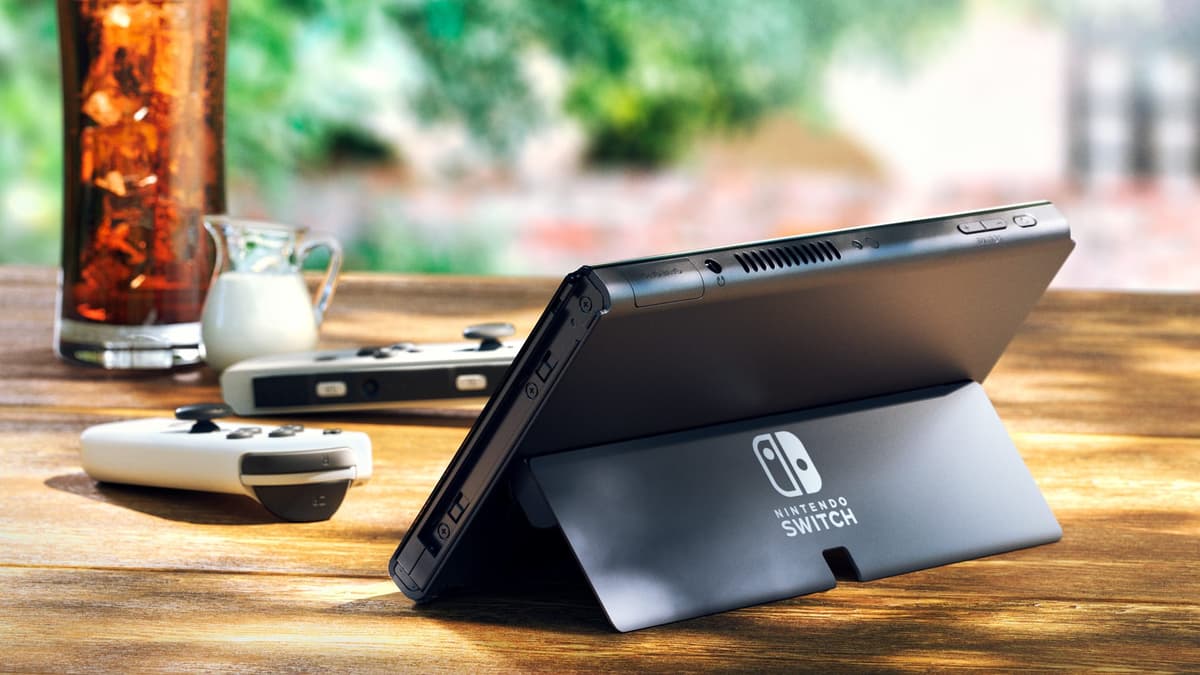
This one caught my eye because it’s not just another takedown-it’s Nintendo making an example. Ryan Daly, better known as “Homebrew Homie,” just settled with Nintendo for $2 million, surrendered the Modded Hardware URL, agreed to hand over his modding gear, and accepted a lifetime ban on modifying consoles. The settlement even calls out tools like the MIG device by name. That’s… thorough. And it’s a reminder that Nintendo’s anti-piracy playbook is getting sharper as the Switch era winds down and a successor looms.
Here’s what happened, without the courtroom fluff: Daly ran Modded Hardware, which sold modded Switch consoles and the tools to do it yourself. Nintendo warned him in March 2024 and, per the filings, there was an agreement on the table to stop. He didn’t. Nintendo filed suit in June. Daly then chose to fight without a lawyer (never a great call in federal IP cases), denied responsibility for the site’s activity, and even claimed Nintendo had “unclean hands”-a legal doctrine that basically says the plaintiff acted dishonestly. The court wasn’t buying it, and the published settlement lays out harsh terms.
The headline penalties: a $2 million payment to Nintendo, handing over the site URL, surrendering any tech that could violate the agreement, and a lifetime prohibition on modding Switch consoles. The order explicitly restricts his use of certain hardware—MIG tools get named—which shows how granular Nintendo is getting about the modding supply chain.
If you’ve followed Nintendo’s legal history, this result isn’t surprising—just loud. The company has a long record of going hard at anything that looks like facilitating piracy. Team Xecuter got dismantled; member Gary Bowser faced a massive judgment and prison time. In 2024, the Yuzu emulator creators settled for $2.4 million and shut down. Earlier sellers of Switch modchips faced permanent injunctions. The trend line is clear: if you’re selling the keys to the castle, Nintendo will find you—and they’re getting faster at it.
So why the extra heat now? We’re nearing the end of the Switch’s life cycle, which is when piracy usually spikes. Locking down the ecosystem before a new console debuts is smart business, and it’s classic Nintendo: close the existing cracks, then launch the next device with a tougher posture. Specifically calling out devices like MIG—hardware associated with cartridge cloning or facilitating backups—suggests Nintendo is targeting not just software exploits, but the physical tools that make mass sales of modded systems possible.
Let’s be real: there’s a world of difference between tinkering for homebrew and selling pre-modded consoles that can boot warez out of the box. The first is a gray area with legit use cases—fan translations, accessibility tweaks, preservation, homebrew development. The second is a bright neon target for any platform holder’s legal team. Daly’s operation lived on the wrong side of that line, and the outcome reflects it.
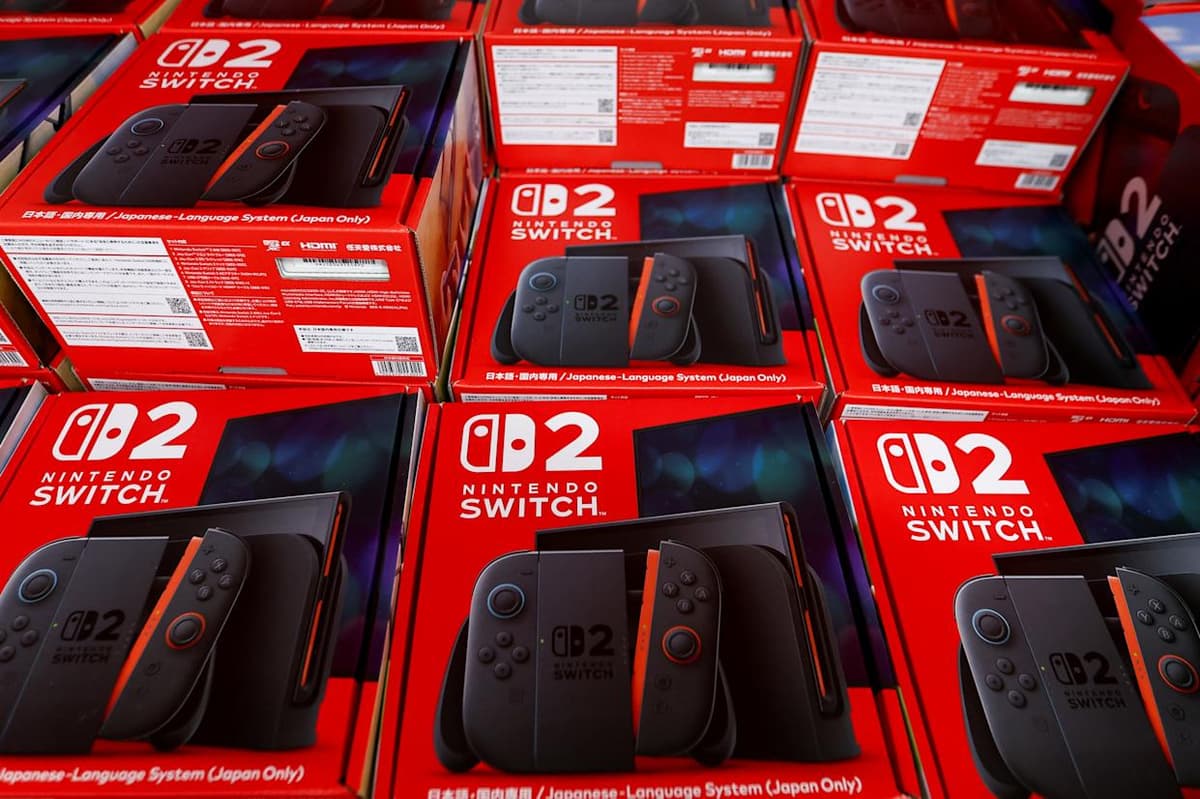
That said, the chilling effect is very real. These wins don’t just scare off commercial pirates; they spook hobbyists who want to repair Joy-Con drift, replace shells, or experiment with homebrew in private. Even if those activities aren’t what Nintendo is aiming at, a headline with “$2M” and “lifetime ban” convinces people to back away from anything that smells like modding.
If you’ve been eyeing a pre-modded Switch on some sketchy storefront—don’t. Aside from the legal risk, these devices are often loaded with questionable firmware, malware, or a ticking-ban if you ever connect online. If you tinker purely for homebrew, keep it private, don’t monetize, and understand that distributing keys, firmware, or commercial ROMs crosses legal lines instantly.
For the broader community, expect more of this. Nintendo will continue to stomp sellers, not just coders. If a Switch successor is around the corner, we’ll likely see reinforced hardware security and zero tolerance for businesses profiting off circumvention. Emulation itself isn’t illegal, but if an emulator depends on stolen keys or enables widespread piracy, history shows Nintendo won’t hesitate.
The part that stings here is how avoidable it was. Daly reportedly had a path to walk away in March. Ignoring that and then going pro se with a blanket denial was a boss fight on Ironman difficulty with no gear. The takeaway isn’t “never mod”—it’s “don’t commercialize circumvention, and don’t poke the IP bear.” Nintendo’s lawyers grind this stuff for a living.
“Homebrew Homie” settled with Nintendo for $2M, gave up the Modded Hardware URL and gear, and accepted a lifetime modding ban with tool-specific restrictions like MIG. The message is clear: selling modded Switches is a legal dead end—and Nintendo is tightening the screws ahead of its next hardware era.
Get access to exclusive strategies, hidden tips, and pro-level insights that we don't share publicly.
Ultimate Gaming Strategy Guide + Weekly Pro Tips