
Seven notices. One day. Four hundred and one GitHub repositories gone. Nintendo’s August 2026 sweep was designed to break the infrastructure around Switch emulation, not merely remove a few high-profile downloads.
The immediate casualty is Suyu, the ecosystem that grew around the remains of Yuzu after its 2024 collapse. Nintendo’s notices removed 311 Suyu-related repositories, including forks, mirrors, archives, and connected code projects. Skyline lost 29 repositories, MonoNX lost 17, and Yuzu-derived Android and Early Access fork clusters were caught in the same operation.
Table of Contents (5)
This was a fork-network takedown, not a cleanup job
GitHub hosts code; it also hosts history. Forks preserve abandoned work, document changes between versions, and give developers a starting point when the original repository vanishes. Nintendo targeted that entire continuity chain.
That is why the 401-repository figure matters more than the headline-friendly “400 emulators” phrasing. These were not 401 separate, fully active emulator projects. The sweep reached parent repositories and their surrounding networks: mirrors, archived copies, dormant branches, ports, and forks. Removing them in one coordinated action makes old links fail, obscures development lineage, and forces anyone looking for the code away from the most visible public host.
For players, the practical result is mundane but consequential: GitHub links that once led to a project page or source archive now lead to removal notices. That does not erase software from the internet. It does remove the most legible place to determine which build was current, who maintained it, and whether a download had any credible connection to the original project.

Nintendo is leaning on anti-circumvention, where the pressure is strongest
Nintendo’s complaint is broader than “someone uploaded our game.” The notices argue that Switch emulators circumvent the console’s technological protection measures and rely on unauthorized cryptographic keys, commonly called prod.keys, to decrypt protected game data at or immediately before runtime.
That framing matters because it shifts the target from an individual copyrighted game file to the distribution path for software Nintendo says is built around bypassing its access controls. A standard copyright dispute can focus on a specific work. An anti-circumvention claim gives Nintendo a route to challenge the tooling and the fork ecosystem surrounding it.
The company has been building toward this position since its 2024 case against Tropic Haze, the team behind Yuzu. That dispute ended in a $2.4 million settlement and Yuzu’s shutdown. Suyu became prominent because code and communities do not disappear simply because a flagship project does. This GitHub campaign addresses that predictable next step: successors, derivatives, and repositories preserving the old work.
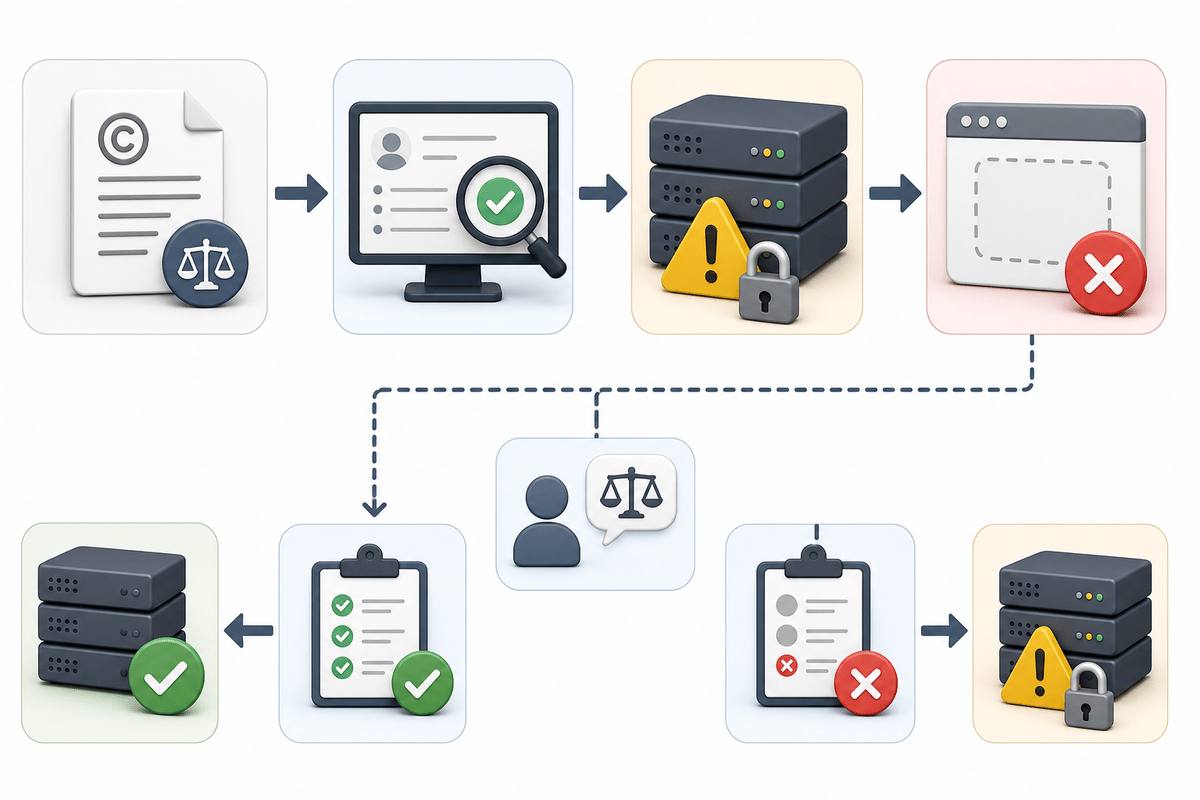
Nintendo has also pursued individual enforcement beyond repository hosts. A default judgment against streamer Jesse Keighin ordered $17,500 in payment. The message is consistent: Nintendo treats Switch piracy and the infrastructure it associates with it as one enforcement problem, whether the target is a streamer, a developer group, or a hosting platform.
The Android projects show this is not only about PC emulation
Skyline and Yuzu-related Android forks were included in the sweep. That detail punctures the comfortable assumption that Nintendo’s attention is fixed on powerful PC hardware running Switch games at higher resolutions or frame rates. Mobile-focused projects matter because phones create a different distribution path: lower barriers, wider reach, and an audience that may never touch a desktop emulator setup.
The notices included a Yuzu Android cluster with eight repositories and 21 forks tied to an Early Access build 4176. The named projects are only part of the picture; the full repository-by-repository list has not been established. The pattern is clear enough. Nintendo is treating connected codebases as a single ecosystem when they share the same emulation lineage.
The real risk for users now is the mirror economy
GitHub removal does not make a project impossible to find. It makes it harder to verify. That distinction is where ordinary users get burned.
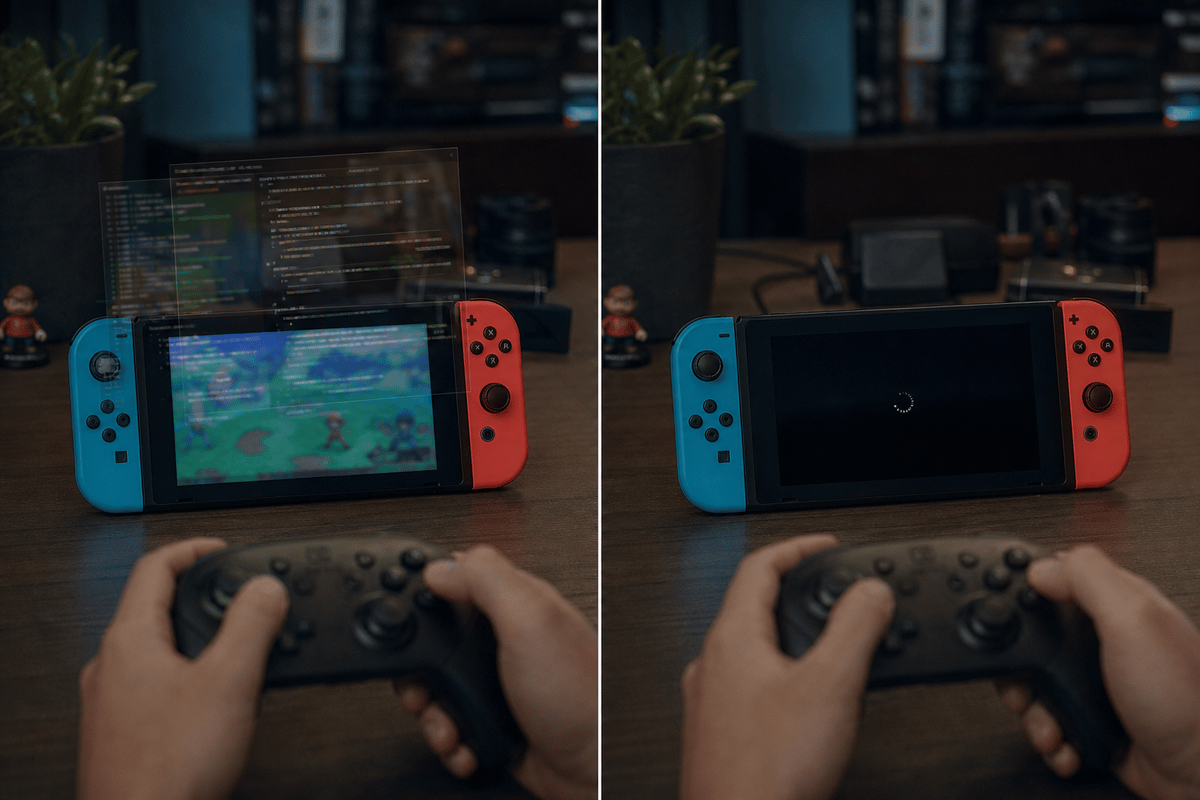
Expect old project names to reappear in archive sites, file hosts, cloned repositories, chat servers, and search results built to catch people following broken links. Some may contain old code. Some may be harmless dead ends. Some will use familiar names to distribute modified builds, bundled installers, credential stealers, or malware. A repository called Suyu, Skyline, or Yuzu is not proof that its files are authentic.
Do not treat a “recovered” repository as legitimate because it has a recognizable logo, a large download counter, or a convenient all-in-one package. Maintainer identity, commit history, and reproducible provenance are the minimum checks — and GitHub’s fork graph was one of the tools that made those checks easier. Nintendo’s sweep has made that work materially worse.
What to watch after the August 17 sweep
- Counter-notices or restorations: It remains unconfirmed whether any of the 401 repositories will return through GitHub’s review process.
- Replacement fork clusters: New repositories with identical names will test whether Nintendo follows the code lineage beyond the original GitHub network.
- More host-level enforcement: GitHub was the immediate target, but the strategy only becomes durable if it spreads to the platforms where replacement archives gain traction.
- Whether Nintendo names another flagship target: The 311 Suyu removals show the company is willing to dismantle a successor ecosystem at scale. The next enforcement action will show whether this was a surgical campaign or a standing policy.
For now, the Switch emulation scene has lost a major public index of its own code and history. Nintendo did not solve the technical reality of emulation in a day. It made maintaining, verifying, and safely distributing that work much more difficult — and that is the point of removing 401 repositories instead of one.
FinalBoss // Gear
Level up your setup
01Best-selling Switch 2 gameson Amazon→02Switch 2 accessorieson Amazon→038BitDo controllerson Amazon→04Discounted game keyson Kinguin→Affiliate links · As an Amazon Associate, FinalBoss earns from qualifying purchases.
Want to Level Up Your Gaming?
Get access to exclusive strategies, hidden tips, and pro-level insights that we don't share publicly.
Ultimate Gaming Strategy Guide + Weekly Pro Tips