
Nintendo’s “Summon-and-Fight” Patent Lands Mid-Palworld Lawsuit — Overreach or Strategy?
Game intel
Palworld
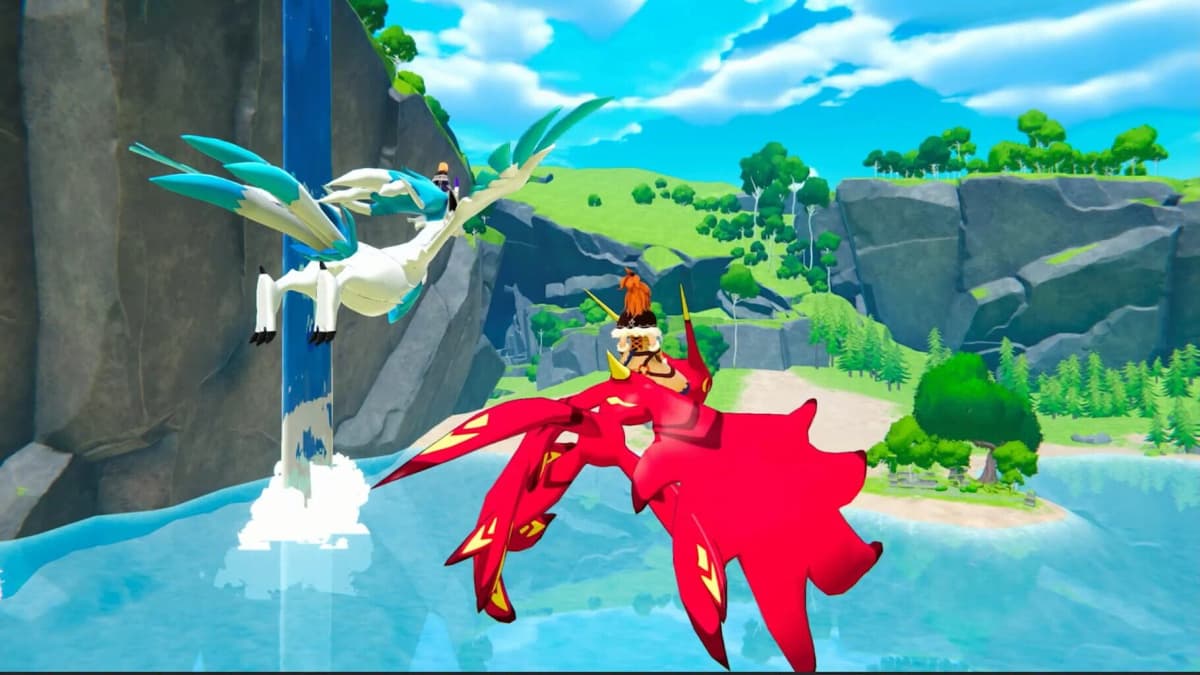
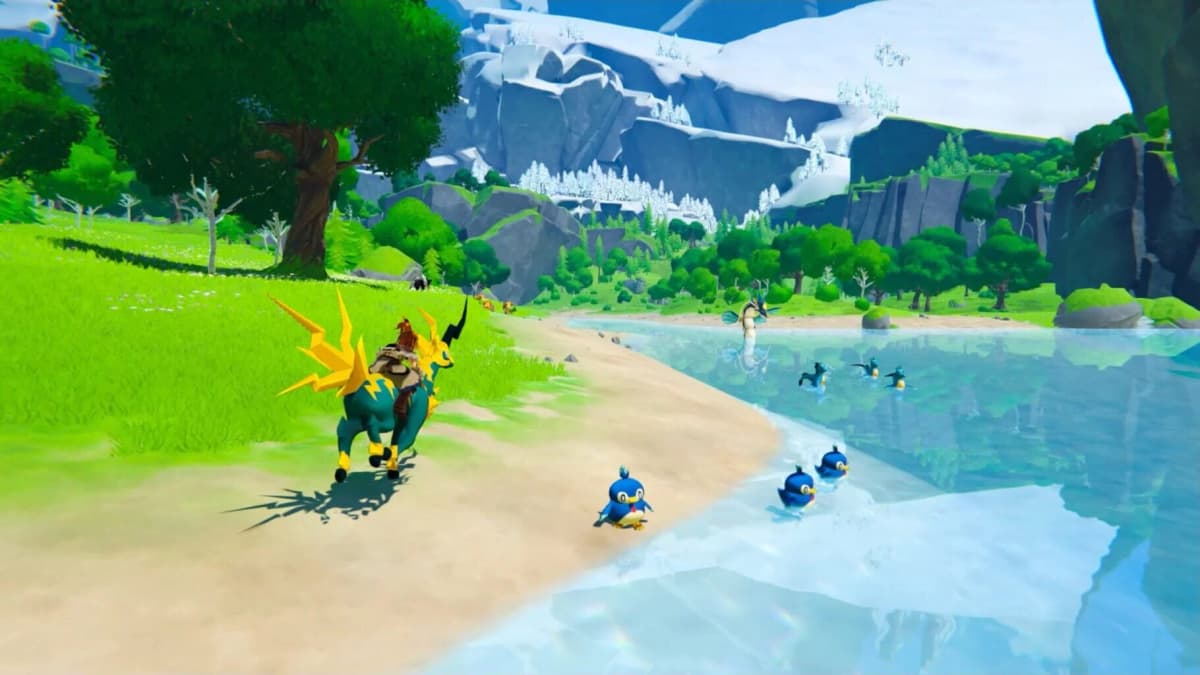
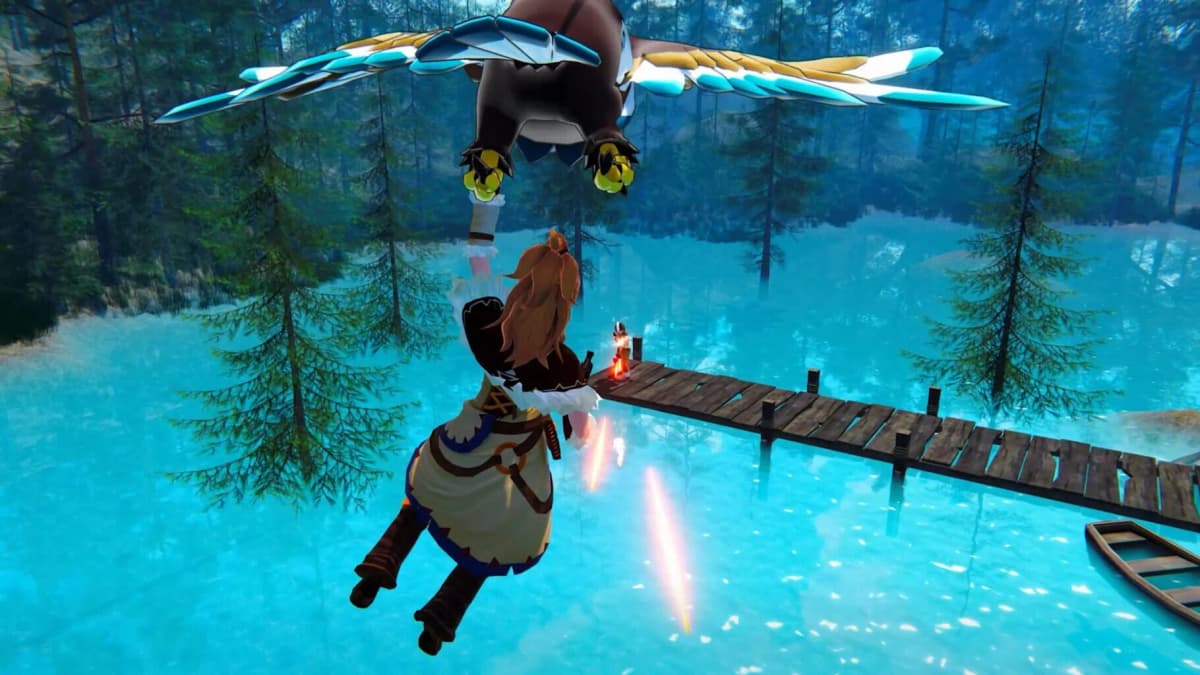
Palworld is a multiplayer, open-world survival crafting game where you can befriend and collect mysterious creatures called "Pal" in a vast world! Make your Pa…
Why This Caught My Eye
I’ve played Pokémon since the link-cable days, so the idea that “summon a character and let it fight” could be owned by a single company instantly set off alarms. Nintendo reportedly had a U.S. patent allowed that covers exactly that core loop-right as it’s suing Pocket Pair over Palworld. It’s a flex, sure. But it also pokes at an old industry wound: game-mechanics patents that are so broad they risk chilling creativity.
Key Takeaways
- This patent’s scope sounds sweeping, but prior art (Dragon Quest Monsters, Shin Megami Tensei, Persona, Digimon, even Elden Ring summons) is a massive hurdle.
- Legal experts are blasting it: “Nintendo should never have received” such a patent, and “these claims were in no way allowable.”
- The timing screams strategy-extra leverage in the Palworld case more than a plan to police the entire genre.
- Even if it’s weak in court, the threat alone can pressure smaller studios and stifle experimentation.
Breaking Down the Announcement
According to IP watchers, the U.S. Patent and Trademark Office allowed a Nintendo patent covering the idea of summoning a character and letting it battle-basically the Pokémon loop. That doesn’t mean it’s bulletproof; it just means an examiner found it novel enough on paper to pass. Critics pounced immediately. IP commentator Florian Mueller said, “Nintendo should never have received a patent for ‘summon a character and let it fight’.” Patent attorney Kirk Sigmon told reporters the claims were “in no way allowable.” Games Fray called it “a fundamental threat to creativity and innovation in the video game industry.”
It arrives while Nintendo is suing Pocket Pair over Palworld’s alleged Pokémon plagiarism. The optics are hard to miss: get another tool in the legal belt, then point it at your current target. Whether it stands up in court is a separate question.
The Prior Art Problem: This Isn’t New
Don McGowan, former general counsel for The Pokémon Company, downplayed the patent’s bite, arguing courts would likely ignore it because it’s easy to show the mechanic existed long before Pokémon. He points to Dragon Quest Monsters and Shin Megami Tensei—both 90s-era series where you recruit or summon creatures to fight. Add Persona, Digimon games, and even modern examples like Elden Ring’s Spirit Ashes, and you’ve got a mountain of prior art. In patent land, that’s deadly.
Also, U.S. law frowns on abstract ideas dressed up for a generic computer (the “Alice” line of cases). Some mechanics patents survive by anchoring to very specific technical implementations. If Nintendo’s language reads like “do Pokémon but in software,” expect challenges: reexam, inter partes review, or a courtroom grilling. The broad vibe here is exactly what usually collapses under scrutiny.
We’ve Been Here Before (And It Was Messy)
Game-mechanics patents aren’t new, and they’ve rarely been good for players. Bandai Namco’s old “loading-screen minigames” patent froze a cool QoL idea across the industry until it expired in 2015. Warner Bros.’ Nemesis-system patent for Shadow of Mordor spooked devs from iterating on one of the decade’s smartest designs. Sega’s “Crazy Taxi arrow” fight with The Simpsons: Road Rage? Another example of how these tools get used to bludgeon competitors, not advance design.
None of those killed creativity outright, but they chilled it. Studios—especially indies—steer clear of anything that might trip a lawsuit. That’s the real risk here. Even a fragile patent can be a cudgel if you’re the one holding the war chest.
Want to Level Up Your Gaming?
Get access to exclusive strategies, hidden tips, and pro-level insights that we don't share publicly.
Ultimate Gaming Strategy Guide + Weekly Pro Tips
What This Changes (For Now)
For devs: don’t panic. This looks more like litigation leverage than a dawn-of-time claim on monster-battler DNA. Prior art is plentiful, and any broad claim will get sliced up on challenge. But do expect extra legal caution around “summon-and-fight” loops—especially from smaller teams without in-house counsel. If you’re building a party/companion system, document your influences and how your implementation differs; specificity matters.
For players: this won’t suddenly delete persona-style or creature-battler games from storefronts. The bigger, immediate impact is behind the scenes—publishers becoming a bit more conservative, lawyers redlining design docs, and the Palworld case getting a new talking point. If anything, it underscores how high-stakes and territorial the monster-collecting space has become post-Palworld’s explosive launch.
Why Nintendo Made This Move
Simple: pressure. When you’re in a plagiarism fight, you bring every tool. A granted (or allowed) patent—even if it’s shaky—can juice settlement talks or broaden the narrative from “art and vibe” to “protected mechanics.” It doesn’t mean Nintendo plans to police RPG summons across the board; it means Nintendo wants every edge against Pocket Pair. The question is whether a judge lets this patent anywhere near a verdict.
TL;DR
Nintendo’s “summon-and-fight” patent is almost certainly overbroad and vulnerable to prior art, but it’s savvy timing in the Palworld legal brawl. Don’t expect it to reshape game design overnight—do expect it to make lawyers busier and devs warier while the courts sort it out.