
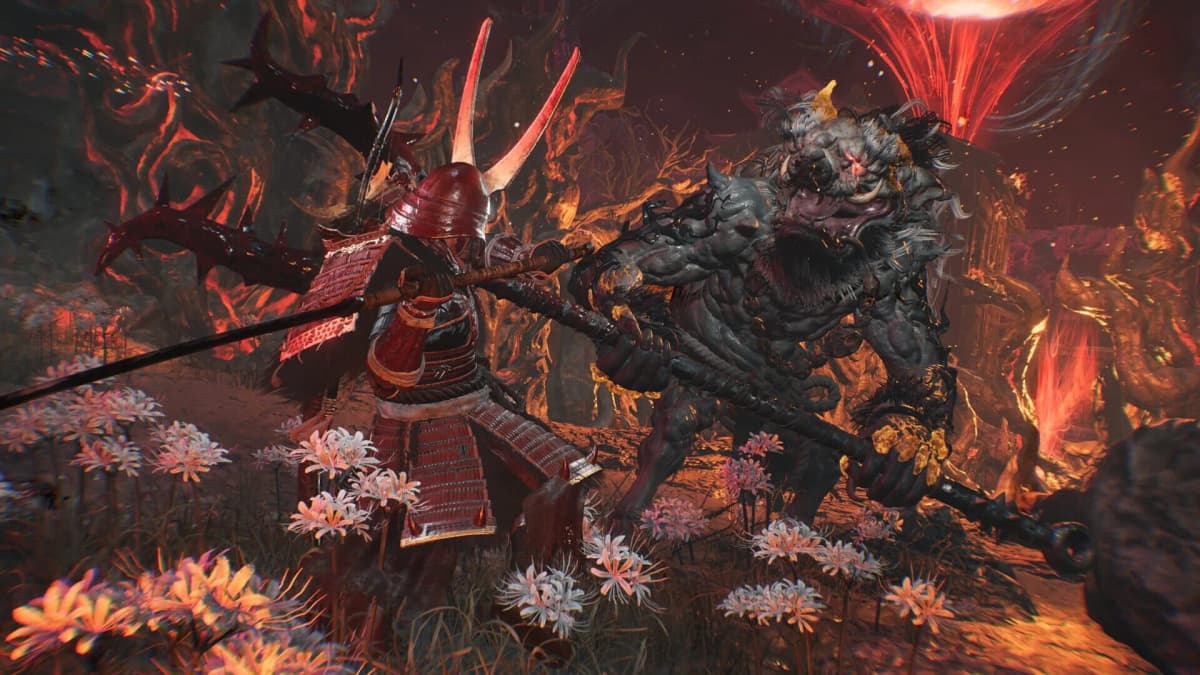
Nioh 3 dated for Feb 6, 2026 on PS5 — faster ninja focus, semi‑open world, real questions
Game intel
Nioh 3
In the latest game in the dark samurai action RPG series "Nioh," you will need to use both Samurai and Ninja combat styles in your battles against formidable y…
Why this reveal actually matters
Nioh 3 landing on February 6, 2026, exclusively on PS5, caught my attention for two reasons: Team Ninja is pivoting away from the Yokai form that defined Nioh 2, and they’re opening up the level design with vertical traversal and semi-open zones. That’s a big swing for a series that thrived on tight, punishing mission design and surgical combat depth. I’m excited-cautiously-because when Team Ninja iterates smartly (think Nioh to Nioh 2), the results can be special. When they chase scale, it can get messy (Rise of the Ronin, I’m looking at you).
Key takeaways
- Release date: February 6, 2026, PS5 exclusive at launch; preorders open since September 2025.
- Dual combat identity: instant switching between heavy Samurai fundamentals and a faster, stealth-leaning Ninja style.
- Semi-open zones with real verticality-jumping, climbing, and multi-level encounters—not just wider corridors.
- Yokai form appears replaced by the Ninja shift; the big question is whether depth survives the swap.
Breaking down the announcement
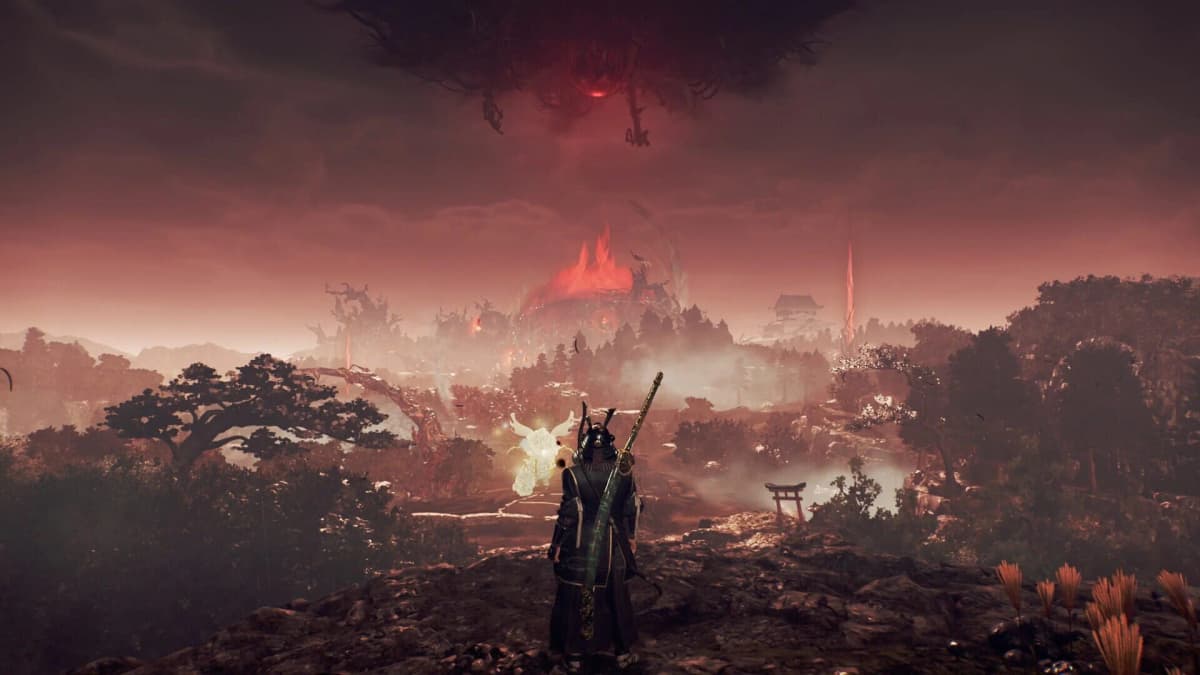
Team Ninja is positioning Nioh 3 as a PS5-first showcase with faster loads and a higher fidelity presentation, but the real news is how you play it. The TGS 2025 demo showed a snowy, multi-layered area that’s a far cry from the series’ classic mission boxes. Sanctuaries still anchor progression, Kodama spirits still reward exploration, and the Dark Realm returns to lock down enemy outposts until you purify them. But the twist is vertical: jump gaps between platforms, scale cliffs, and attack from above. It’s not just cosmetic geometry; it changes engagement angles and how you plan fights.
I like that they’re keeping the series DNA—Ki management, punishing enemies, and that “one mistake, pay the price” tempo—while adding tools that invite more creative routing. The risk? Bigger spaces can dilute encounter density and turn exploration into busywork. The demo’s “break shadow walls to unlock guardian powers” loop sounds cool on paper; it needs to be meaningful, not another checkbox objective.
Samurai vs. Ninja: the real shake-up
The boldest change is the dual-style combat. With a tap (mapped to R2 in the demo), you flip identities: Samurai favors heavy weapons, firm defense, and big commitments; Ninja is faster, lighter, with evasive and stealth tools. Builds can lean into one, but the promise is fluid hybrid play—switch mid-combo to extend strings, reposition, or alter stamina pressure on enemies.
In Nioh 2, Yokai Shift and Burst Counters gave you explosive windows and defensive tools that defined high-level play. Here, the messaging suggests Ninja replaces that supernatural pivot with speed and agility. I’m into the intent—grounded clarity over spectral spectacle—but balance matters. If Ninja becomes a get-out-of-jail free card via animation cancels or if Samurai can’t keep up with enemy aggression, the meta collapses. Also: are classic stances (high, mid, low) still present, and how do Ki Pulse, parries, or deflects interact with both styles? Team Ninja nailed the feel of risk-reward with Ki Pulse; it needs to remain central, not sidelined by a simple speed toggle.
On the upside, this could deepen buildcraft. Imagine katanas that gain guard breaks in Samurai then convert to bleeding dash slashes in Ninja, or kusarigama setups that trap from range and swap to Ninja for finishers. If set bonuses and guardian spirit passives still stack in interesting ways, there’s huge potential.
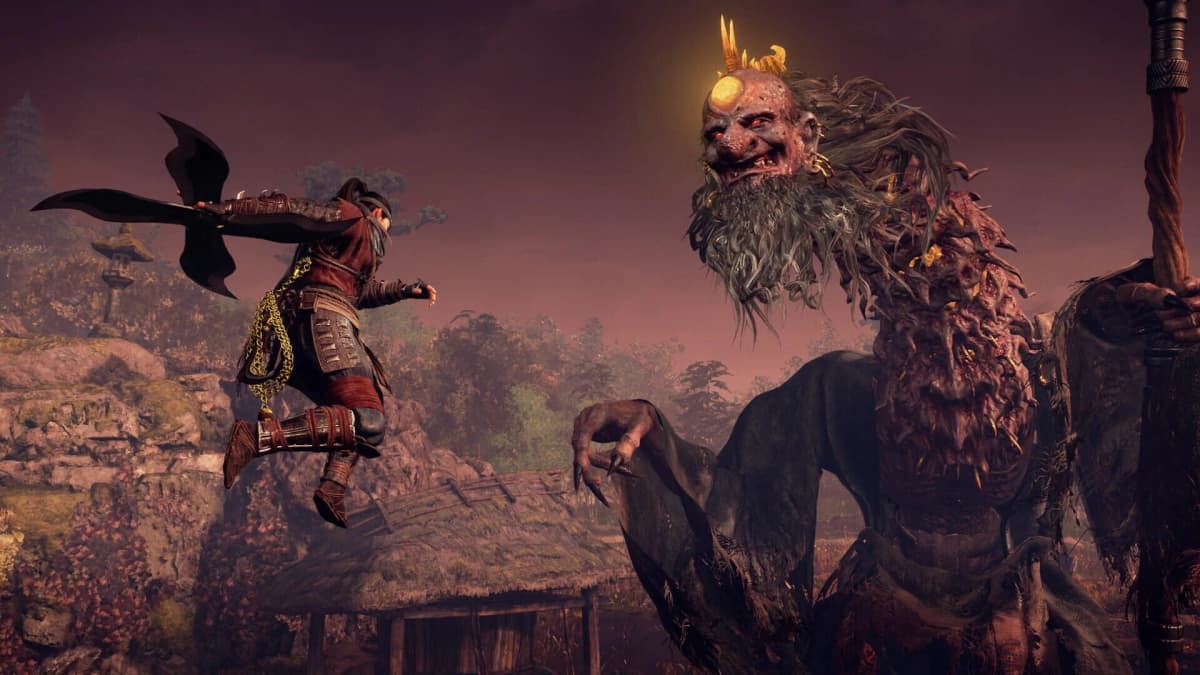
Semi-open and vertical: smart evolution or map bloat?
The snowy demo zone featured floating islets, cliff paths, and layered outposts sealed by the Dark Realm. That’s promising for encounter variety—archers on high ledges, patrols below, minibosses guarding narrow passes. Vertical spaces can make line-of-sight and spacing matter in a way flat arenas don’t. If stealth is viable thanks to Ninja, we might finally get meaningful infiltration routes instead of “run past everything and hope.”
But open space is a double-edged katana. Camera control was already a friction point in tight Nioh arenas; multi-level fights can get chaotic fast. Platforming tolerance will also matter—precision jumps in a game tuned for animation-weighted combat can be maddening if the margin for error is thin. The design needs to reward observation and planning, not punish with cheap falls.
Want to Level Up Your Gaming?
Get access to exclusive strategies, hidden tips, and pro-level insights that we don't share publicly.
Ultimate Gaming Strategy Guide + Weekly Pro Tips
Context: Team Ninja’s recent track record and PS5 exclusivity
Team Ninja has been busy: Wo Long in 2023 pushed a parry-first identity that split fans, and Rise of the Ronin in 2024 proved that open-world aspirations can dilute their razor-sharp combat focus. Nioh 3 reads like a synthesis—depth-first action with selective openness—if they keep the scope disciplined.
PS5 exclusivity at launch isn’t shocking. Historically, Nioh entries hit PlayStation first and found their way to PC later. Expect DualSense haptics and triggers to sell the “feel” of clashes and archery, plus a 60fps-focused performance mode. If they try for a high-fidelity mode above 60, I’ll be pleasantly surprised—but consistency beats pixels in a game this demanding.
What players should watch before launch
- Combat fundamentals: Are Ki Pulse, stance nuance, and punish windows intact across both styles?
- Boss design: Do encounters leverage verticality without devolving into camera fights?
- Loot sanity: Nioh’s loot treadmill needs smarter filters, auto-dismantle, and clearer affix tiers.
- Co-op details: Nioh’s co-op rules were fiddly; clarity on summoning, scaling, and rewards is key.
- Progression clarity: Guardian spirits, set bonuses, and Ninja tech should interlock without meta traps.
- Performance: A locked 60fps in the busiest arenas is non-negotiable; input latency must be razor-thin.
TL;DR
Nioh 3 doubles down on speed and flexibility with a Samurai/Ninja switch and opens its arenas vertically. That could be the smartest evolution the series has made—if Team Ninja keeps the combat depth and avoids open-world bloat. February 6, 2026 can’t come soon enough, but I’m waiting to see the finer combat systems and boss design before declaring victory.