
Game intel
Nioh 3
In the latest game in the dark samurai action RPG series "Nioh," you will need to use both Samurai and Ninja combat styles in your battles against formidable y…
IGN dedicating a full month to Nioh 3 isn’t just marketing noise-it’s a statement that Team Ninja wants to redefine its own formula. The latest extended gameplay, centered on a multi-phase duel with Takeda Shingen (the Tiger of Kai), highlights a sharper focus on agility and reactive defense. If you bounced off Nioh 1 or 2 because they felt like stamina math exams with yokai interruptions, Nioh 3 might be aiming to win you over without alienating the masochists who lived in the dojo.
Team Ninja’s combat DNA is intact: you’re still dancing with stamina (Ki), baiting openings, and cashing out on mistakes. The fresh bits are how you get those openings. The new Deflect mechanic rewards razor timing to turn enemy momentum against them—think Sekiro’s posture pressure fused with Nioh’s risk-reward. Used well, it creates safe windows for heavy punishes or stance swaps without emptying your Ki bar.
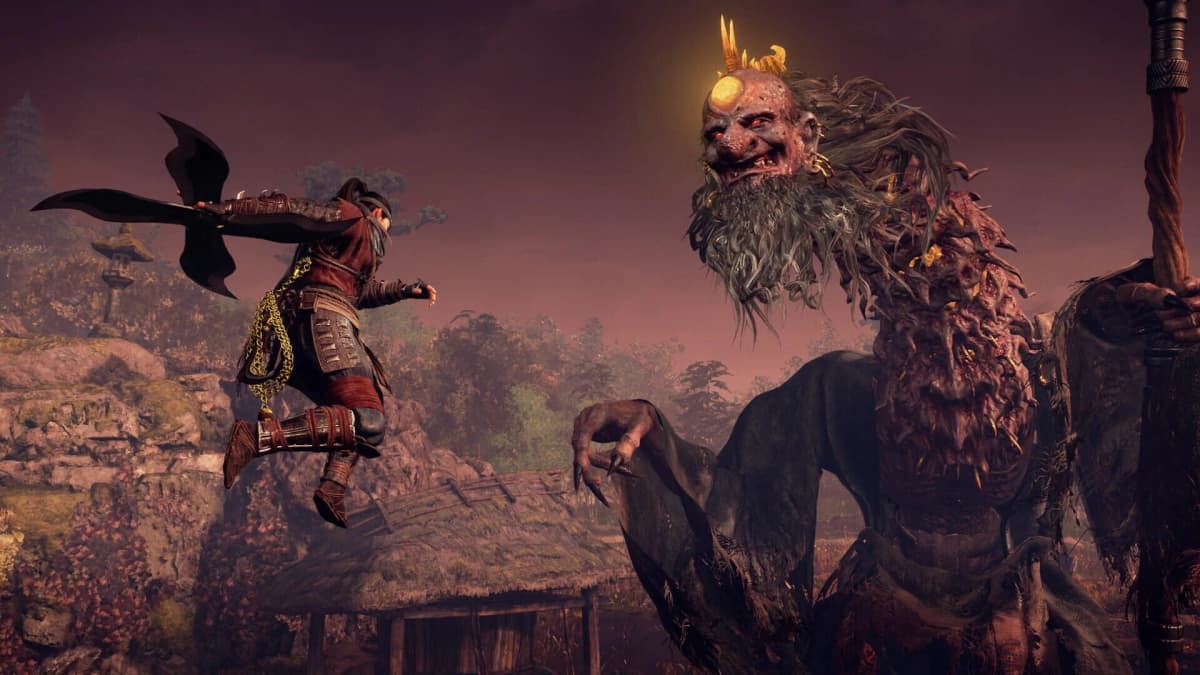
The big identity play is the dual-style system. Samurai mode feels like the old reliable—guard, counter, commit to big hits. Ninja mode is all footwork, aerials, and opportunism, with techniques like Mist (a clone-esque after-image) and Evade enabling slippery repositioning. The magic is the instant switch between them mid-string. It’s less “pick a build, live with it” and more “flow-state combat” where you pivot from a deflect punish into a ninja hop and back to a samurai finisher. If Team Ninja nails input buffering and animation cancel windows, speedrunners are going to tear this apart—in a good way.
Arts Proficiency sounds like deeper mastery for martial skills rather than yet another currency bloat. Combined with returning spirit guardians—big burst tools to break momentum or save a bad sequence—it suggests fights will hinge on timing your power spikes, not just stacking damage numbers.
There’s talk of “more open” exploration, but let’s keep it real: Nioh’s mission-first structure is core to its pacing. Team Ninja already tried a fully open structure with Rise of the Ronin, and while its freedom was refreshing, it diluted encounter density. If Nioh 3 is going broader, I’m expecting larger, layered combat spaces with side paths and mini-boss pockets—more interconnected zones than a map full of errands. That’s the smart compromise: keep the crisp boss-rush energy while giving buildcraft players reasons to deviate off the critical path for rare gear and upgrade materials.
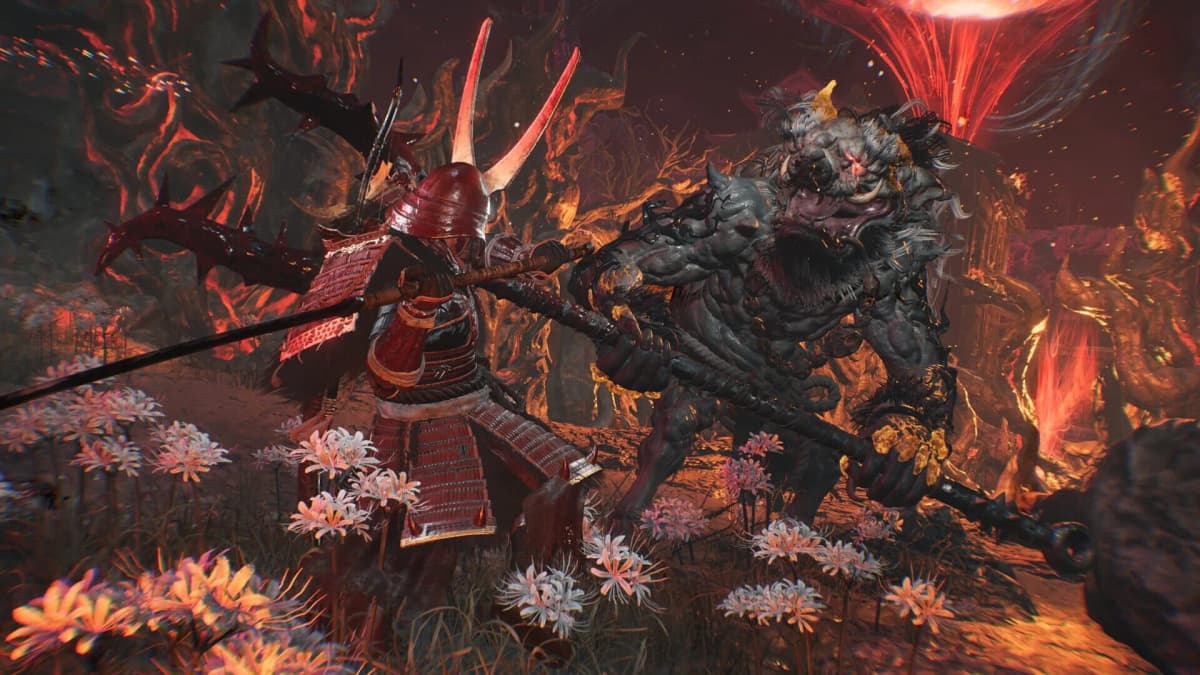
Takeda’s duel shows the new combat language clearly. Wide cones and sweeping AOE slashes telegraph cleanly, daring a Deflect or a last-second Evade. The phases escalate from controlled aggression to outright rage, forcing a mid-fight rethink—this is where swapping to Ninja to bait whiffs, then snapping back to Samurai for a heavy punish, seems to be the intended loop. The roughly eight-minute showcase doesn’t scream sponge; it screams “learn the beat.” If the rest of the bosses follow suit, Nioh 3 might finally bridge the gap between Nioh’s hyper-systemic complexity and the clarity of a FromSoftware duel.
Team Ninja’s PC history is mixed. Nioh 2’s Complete Edition turned out great; Wo Long launched choppy on some rigs before stabilizing. With a simultaneous PS5/PC release on the horizon, the big asks are obvious: stable frame pacing at 60+, reasonable shader compile times, and mouse-keyboard parity that doesn’t feel like homework. If you play on PC, wait for day-one impressions before you lock in.
On difficulty, expect the classic Team Ninja ethos: not “easy,” but flexible. The dual-style system is a stealth accessibility feature—players who can’t stick tight parry windows can lean into Ninja evasiveness, while disciples of the blade can live on Deflects and Samurai punishes. The meta will likely tilt toward hybrid loadouts—lighter armor to keep Ninja mobility with a stat line that still lets Samurai hits chunk posture (or its Nioh equivalent) after a clean deflect. If kunai-and-bombs builds return with teeth, we may see the first Nioh where light gear isn’t just a style choice but the optimal play in a lot of boss scripts.
Between Sekiro setting the gold standard for parry-first combat and Lies of P proving there’s an appetite for technical duels, Nioh 3’s shift is timely. Team Ninja has always done crunchy systems better than anyone—stances, Ki Pulse, burst counters—but the series needed a clearer rhythm. If this IGN-first look is representative, Nioh 3 could be the studio’s cleanest, most expressive combat sandbox yet. The only red flags are the usual ones: systems bloat, balance creep, and a PC port that needs more love than a day-one patch can give.
Nioh 3 doubles down on speed and precision with a true Deflect and a slick Samurai/Ninja swap system, showcased in a nasty Takeda Shingen duel. If Team Ninja keeps exploration focused and nails the PC version, this could be the studio’s best blend of depth and readability yet—hardcore enough for veterans, flexible enough for newcomers who prefer agility over armor.
Get access to exclusive strategies, hidden tips, and pro-level insights that we don't share publicly.
Ultimate Gaming Strategy Guide + Weekly Pro Tips