

No Straight Roads 2 First Look: Smarter Combat, Wider World, Jazz in the Mix
Game intel
No Straight Roads 2
Metronomik and Shueisha Games are thrilled to announce NSR2 – the explosive sequel to the hit action-music adventure NO STRAIGHT ROADS – coming to Steam in 202…
No Straight Roads 2: A Hands-off Preview That Actually Hits a New Beat
No Straight Roads was one of those 2020 indie oddballs that stuck with me. Janky in spots, sure, but the boss encounters were stylish, the soundtrack slapped, and the personality was unmistakable. So when Metronomik rolled into Gamescom 2025 with a first look at No Straight Roads 2, my ears perked up. We didn’t see much raw gameplay-this was clearly early-but what was shown points to a sequel that’s not just riding nostalgia. It’s targeting the weak spots from the first game while doubling down on what made it special.
Key Takeaways
- Visual upgrade is obvious: more detailed characters, richer environments, and reactive sets that move to the music.
- Combat revamp adds dodge and parry timing, on-the-fly character swapping, and active teammates that actually fight.
- Scope expands beyond Vinyl City, with Malaysian cultural influences and new genres-yes, jazz joins the playlist.
- Mayday and Zuke return alongside new playable musicians, including a synth-wielding ranged fighter.
- Rhythm matters, but missing the beat won’t punish you as hard as Hi-Fi Rush—accessibility over rigidity.
Breaking Down What We Saw
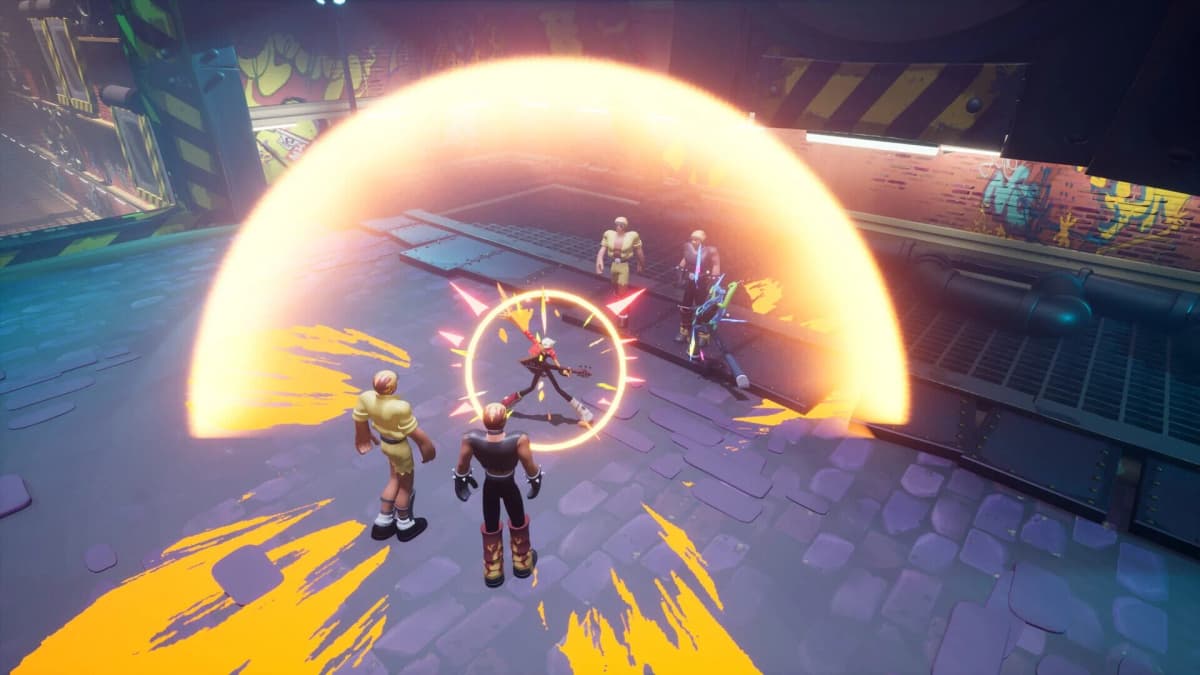
Even from a limited slice, the visual leap is real. Character models look sharper, and the environments aren’t just prettier—they’re more alive. Props pulse, architecture shifts, and the world snaps to the tempo in ways that feel more intentional than the first game’s sometimes loose rhythm gimmicks. The devs showed small touches—finger snaps, foot taps—that give your band real stage presence. It’s the kind of flair you remember when the credits roll.
The headline change, though, is combat. No Straight Roads 2 introduces a system with proper dodge and parry windows and makes your off-screen party members participate instead of idling. You can swap your active character at any time, which immediately suggests interesting layering: crowd control with a ranged synth player, close-in pressure with Mayday’s heavy swings, or a rhythm of parries that set up big team moments. This is the kind of mechanical clarity the original needed, where style sometimes outpaced precision.
Rhythm Rules—But Doesn’t Dictate
We talked about Hi-Fi Rush because it’s the obvious comparison, and the team’s stance is smart: timing to the beat should reward you, not lock you out. Hi-Fi Rush’s stricter tempo demands work brilliantly for that game, but No Straight Roads always leaned more into musical identity and genre mash-ups than rhythm-game rigidity. NSR2 keeps that philosophy. Syncing actions to the rhythm gives you bonuses, but the game won’t wag its finger every time you hit a dodge a hair late. If you bounced off the first game because it felt like a vibe-first action game, this tighter foundation might be the fix without turning it into a metronome simulator.
Beyond Vinyl City: Culture and Genres Expand
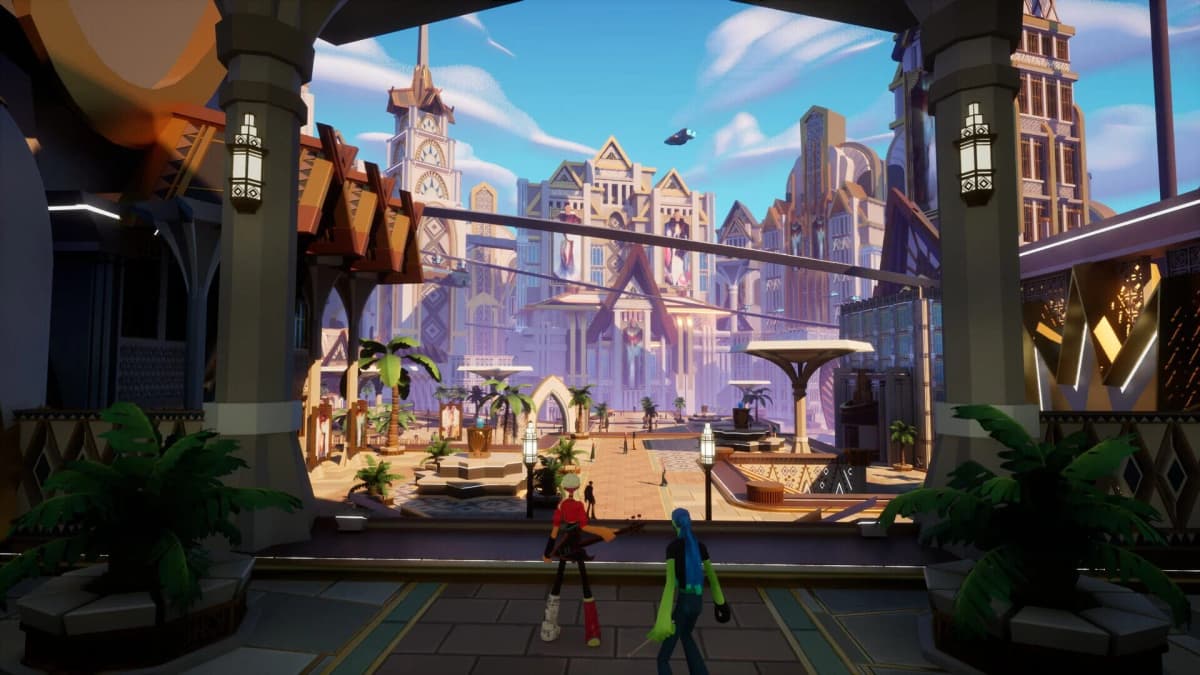
The original’s rock-versus-EDM setup made for great boss identities, but the world felt small. This time Metronomik wants to stretch both the map and the music. Expect to venture outside Vinyl City and see Malaysian cultural influences woven into the architecture and art direction—something the studio has always hinted at, but now seems ready to foreground. Musically, jazz joins the lineup (previewed in a boss encounter), which is a tasteful call. Jazz improvisation and call-and-response could translate into reactive combat patterns and more expressive player timing. If the level designers lean into that interplay, it could give fights a distinct “jam session” feel that’s different from the first game’s set-piece duels.
The Gamer’s Perspective: Promise With a Few Open Questions
This caught my attention because it’s exactly where the first game stumbled. No Straight Roads had big ideas but sometimes clumsy execution—camera wobble, unclear telegraphs, and encounters that looked cooler than they felt. The addition of parry/dodge fundamentals and AI teammates that actually pull their weight sounds like the right fix. Real-time character swapping adds tactical layers that could keep boss fights fresh longer than a single-move-set approach.
But let’s be honest: this was a hands-off demo. The team showed ambition more than proof. I want to see how readable enemy attacks are with all that visual flair on screen. I want to feel the timing windows, not just hear about them. If the world is bigger, how do they keep the pacing tight? The original clicked because every boss was an event; a wider map can’t come at the cost of focused, memorable encounters. And while the team is emphasizing accessibility, there needs to be a high skill ceiling for those of us who live for perfect-parry fights.
Why This Matters Now
Rhythm-action has quietly had a moment—Hi-Fi Rush surprised everyone, Metal: Hellsinger carved out its own lane, and even indie bosses like Ultrakill flirt with music-driven cadence. No Straight Roads 2 walks back into a genre that’s more competitive than in 2020. That’s good news for us. It means Metronomik can’t coast on style; they have to ship mechanics that sing. The early signs—a real combat engine, broader musical palette, and cultural specificity—suggest they know it.
What Gamers Need to Know (So Far)
- Combat aims for readability and responsiveness with dodge/parry and active teammates.
- Swapping between multiple playable musicians should create build variety without losing the series’ personality.
- The soundtrack broadens beyond EDM vs rock, with jazz and Malaysian influences shaping both audio and visuals.
- Expect a larger world than Vinyl City, but core boss-centric moments need to remain the star.
- Hands-off preview only; key details like platforms and release timing weren’t the focus.
TL;DR
No Straight Roads 2 looks like a smarter, more confident sequel: sharper visuals, meaningful combat upgrades, and a broader musical canvas. I’m excited, but I want to feel those parry frames and see if the expanded scope still delivers unforgettable boss showdowns. If Metronomik nails that balance, this follow-up could turn a cult favorite into a must-play.