
Table of Contents (8)
Noble Legacy’s AI-NPC Promise Caught My Eye-But Can It Build a Real Kingdom?
Another medieval builder in Early Access isn’t news on its own-Manor Lords, Foundation, and Going Medieval already eat a ton of our time. What made me stop and pay attention to Noble Legacy is its angle: a third-person, boots-on-the-ground city builder that says you can talk to your villagers in real time through an “agentic” AI system. That’s a bold hook. The game is out now in Steam Early Access at a launch discount of $22.49 (10% off), and Studio 369 is pitching a hybrid of classic town sim management and hands-on role-play.
Key Takeaways
- Third-person + top-down toggle could make building and management more personal-if controls and camera don’t fight you.
- AI-driven villager conversations are optional and ambitious; fun if they tie into systems, noisy if they don’t.
- Workshop prefabs at launch is a legit win for builders who love sharing and speed-building.
- It’s Early Access: romance, diplomacy, raids, and a fishing minigame are on the roadmap—not in the box yet.
Breaking Down the Announcement
Noble Legacy is a third-person medieval city sandbox where you construct settlements, recruit villagers with common and rare skills, assign jobs, and manage resources across farms, forests, and waterways. You can swap between a strategic top-down view for macro decisions and a third-person perspective to walk your streets, check on villagers, and place buildings up close. At launch, there’s a campaign tutorial set in Greenwood with your well-meaning (possibly annoying) Uncle Edward, plus an open-world Kingdom mode for freeform play.
Big feature flags include Steam Workshop prefabs—save and share buildings and drop in community creations to accelerate your town planning—and an AI villagers simulation that runs autonomously. The headline twist is a “Deep Conversation Agentic AI System,” inspired by old-school MUD role-play, that lets you talk to villagers in natural language, issue orders, stir drama, and build loyalty. The devs say it integrates OpenAI, which explains the unscripted conversations claim. German language support is in at launch, with more languages planned. On the content roadmap: hunters and wildlife, expanded husbandry, a fishing minigame, romance and marriage, diplomacy, raids, and more.
The Real Story Behind AI Villagers
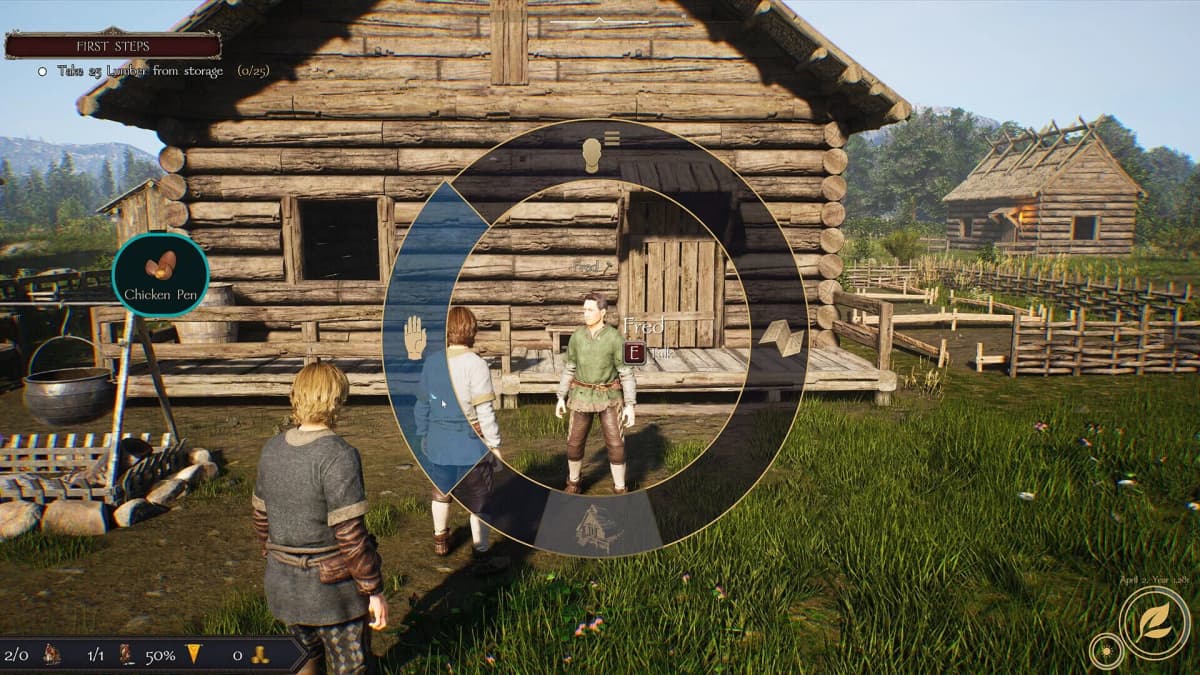
We’ve seen a wave of AI NPC talk this year, from indie experiments to big-publisher prototypes. The novelty lands the first time you ask a villager how their day went and they actually answer like a person. The trick is translating that into gameplay that matters. Noble Legacy hints at loyalty, drama, and issuing orders via conversation. If those chats plug into tangible systems—like a disgruntled blacksmith lowering output, or a charismatic speech boosting festival attendance—this could be more than a parlor trick. If it’s just flavor text with occasional fetch quests, it’ll fade fast.
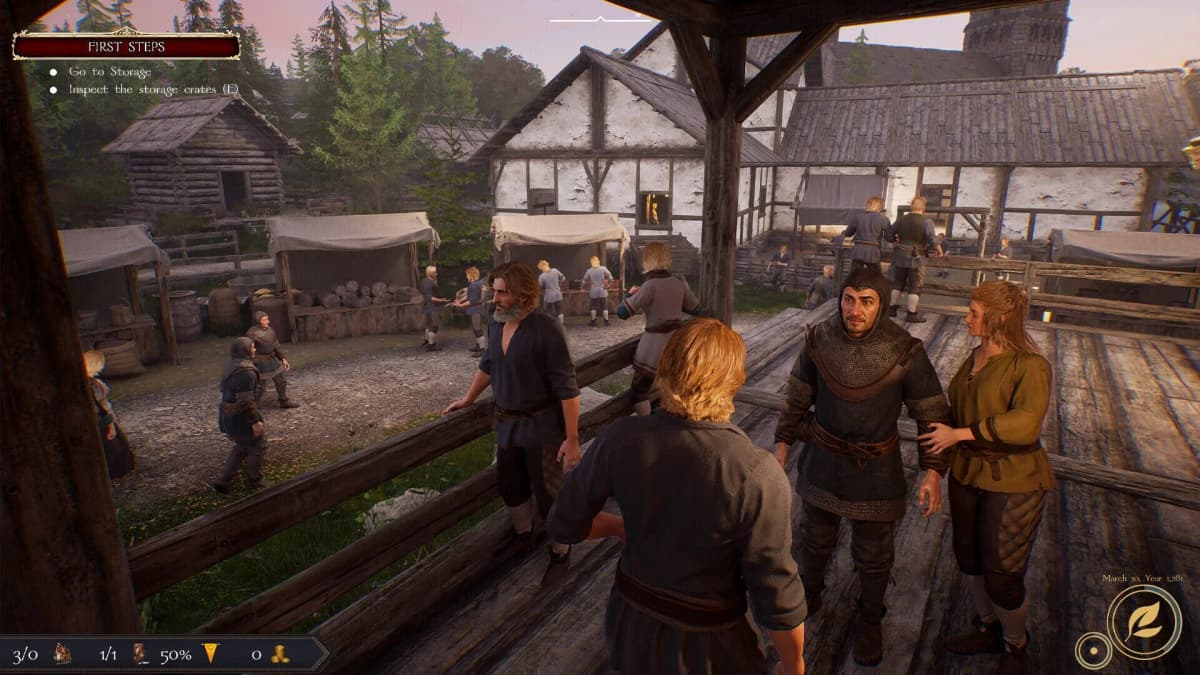
There are practical questions too. Will conversations be consistent and lore-aware, or will you get immersion-breaking randomness? Is it all online-dependent, and what happens if servers wobble? How well is the system moderated so villagers don’t go off the rails? Studio 369 calls the AI feature optional, which is smart. Let people who want pure spreadsheets stay in top-down, and let role-players chat it up. Early Access is the right space to iterate on this, but the team needs to show that the AI feeds the sim loop instead of sitting beside it.
Where It Fits in the Medieval Builder Crowd
Most medieval builders keep you hovering like a ghost accountant. Noble Legacy’s third-person angle pushes closer to Medieval Dynasty, where walking the streets helps you read your settlement’s vibe. If Studio 369 nails the feel—snappy camera toggles, intuitive placement from ground level, quick access to production menus—this could make town management more tactile. But if third-person is clunky or building snaps are fussy, you’ll sprint back to the top-down view and never look back.
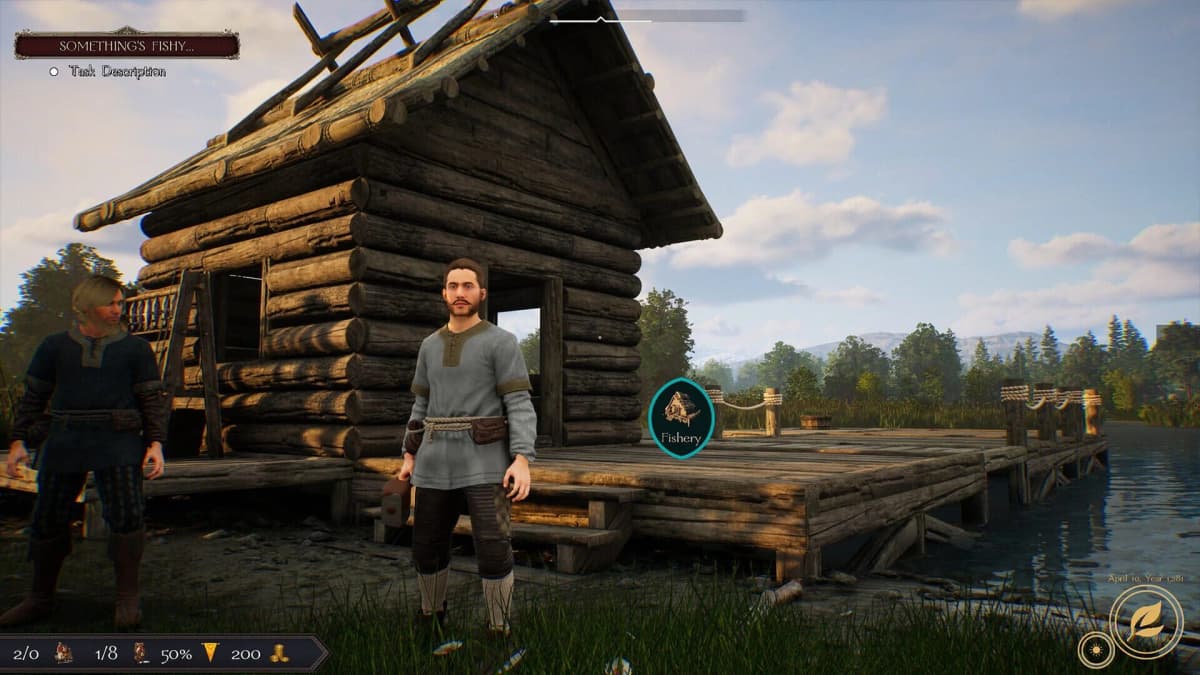
The inclusion of Workshop prefabs at launch is a low-key killer feature. Builders love sharing blueprints, and prefab libraries can flatten early grind without cheating the fantasy. It also gives the community something to rally around while the roadmap fills in. I’d expect the Steam page to flood with longhouses, marketplaces, and defensible strongholds within a week.
Price, Scope, and Early Access Reality Check
At $22.49 for a limited time (standard looks like $24.99), the price sits in the sweet spot for an EA city builder with big ideas. The caveat: “big ideas” don’t pay off without stability and smart UI. Watch for the usual suspects—save corruption, villager pathfinding, production chain bottlenecks that feel like bugs, and performance dips in big settlements. AI systems are CPU-hungry, so keep an eye on frame pacing when lots of agents are thinking at once.
The tutorial with Uncle Edward should shorten the “what do I do first?” ramp, but the real test is whether advanced systems (loyalty, job specialization, tool tiers) explain themselves without a wiki. Roadmap features like diplomacy and raids suggest a push beyond cozy management into kingdom-level stakes, but they’re not here yet. If you want complete political systems and late-game pressure, put Noble Legacy on your wishlist and revisit after a couple of major updates.
Should You Jump In?
If you love city builders and you’re curious about AI-driven role-play, Noble Legacy is one of the first attempts to fuse those worlds in a way that could matter. The genre needs experiments, and this one has promise: third-person immersion, Workshop support, and a sim foundation that looks serviceable out of the gate. Just remember it’s Early Access—expect rough edges, missing systems, and iteration. The AI is the headline, but the economy needs to sing, the interface needs to stay out of the way, and the villager autonomy can’t implode under load.
TL;DR
Noble Legacy launches into Early Access with a compelling pitch: build a medieval kingdom you can walk through and talk to. If the AI chats plug into real management systems, this could be special. If not, it’s another interesting prototype in a crowded field—one worth watching as updates roll in.
FinalBoss // Gear
Level up your setup
01Top-rated gaming headsetson Amazon→02High-refresh gaming monitorson Amazon→03Gaming chairson Amazon→04Discounted game keyson Kinguin→Affiliate links · As an Amazon Associate, FinalBoss earns from qualifying purchases.