
This caught my attention because indie Metroidvanias often chase combat difficulty or big hooks; Nocturnal 2 looks instead like a deliberate mood piece – a city-sized puzzle built around a single, well-defined mechanic (the Enduring Flame) and a distinctive Persian‑inspired aesthetic. That combination is rare enough to be worth tracking.
Table of Contents (5)
Nocturnal 2 – An Atmospheric Metroidvania Focused on Discovery
- Key Takeaway 1: Exploration-first design – the game prioritizes environmental storytelling and returning to previously visited areas with new flame abilities.
- Key Takeaway 2: Distinctive visual identity — hand-drawn art with Persian architectural influences sets it apart from genre norms.
- Key Takeaway 3: Flame as both narrative anchor and gameplay constraint — mechanics and enemies revolve around managing and protecting your flame.
- Key Takeaway 4: Demo-first rollout — a generous Steam demo (Jan 27) lets players test the gating and movement before its full 2026 launch on Steam and Switch.
{{INFO_TABLE_START}}
Publisher|Sunnyside Games
Release Date|Expected 2026 (demo available Jan 27)
Category|2D Metroidvania / Atmospheric Exploration
Platform|PC (Steam), Nintendo Switch
{{INFO_TABLE_END}}
Main analysis: what Nocturnal 2 is actually selling
Nocturnal 2 reads like a design exercise in focus. Rather than layering a dozen systems on top of each other, Sunnyside Games appears to lean on a small set of tightly integrated mechanics: movement, flame-based abilities, and environmental puzzles in a connected city. That design decision signals a game aiming for depth of feel and discovery rather than twitchy, high‑speed combat or difficulty-as-a-sell.
The Enduring Flame is the game’s narrative and mechanical spine. From what’s been shared, losing or defending this flame matters beyond hit points — it alters how you interact with the world and unlocks new traversal options. When a single resource ties movement, combat, and story together, the result can feel cohesive if executed well; it can also become frustrating if the flame becomes a gating annoyance. The Jan 27 demo is an important stress test: it will show whether flame management enhances emergent play or just adds an extra layer of guesswork.
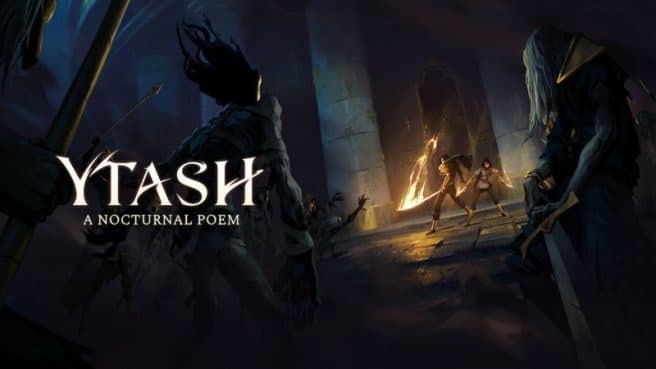
Movement and responsiveness are emphasized — Ardeshir is described as fast and expressive. For Metroidvania players, tight movement is non-negotiable: it’s the difference between exploration feeling rewarding or tedious. Sunnyside’s focus on smooth traversal suggests they understand that a good map and good movement must work together to make backtracking feel like discovery rather than busywork.
Visually, the Persian architectural inspiration is the headline differentiator. Many indie Metroidvanias recycle medieval or generic fantasy tropes; a consistent cultural reference like Persian motifs can create memorable zones and visual signposting that both serves exploration and sells atmosphere. The hand-drawn style also implies an intent to make each area read clearly at a glance — valuable in a large interconnected map.
Where Nocturnal 2 could stumble — and where it can shine
The game’s biggest risk is pacing. An exploration-first Metroidvania must balance the joy of finding secrets with meaningful obstacles; if flame abilities gate too much of the map or if backtracking becomes repetitive, atmosphere won’t rescue the experience. Another risk is clarity: minimalist presentation helps immersion, but not if players are left uncertain why a door won’t open or what the flame does in a specific moment.
Where it can excel is in tone and cohesion. When narrative, mechanic, and art all pivot around a single motif — here, flames and a cursed city — the result can be a rare kind of game that earns emotional resonance through exploration. If Sunnyside nails level design so that each ability reveals clever, non-redundant routes, Nocturnal 2 could join the smaller set of Metroidvanias celebrated for worldbuilding over difficulty.
What this means for players
If you prefer Metroidvanias for mapping and atmosphere (think less spectacle, more mood), Nocturnal 2 should be on your radar. The Switch release makes it a natural fit for handheld exploration sessions, and the Steam demo is a low-friction way to verify if the movement and flame mechanics click for you. Players craving boss-rush combat or high‑skill parrying challenges may find this is intentionally not their game.

For completionists, the promise of secret endings and dense lore means thorough exploration will be rewarded. For speedrunners or combat purists, the title’s priorities suggest a different payoff — atmosphere and discovery over leaderboard fame.
TL;DR
Nocturnal 2 looks like a focused, atmospheric Metroidvania that trades combat primacy for exploration, a unifying flame mechanic, and a distinct Persian‑inspired look. The substantial Steam demo on Jan 27 is the best way to judge whether its movement, gating, and mood come together. If you love carefully crafted worlds and discovery-driven design, this one is worth a try; if you want aggressive combat difficulty, look elsewhere.
FinalBoss // Gear
Level up your setup
01Top-rated gaming headsetson Amazon→02High-refresh gaming monitorson Amazon→03Gaming chairson Amazon→04Discounted game keyson Kinguin→Affiliate links · As an Amazon Associate, FinalBoss earns from qualifying purchases.