
NSR2 adds Casey to Bunk Bed Junction — here’s why that actually matters
Casey joins Bunk Bed Junction – and NSR2 gets louder
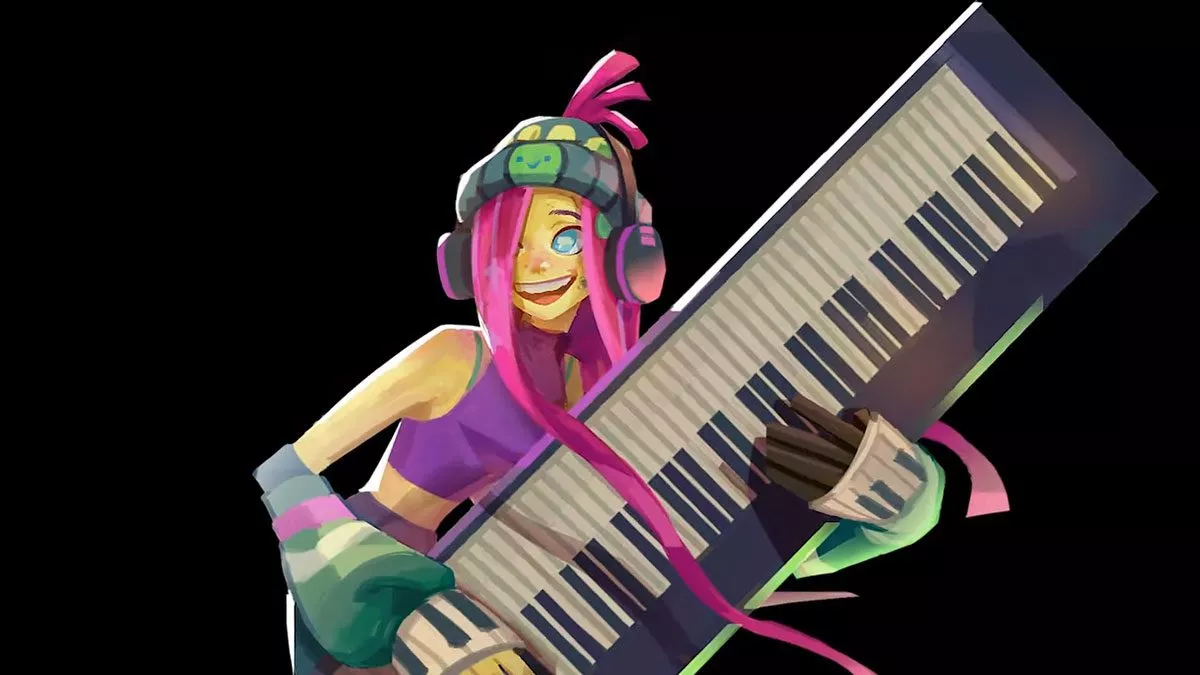
Metronomik just marked five years of No Straight Roads by revealing Casey, the third playable member of Bunk Bed Junction for NSR2. On paper, it’s another character drop. In practice, a keyboardist joining a rock-duo brawler tells us a lot about where the sequel’s combat and style might be heading. As someone who vibed with NSR’s boss setpieces (DJ Subatomic Supernova’s orbiting beats still slap) and also bounced off its rough edges, this reveal caught my attention for more than the patchwork aesthetic.
- Casey is a keyboardist with her own move set, the youngest member offering a newcomer’s perspective on the band.
- She’ll be playable at Tokyo Game Show; a PAX West photobooth is live this week.
- NSR2 launches in 2026 on PC and consoles, with Steam wishlists now open.
- One more unannounced bandmate is still to come-expect a four-piece lineup.
Breaking down the announcement
Metronomik’s Creative Director Daim Dziauddin frames Casey as a style-forward, identity-exploring musician whose “love for accessories and patchwork clothing” mirrors her growth. More importantly for gameplay, she’s a keyboardist-Metronomik explicitly says the band “wants to expand their style and explore new techniques.” That tracks with how NSR plays when it’s at its best: action timing and enemy patterns are born from the song, not just layered on top of it.
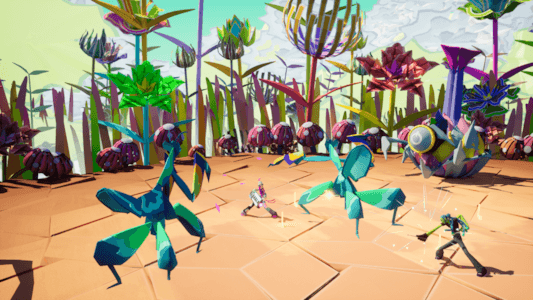
The studio is taking NSR2 on a “global tour” beyond Vinyl City, with Casey and returning rock duo Mayday (guitar) and Zuke (drums) battling a new wave of musical megastars across music-inspired worlds. You can try Casey at Tokyo Game Show next month. For PAX West, it’s a themed photobooth—fun, but let’s be real, the TGS hands-on is the meaningful beat here. The game is targeted for 2026 on PC and consoles, and there’s one more playable band member still under wraps.
Why a keyboardist matters for the combat
NSR’s magic is when the music isn’t just a backdrop; it dictates tells, parry windows, and the chaos of boss phases. A keyboardist hints at more melodic, sustained-note mechanics—think arpeggiated runs translating to flurries, chord stabs functioning as burst counters, or sustained pads that enable zone control. If Mayday is your riff-heavy burst damage and Zuke is rhythmic, combo-centric control, a keys-based kit could slot in as a hybrid support/damage role that shapes the battlefield’s flow.
That plays nicely with Metronomik’s stated goal of “new ways to play.” I’m hoping this also means tighter readability in the music-to-telegraph pipeline—one of the first game’s rough spots. When NSR clicked, fights like 1010 and Sayu blended choreography and satire with mechanical clarity. When it didn’t, camera swings and unclear timing could flatten the rhythm-action payoff. Casey’s kit is a chance to formalize musical cues into mechanics you can feel, not guess.
The real questions NSR2 still has to answer
- Combat clarity and camera: The original’s Encore Edition updates improved things, but 2026 needs modern action-game polish. Will boss tells be as readable as they are stylish?
- Difficulty tuning: NSR swung between breezy and brick wall. Are there better difficulty curves and accessibility options so more players can ride the beat?
- Co-op from the jump: NSR eventually offered co-op options—will NSR2 launch with robust, drop-in-friendly co-op that lets multiple bandmates shine without chaos?
- Platform specifics: “PC and consoles” is vague. Are we talking current-gen only? 60 FPS should be table stakes for a rhythm-timed action game.
- Soundtrack cohesion: With a “global tour” premise, genre diversity is a given. Can Metronomik keep the satire and character-driven bangers without diluting identity?
Context: a music-action lane that’s suddenly crowded
When NSR launched in 2020, its “fight the EDM establishment” premise and boss-forward design felt fresh. Since then, music-driven action has quietly had a moment—Metal: Hellsinger’s beat-locked gunplay and Hi-Fi Rush’s choreography proved there’s real demand when timing and feedback land. By the time NSR2 hits in 2026, players will expect that same snappy responsiveness and visible rhythm scaffolding. Metronomik has the right DNA—Wan Hazmer’s systems instincts from Final Fantasy XV and Dziauddin’s bold visual direction gave the first game its personality. The sequel needs to marry that flair with contemporary action feel.
What gamers need to know right now
- Casey is playable at Tokyo Game Show next month. If you’re attending, this is the litmus test for how NSR2 translates music into mechanics.
- PAX West this week has a Casey-themed photobooth—cute, but the real news is the TGS hands-on.
- Launch window is 2026 on PC and consoles. Steam wishlists are open.
- One more band member is still hidden. A four-piece BBJ suggests deeper party synergies and maybe character-swapping mid-fight.
I’m cautiously optimistic. The first NSR was a rough gem—unforgettable boss concepts, an art style that owned every frame, and music that carried jokes and mechanics in equal measure. If Casey represents a push toward cleaner, musically legible combat and a broader sonic palette, NSR2 could be the sequel that pays off the original’s promise. If not, all the patchwork fits in the world won’t stitch over fundamentals.
TL;DR
NSR2 adds Casey, a keyboardist and the youngest member of Bunk Bed Junction, with a playable demo at TGS and a 2026 release window. The concept is strong; now Metronomik has to nail combat clarity, co-op, and modern action feel to turn the sequel’s style into substance.