
Table of Contents (6)
When supply is the gate, money becomes the key
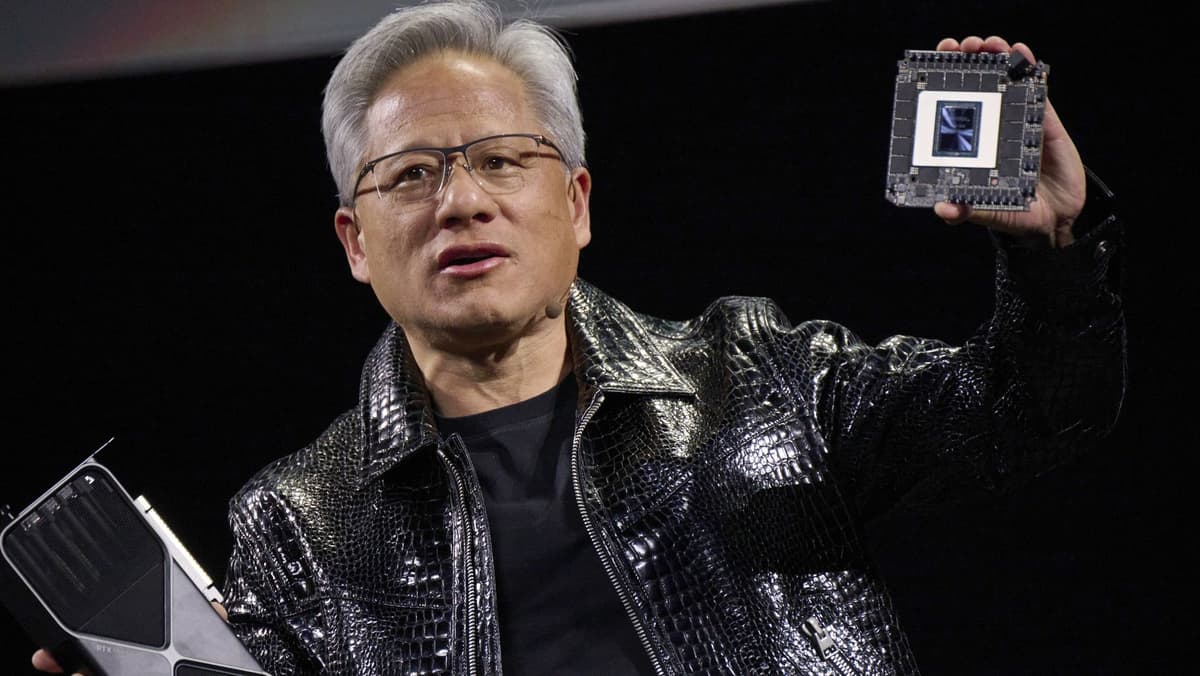
Industry shortages used to be an annoyance. After Jensen Huang’s remarks at the Morgan Stanley TMT conference, they read like a deliberate strategy. Huang said Nvidia doesn’t just sell chips – it secures wafers, DRAM, packaging, cables and more so it can “stand up an entire AI factory” for hyperscalers. The practical effect is simple: Nvidia’s balance sheet lets it claim the scarce stuff first, which helps data‑center customers now and leaves consumer gaming hardware fighting over scraps.
- Nvidia’s move: Use capital to pre-buy manufacturing capacity and components, then offer turnkey AI deployments.
- Why it matters: Memory and wafer shortages are already delaying consumer hardware from Valve and Nintendo.
- The uncomfortable truth: Scarcity is being weaponized into a competitive moat, not just managed as a logistical headache.
What Nvidia actually said – and why it isn’t PR fluff
At Morgan Stanley’s TMT conference Huang framed constraints – memory, power, packaging — as a virtue. “In a world of constraint, you have no choice but to choose the best,” he said, and then listed the arsenal Nvidia can bring: wafers, memory, CoWoS packaging, connectors, cables. He went further: Nvidia uses its capital to secure supply so customers like Microsoft can “stand up a few gigawatts” without delay.
That’s not humblebragging. It’s a description of vertical control. If you can pre-buy wafer runs at TSMC, lock DRAM production slots, and contract packaging houses — you reduce your time‑to‑deploy and raise the barrier for anyone who didn’t pay up front. Huang framed it as a service for customers. It’s also a textbook competitive moat.
Gaming hardware is already feeling the squeeze
This isn’t theoretical. Multiple outlets have reported consumer hardware delays blamed on the same shortages Nvidia cheered. Valve now says its Steam Machine, Steam Frame VR headset and new controller — originally eyed for H1 2026 — could slip because of memory and storage scarcity (PC Games DE; Vandal). Valve explicitly ties the crunch to increased demand for AI components.
Nintendo’s disruption looks different but proves the same point. IGN reported the company sued the U.S. government over tariffs that tangled Switch 2 pre‑orders, but the core problem Nintendo cited was “evolving market conditions” and supply fragility that left it delaying U.S. pre‑orders in 2025. Between tariff whiplash and raw component shortages, big consumer launches are getting pushed or re‑priced.

The uncomfortable observation nobody at a podium will say
Huang calls scarcity “fantastic for us.” He’s not being cheeky — he’s describing a competitive playbook. When supply is constrained, the buyer who pre‑commits cash picks winners. Nvidia’s customers get guaranteed capacity and faster deployments. Competitors and consumer hardware makers get higher component costs, longer lead times, and a harder path to ship volume at competitive prices.
That raises policy and market questions. Is this aggressive supply‑securing anti‑competitive when it systematically disadvantages rivals? Regulators will notice if shortages persist and if Nvidia’s advantage translates into exclusionary behavior. For now, it’s simply smart capital allocation. For everyone else it’s a growing headwind.

What to watch — concrete signals that will tell us if this is a temporary imbalance or a lasting moat
- Valve’s hardware schedule: Valve warned (Mar 7, 2026) the Steam Machine release could slip into 2027. Any new update from Valve will show whether supply eased or stayed tight.
- Nintendo & tariffs: IGN reported Nintendo’s March 6, 2026 lawsuit and a Customs refund system due roughly 45 days after that report — watch for refunds or policy shifts that might unblock Switch 2 plans by late April 2026.
- Memory pricing and lead times: look for sustained DRAM price increases and longer lead times; if those persist into the next quarter, Nvidia’s pre‑buys will look like the deciding factor.
- Nvidia disclosures: read its next quarterly filings and earnings call for details on inventory, committed capital to suppliers, and backlog — that’s where the degree of structural advantage will show up.
TL;DR
Nvidia is using cash to lock key inputs and sell turnkey “AI factories” — a strategy that speeds data‑center rollouts and thickens a moat. That same scarcity is delaying Valve’s hardware and tangled Nintendo’s Switch 2 plans. Watch memory prices, Valve’s release windows, and Nvidia’s next earnings commentary to see if this is a one‑quarter mismatch or a durable competitive edge.
FinalBoss // Gear
Level up your setup
01Graphics cardson Amazon→02Gaming laptopson Amazon→03High-refresh gaming monitorson Amazon→04Discounted game keyson Kinguin→Affiliate links · As an Amazon Associate, FinalBoss earns from qualifying purchases.
Want to Level Up Your Gaming?
Get access to exclusive strategies, hidden tips, and pro-level insights that we don't share publicly.
Ultimate Gaming Strategy Guide + Weekly Pro Tips