
Table of Contents (8)
Why this matters: an Attorney General just called Steam’s item economy a gambling operation
If the New York Attorney General gets her way, Valve’s long-running system of randomized item drops, tradeable skins and a marketplace that lets players convert virtual goods into real money will be treated by a court as unlawful gambling. The complaint filed by Letitia James names Counter‑Strike 2, Team Fortress 2 and Dota 2 and argues the loot-box mechanics plus the Steam Community Market and third‑party exchanges amount to a combustible, unregulated gambling ecosystem – one that, the suit says, has harmed children and teens.
Key takeaways
- The suit targets Valve’s in-game loot boxes across Counter‑Strike 2, Team Fortress 2 and Dota 2 and the cash‑out pathways tied to the Steam Community Market and external sites.
- New York alleges those mechanics function like slot machines – randomized rewards with monetary value that can be traded for cash – and that minors are exposed to this system.
- The complaint seeks to stop the practices, claw back profits and impose fines; it aims at dismantling the marketplace plumbing, not just banning a single sale item.
- If successful, this could ripple across Steam’s economy, third‑party exchanges, and how publishers design monetization going forward.
This isn’t just a consumer complaint — it’s a challenge to the whole cash‑out model
Most coverage will name the games and quote the AG. The real legal lever here is the pipeline: randomized in‑game rewards + a market that turns those rewards into real dollars. Valve has long defended the Community Market as a platform feature and argued item values are set by users. The AG’s suit treats Valve’s marketplace and trading architecture as the enabler — the same plumbing that lets a rare skin sell for tens or hundreds of thousands on secondary markets.
This matters because targeting the market is the fastest way to collapse the perceived separation between “game cosmetics” and gambling. A ruling that the system is unlawful gambling wouldn’t only force design changes inside Valve’s titles — it could force wholesale policy shifts across how tradable cosmetics are handled on Steam and elsewhere.

The part Valve won’t want to talk about: scale and precedent
This isn’t the first time skin economies drew legal heat. The mid‑2010s skin‑gambling scandals that sprang up around Counter‑Strike overlays forced reputational damage and regulatory attention before. What’s different now is an AG using broader consumer‑protection and gambling laws to go after the platform itself and the ecosystem it profits from. The complaint is aimed at disgorging profits and obtaining injunctive relief — remedies that could meaningfully reduce Valve’s revenue and disrupt fragile third‑party markets.
The question the PR team hoped you wouldn’t ask
How is Valve going to square claiming the market is “user‑driven” while taking a cut of transactions and providing the trading infrastructure? If Valve’s position is that they merely supply a tool, the AG’s framing — that Valve benefits financially and could control access — undercuts that defense. The suit asks a legal question Valve has successfully skirted in public debate: when does facilitation become responsibility?
What gamers and wallet‑watchers should be watching
- Valve’s immediate public response and any emergency court filings — expect a motion to dismiss or an attempt to move venue within weeks.
- Whether New York seeks a temporary restraining order or an injunction blocking sales or market operations — that would produce the fastest, most visible disruption.
- If other states’ AGs join or file parallel suits; coordinated state action multiplies legal pressure and raises settlement odds.
- How quickly third‑party marketplaces react — delisting, changing cash‑out options, or tightening verification would all be early signals.
If I could stand in front of a Valve PR rep, I’d ask this plainly: will Valve suspend any randomized‑loot sales or restrict market withdrawals for minors while this case proceeds? That answer tells you whether Valve treats the complaint as a public‑relations problem or an existential legal threat.
Forward signal
The clearest immediate indicator this suit will change behavior: a court grants interim relief that curtails trading or loot‑box sales. Absent that, the litigation could still end in settlement with new constraints and fees — or a definitive court ruling that reshapes the market model for tradable cosmetics across the industry.
TL;DR
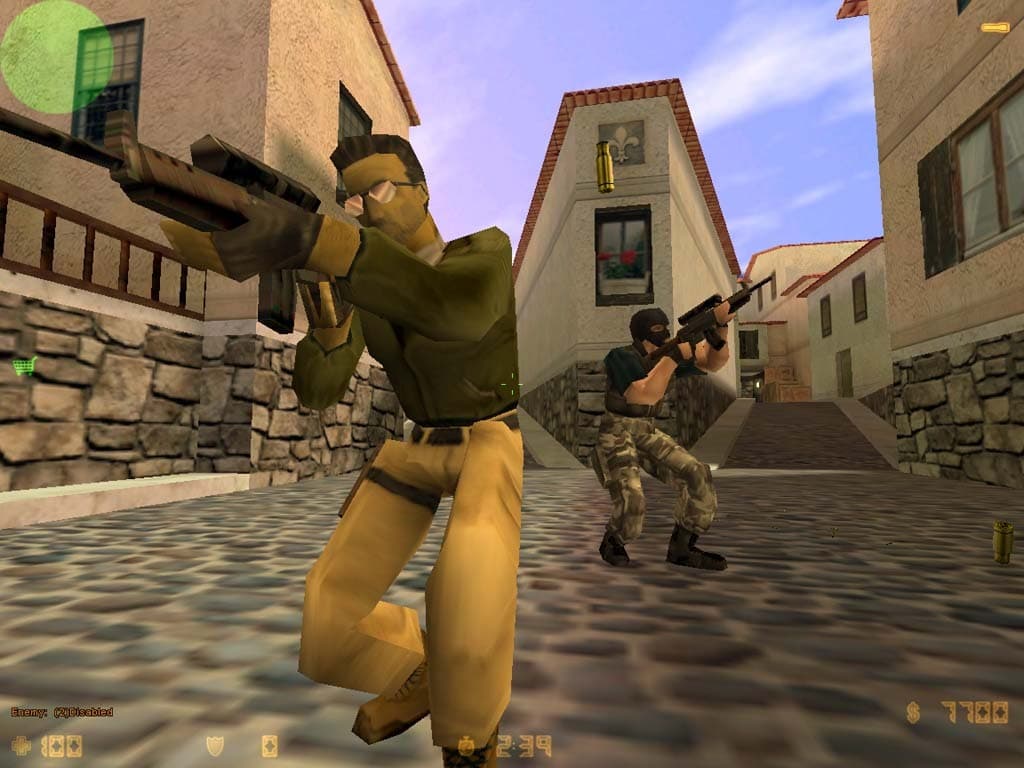
New York AG Letitia James sued Valve, saying loot boxes in Counter‑Strike 2, Team Fortress 2 and Dota 2 plus the Steam market amount to illegal gambling. The suit targets the cash‑out pipeline, seeks disgorgement and injunctions, and could upend Steam’s tradable‑item economy. Watch Valve’s legal response, any emergency court orders, and how third‑party markets react — those will show whether this is a temporary scare or a real structural reckoning.
FinalBoss // Gear
Level up your setup
01Graphics cardson Amazon→02Gaming laptopson Amazon→03High-refresh gaming monitorson Amazon→04Discounted game keyson Kinguin→Affiliate links · As an Amazon Associate, FinalBoss earns from qualifying purchases.
Want to Level Up Your Gaming?
Get access to exclusive strategies, hidden tips, and pro-level insights that we don't share publicly.
Ultimate Gaming Strategy Guide + Weekly Pro Tips