
New York Attorney General Letitia James just shifted the loot‑box fight from regulation to high‑stakes enforcement: her Feb. 25 summons accuses Valve of running an illegal gambling operation through Counter‑Strike 2, Dota 2 and other titles, and it asks a court not only to stop the practice but to disgorge profits, pay restitution to New Yorkers and impose civil penalties up to three times the alleged gains.
- Key takeaway: This is an enforcement play that targets the whole Valve economy – not a garden‑variety consumer suit.
- Legal leverage: The AG invoked state law to seek a permanent injunction and treble damages, which makes this potentially existential for Steam’s tradable‑items model.
- Evidence gap: The complaint says Valve sold keys to “thousands” of New Yorkers and pulled “tens of millions” from them, but offers no granular NY revenue breakdown – expect that number to be litigated hard.
- Why it matters: If a court accepts the AG’s theory that keys and market listings equal gambling, platforms across PC gaming could be forced to unhook real‑money exits from virtual economies.
Table of Contents (5)
This isn’t a PR slap – it’s trying to break the economy Valve built
The complaint reads like a road map to dismantling the Steam skin economy. James argues Valve sells keys (the filing cites a $2.49 key price plus New York tax) and profits both from key sales and a 15% cut of Community Market transactions. More important than the sticker price is the remedy requested: permanent injunctions, restitution to affected New Yorkers and civil penalties up to treble damages. That combination could force Valve to stop selling keys, disable market mechanisms, or pay outsized penalties — any of which would crater the value of tradable cosmetics overnight.
What the complaint leans on — and where it’s thin
James paints the loot‑box UI as “slot machine‑like” — spinning visuals, animated reveals — and points to the Steam Community Market and third‑party exchanges where rare items trade for real cash (the filing notes an example of a single CS2 item selling for over $1 million on an external site). The AG also cites academic research about youth vulnerability and the visibility of gambling behavior via streamers.
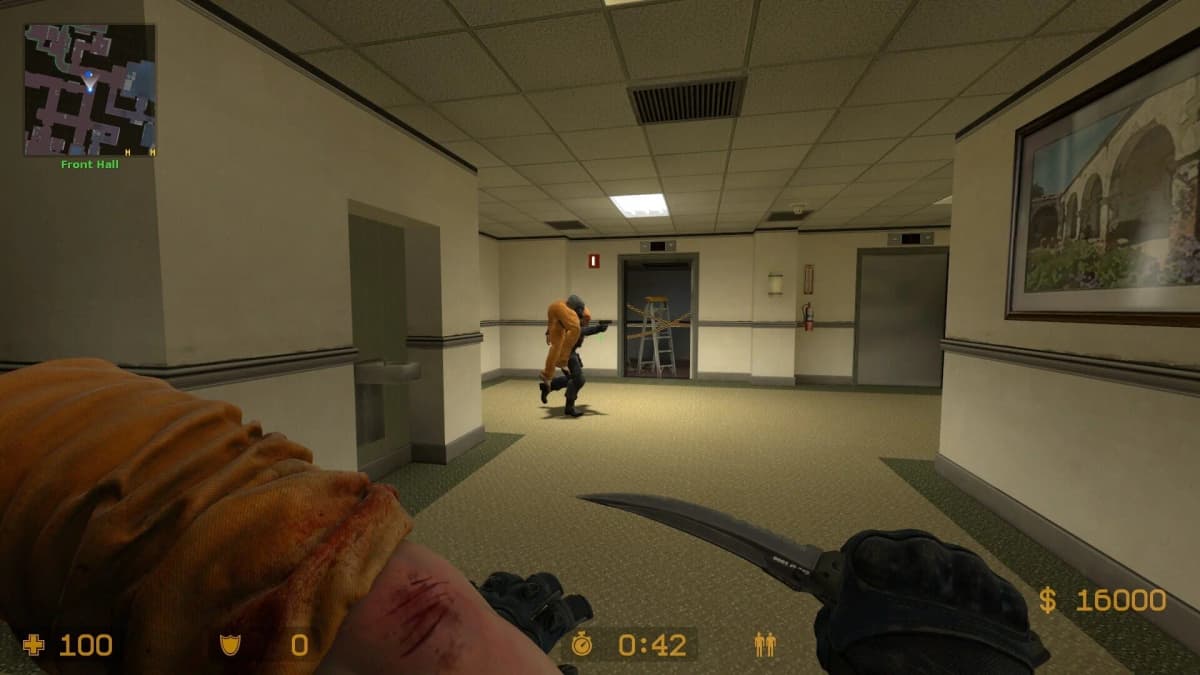
But the filing’s financial claims lack fine detail. It alleges Valve made “tens of millions” from New Yorkers and points to a broader $4.3 billion skin market estimate, without a New York‑specific ledger. That’s not a deal killer — it’s the piece most likely to change during discovery. Expect Valve to demand proof the AG can tie specific revenues to state residents before any treble damages are calculated.
Kids, streaming and political theatre
The filing leans heavily on harms to minors: easy access, colorful reveals, and influencer culture normalizing high‑stakes openings in front of kids. That framing is smart politics; it translates emotive concerns into consumer‑protection law. It also lines this case up with other 2026 actions — from county suits against Roblox to regulatory pushes for monetization transparency.
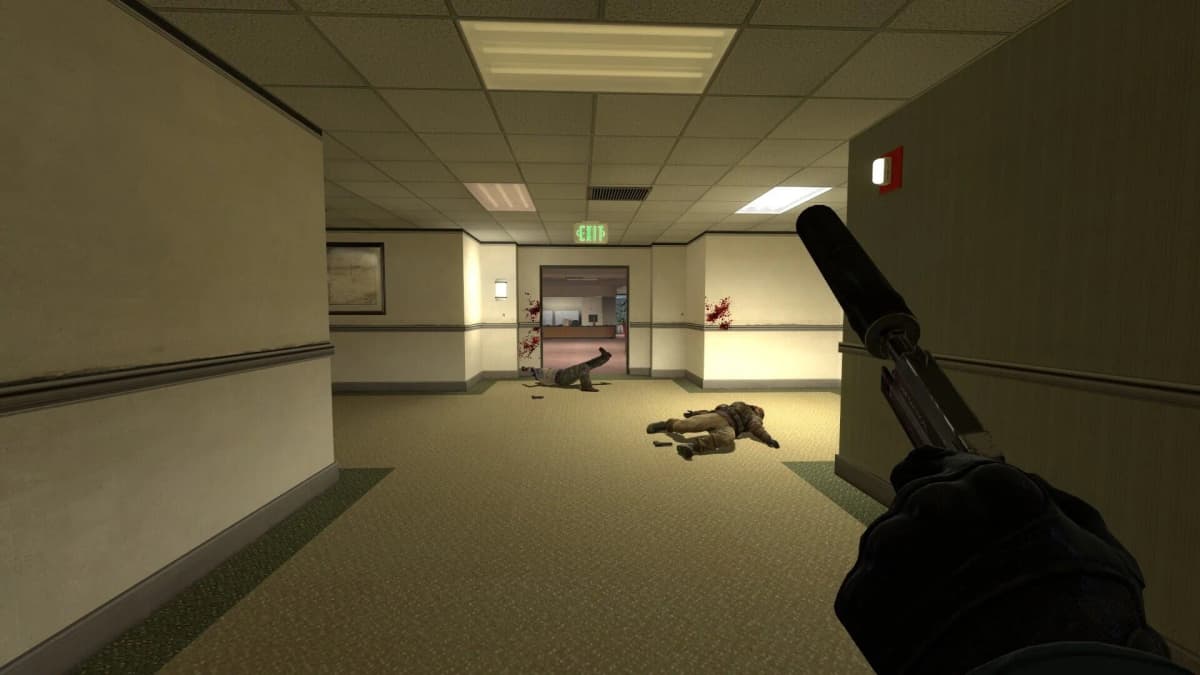
The uncomfortable question the AG is asking Valve — and the one I’d ask PR
The AG’s move asks a blunt question: when your systems let virtual items be converted into real value, is that gambling? If you were in Valve’s seat, you’d be asked directly: will you stop selling keys and disable cash‑out routes for New Yorkers while this case proceeds? That’s the operational choice that will reveal whether Valve treats this as a legal fight it can win or a policy problem it needs to neutralize fast.
What to watch next
- Valve’s formal response or motion to dismiss — typically due within ~30 days. Expect an immediate procedural challenge and a fight over standing and definitions.
- Whether the AG asks for a temporary injunction. If granted, Valve could be forced to pause key sales or restrict market features in New York while the case proceeds.
- Discovery battles over revenue numbers and user demographics. The complaint’s “tens of millions” claim will be tested here.
- Copycat actions from other states or federal regulators. This filing makes New York a template; other attorneys general have been watching.
This suit plugs into two broader threads: regulators are no longer content to nudge transparency around loot boxes, and litigants are trying to attach established gambling statutes to modern virtual economies. If James gets past early hurdles, the case could produce a judgment that forces platform‑level redesigns — not just warnings and label changes.
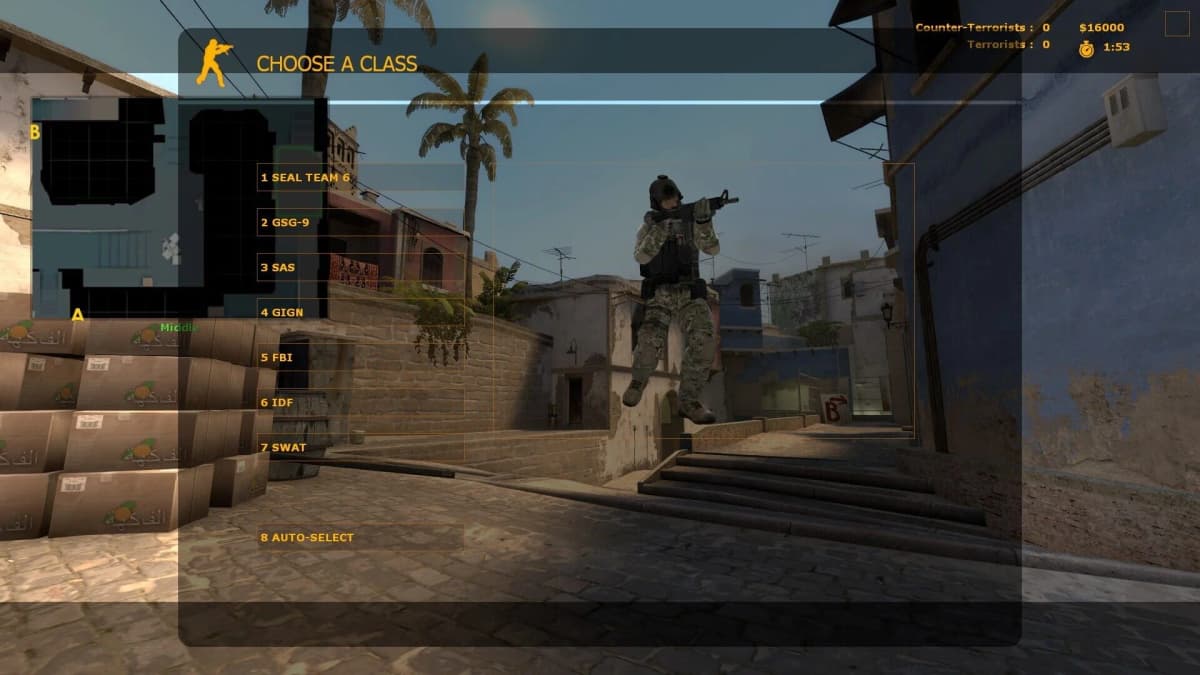
TL;DR: New York has asked a court to treat Valve’s keys-and-market system as illegal gambling and is seeking restitution plus treble damages. The claim is strategically framed around harm to minors and real‑world cash‑outs, but the filing lacks granular NY revenue detail. Watch for Valve’s response, any emergency injunction, and how discovery handles the money trail — those moves will decide whether this is a warning shot or a structural blow to Steam’s economy.
FinalBoss // Gear
Level up your setup
01Graphics cardson Amazon→02Gaming laptopson Amazon→03High-refresh gaming monitorson Amazon→04Discounted game keyson Kinguin→Affiliate links · As an Amazon Associate, FinalBoss earns from qualifying purchases.
Want to Level Up Your Gaming?
Get access to exclusive strategies, hidden tips, and pro-level insights that we don't share publicly.
Ultimate Gaming Strategy Guide + Weekly Pro Tips