
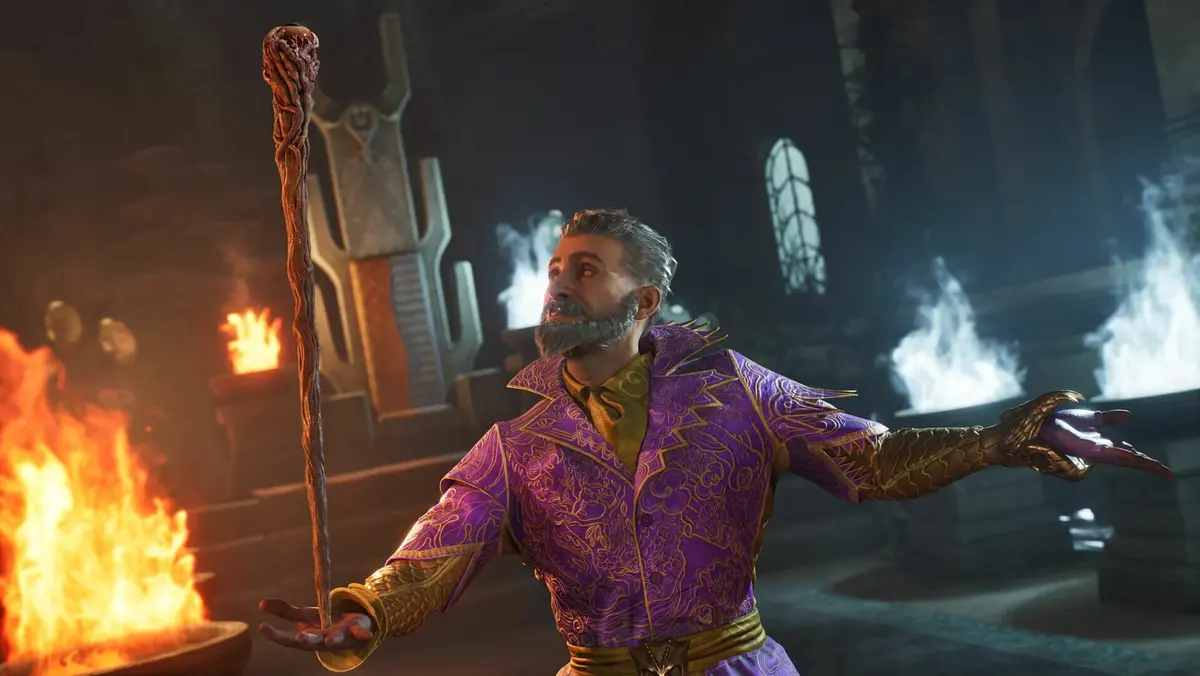
Switch 2 owners are getting the full The Elder Scrolls IV: Oblivion Remastered experience on August 11, 2026, but the port comes with a hard expectation to set before spending $49.99: it is targeting 30 FPS everywhere. Bethesda and Virtuos are using DLSS to reach 900p in handheld mode and 1080p while docked. That should make Cyrodiil look respectable on Nintendo’s hardware. It does not guarantee that Cyrodiil will move smoothly through its busiest areas.
Table of Contents (4)
30 FPS is the deal, not a temporary compromise
There is no announced 60 FPS performance mode. That makes this a very different buying proposition depending on what players want from the port. For a long, quest-heavy RPG built around inventory management, dialogue, dungeon crawling, and the occasional three-hour detour from the main quest, 30 FPS can be perfectly workable. For anyone who notices uneven motion in combat or traversal, the target matters far more than the box’s resolution numbers.
Early gameplay has shown the familiar pressure points: the opening enclosed spaces fare better, while outdoor exploration and denser locations expose dips, stutters, and uneven frame pacing. That is the uncomfortable part of this release. Oblivion Remastered already carried open-world streaming baggage on stronger platforms, and Switch 2 is being asked to run the same modern visual overhaul while carrying the original game’s famously complicated world structure underneath.
DLSS can clean up the image, but it cannot repair the engine
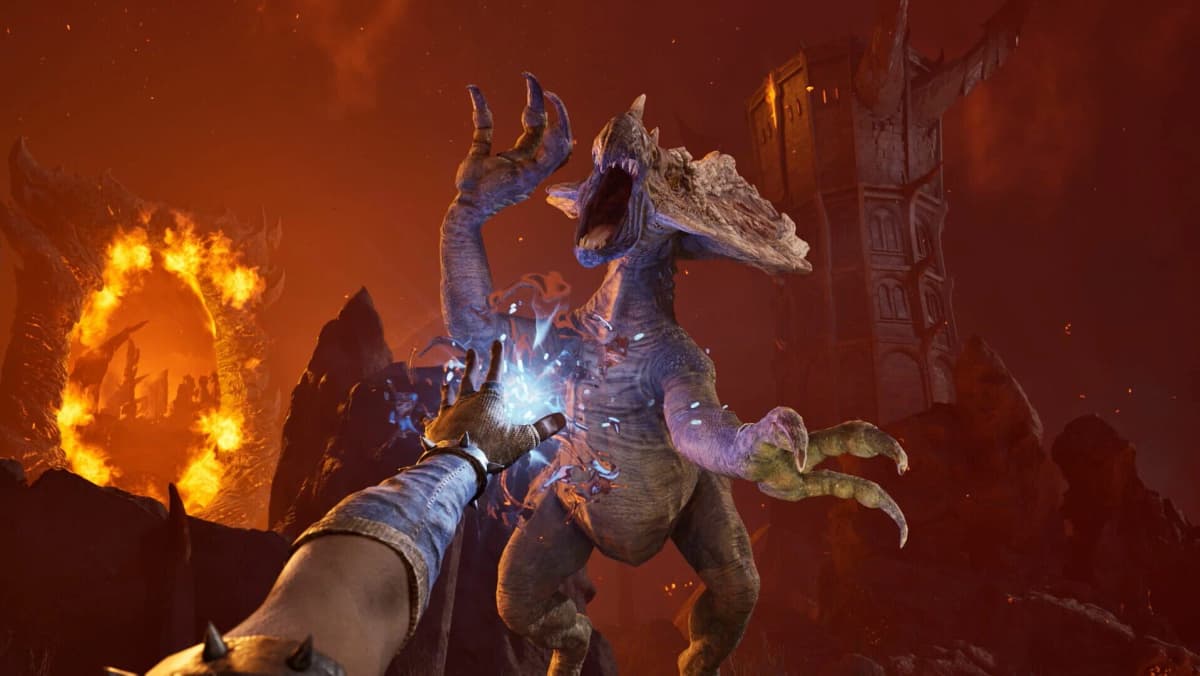
DLSS is useful here. Reconstruction should produce a cleaner image than a simple low-resolution render, especially on a docked TV. The 900p handheld and 1080p docked figures are output targets, though, and the internal resolution will be lower. Foliage, fast camera movement, and busy outdoor scenes are where the compromises are most likely to show.
More importantly, DLSS does not solve the problems players tend to hate most: CPU bottlenecks, asset-streaming hitches, long transitions between zones, or inconsistent frame delivery. A sharper 30 FPS image is still 30 FPS, and a sharp stutter remains a stutter. Marketing has trained people to see DLSS as a performance button. In this case, it is primarily an image-quality tool helping a demanding remaster fit the machine.
The content package and controls give the port a real case
The better argument for this edition is portability rather than technical supremacy. Bethesda describes it as the “complete story experience,” with the remaster package including major expansion content such as Knights of the Nine and Shivering Isles. That is an enormous RPG to have on a handheld, provided the performance does not turn every city approach into a loading test.
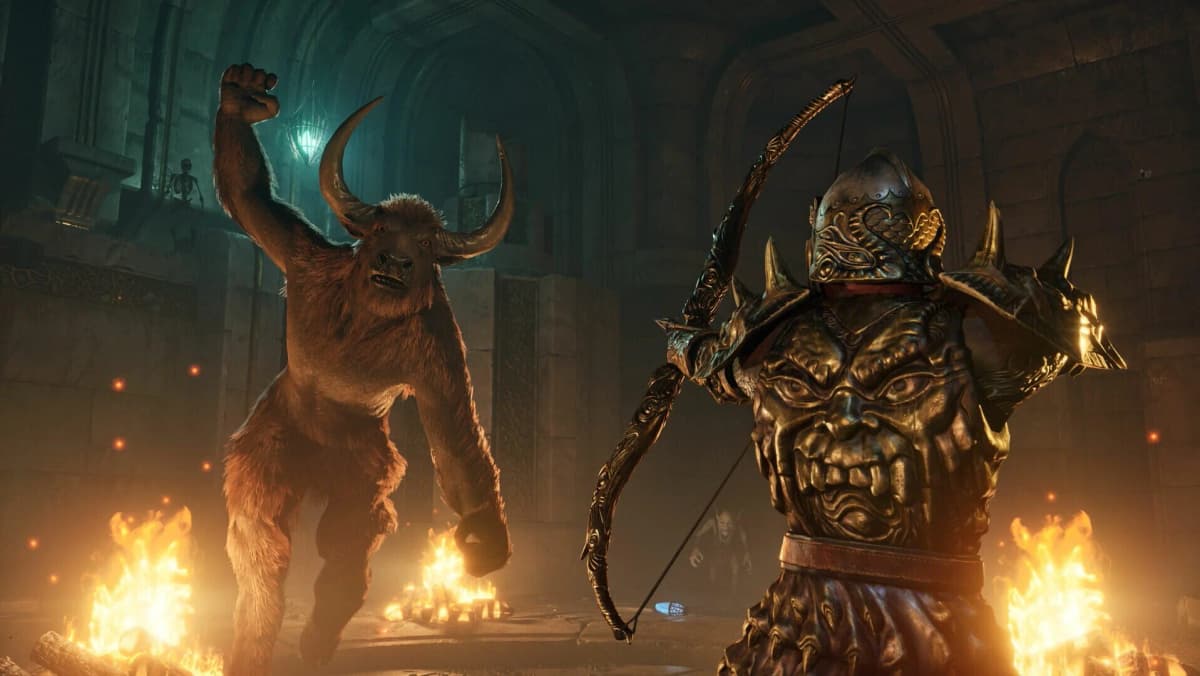
Virtuos has also added motion controls, touch-screen support, and mouse mode. Touch input could be genuinely handy for a game with extensive menus, maps, spell management, and inventory sorting. Those features improve convenience; they will not make combat feel more responsive when frame pacing slips.
What to check before buying
- Whether outdoor docked play stays close to its 30 FPS target.
- Whether handheld performance holds together in cities, combat, and foliage-heavy areas.
- How long zone transitions take and how often traversal produces visible hitches.
- Whether the day-one update or patch 1.1 meaningfully improves frame pacing.
Buy at launch for portable access to a content-complete Oblivion and accept 30 FPS as the baseline. Wait for post-launch performance checks if a stable frame rate is non-negotiable. The resolution targets are clear; the launch-week test is whether Virtuos can make that 30 FPS feel deliberate rather than merely survivable.
FinalBoss // Gear
Level up your setup
01Best-selling Switch 2 gameson Amazon→02Switch 2 accessorieson Amazon→038BitDo controllerson Amazon→04Discounted game keyson Kinguin→
Affiliate links · As an Amazon Associate, FinalBoss earns from qualifying purchases.
Want to Level Up Your Gaming?
Get access to exclusive strategies, hidden tips, and pro-level insights that we don't share publicly.
Ultimate Gaming Strategy Guide + Weekly Pro Tips