
This massive RPG just said “no AI” and it changes everything
Game intel
The Outer Worlds 2
The Outer Worlds 2 is the sequel to the award-winning first-person sci-fi RPG from Obsidian Entertainment.
Key Takeaways
- Obsidian Entertainment confirmed The Outer Worlds 2 used zero generative AI in all content creation.
- This stance contrasts with industry giants like Square Enix and Krafton ramping up AI for QA, art, and voice work.
- Human-crafted dialogue and bespoke quest design are core to Obsidian’s identity—and players are loving it.
- Early Steam reception is “Very Positive,” proving “human-made” and “shippable” can go hand in hand.
Why Obsidian’s Zero-AI Pledge Matters
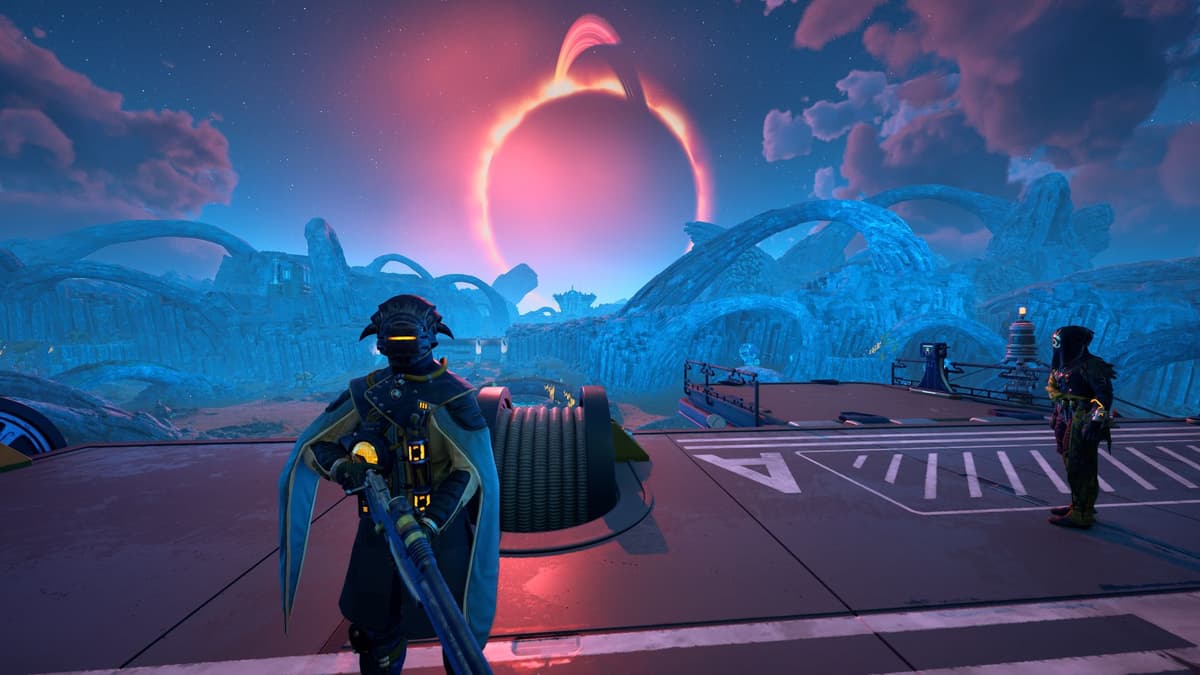
In a year when most studios shyly wave around “responsible AI” guidelines, Obsidian Entertainment drew a firm line: The Outer Worlds 2 was made with zero generative AI. No AI-written quests, no text-to-speech voice cloning, no AI-generated art. Game director Leonard Boyarsky told GameFile outright, “We’re not using generative AI at all.” There’s something refreshingly old-school about that clarity—every line you read and hear was authored and performed by a human being on purpose.
That promise has resonance. The Outer Worlds franchise thrives on sharp satire, from corporate dystopia gags to branching conversation checks. When you know every quip, every consequence, every perk unlock was hand-placed, it deepens your appreciation for the craft. In an RPG where a single Science check might crack open a hidden terminal or a snarky perk leads to a secret ending, intent matters.
The Industry AI Arms Race
Meanwhile, big publishers are full steam ahead on automating creativity. Square Enix has announced plans to hand over up to 70% of quality assurance to AI by 2027. Krafton, known for PUBG and Subnautica 2, has gone “all-in” on various AI systems and even offered voluntary buyouts as job cuts accelerate. TTS voice stand-ins and AI key art are already common shortcuts to hit marketing deadlines. Against that backdrop, Obsidian’s zero-AI stance isn’t nostalgia—it’s a counterpunch in an arms race of automation.
The Craft of Hand-Crafted Writing
If you’ve played Fallout: New Vegas or the original Outer Worlds, you know Obsidian’s writing muscle: perks that unlock weird side doors, skill checks that reward you with jokes or lore snippets, and choice-driven payoffs that feel tailor-made. Boyarsky, Josh Sawyer, Kate Dollarhyde—all veterans from the studio’s golden era—build narratives that lean on player agency and carefully tuned dialogue beats. A generative model could spit out sentences about corporate corruption, but it can’t decide that Line A unlocks only if you picked a Psychology background, tucked behind a lockpick check, in a room where a single easter-egg terminal finishes the punchline.
That sort of puzzle-box storytelling is baked into Obsidian’s design DNA. You can feel it in each quest blueprint and every voice-acted line reading like a director called “cut” after the perfect take. When Boyarsky says, “We defended the part of the process that makes our games ours,” he’s talking about preserving the human spark that keeps players laughing, debating, and replaying.
FinalBoss // Gear
Level up your setup
01Top-rated gaming headsetson Amazon→02High-refresh gaming monitorson Amazon→03Gaming chairson Amazon→04Discounted game keyson Kinguin→Affiliate links · As an Amazon Associate, FinalBoss earns from qualifying purchases.
Counterpoint: Where AI Still Makes Sense
To be fair, generative AI isn’t all doom and gloom. Tools like machine translation can help localize games faster, and AI-assisted bug triage can speed up patch cycles. Some studios use procedural systems to populate worlds with side content—hunters, miners, or random loot—while reserving human writers for main quests. Even Obsidian likely uses traditional AI for pathfinding and enemy behavior. The key distinction is whether AI drafts your story beats or simply optimizes technical tasks behind the scenes.
In time, we may see hybrid pipelines where small trial runs of AI help with rough drafts or art mock-ups, then human teams polish and reintegrate. Obsidian’s all-or-nothing stance won’t suit every studio’s budget or scope, but it sets a public benchmark: if you care about authored systems, you’ll call out where AI is used—and where it isn’t.
Want to Level Up Your Gaming?
Get access to exclusive strategies, hidden tips, and pro-level insights that we don't share publicly.
Ultimate Gaming Strategy Guide + Weekly Pro Tips
What You’ll Actually See in The Outer Worlds 2
Player feedback on Steam is already trending “Very Positive.” Gamers consistently praise the tightened combat—cleaner hit feedback, smarter enemy AI—and a wider array of weapon and science perks. But the real headline remains writing: optional dialogue behind specific skill gates, perks that dramatically alter quest solutions, and corporate dystopia satire dialed up with biting sarcasm.
Expect deeper faction relationships, too. Early previews note that side quests now branch not just on success or failure, but on nuanced player background choices. A character with a Medical background could save a colony using advanced biotech latch-keys; someone with Criminal ties might bribe their way out. Those permutations don’t happen by accident or by an AI scraping reddit threads—they’re design decisions made by writers mapping out every possible outcome.
Next Moves for Players
If you’re curious how iron-clad that zero-AI promise really is, keep an eye on credits and patch notes. Look for any mention of third-party AI tools or generative models in art and text. Encourage studios you love to be equally transparent—ask on forums, tag them on social media, or look for a “no generative AI” badge in their marketing.
Voting with your wallet is powerful. Early Steam reviews show that when players prioritize intentional writing over mass-produced filler, they’ll reward it. Dialogue snippets praising bespoke humor and handcrafted payoffs pop up daily. Show support by adding to your wishlist, leaving thoughtful reviews, and sharing moments that made you laugh or think.
Conclusion
Obsidian’s bold refusal to use generative AI in The Outer Worlds 2 is more than a marketing angle—it’s a statement about authorship, quality, and player respect. In an era of automation, this game reminds us why human creativity still matters in RPGs. As the industry wrestles with AI’s role, Obsidian proves you can deliver a modern, polished title without trading soul for scale. That commitment might just inspire others to put people before prompts.
TL;DR
Obsidian’s The Outer Worlds 2 was crafted with zero generative AI—no AI quests, no TTS, no AI art—and players are responding with “Very Positive” Steam reviews. In a time when studios lean on AI shortcuts, this rare pledge highlights why hand-crafted writing and deliberate design still define top-tier RPGs.