
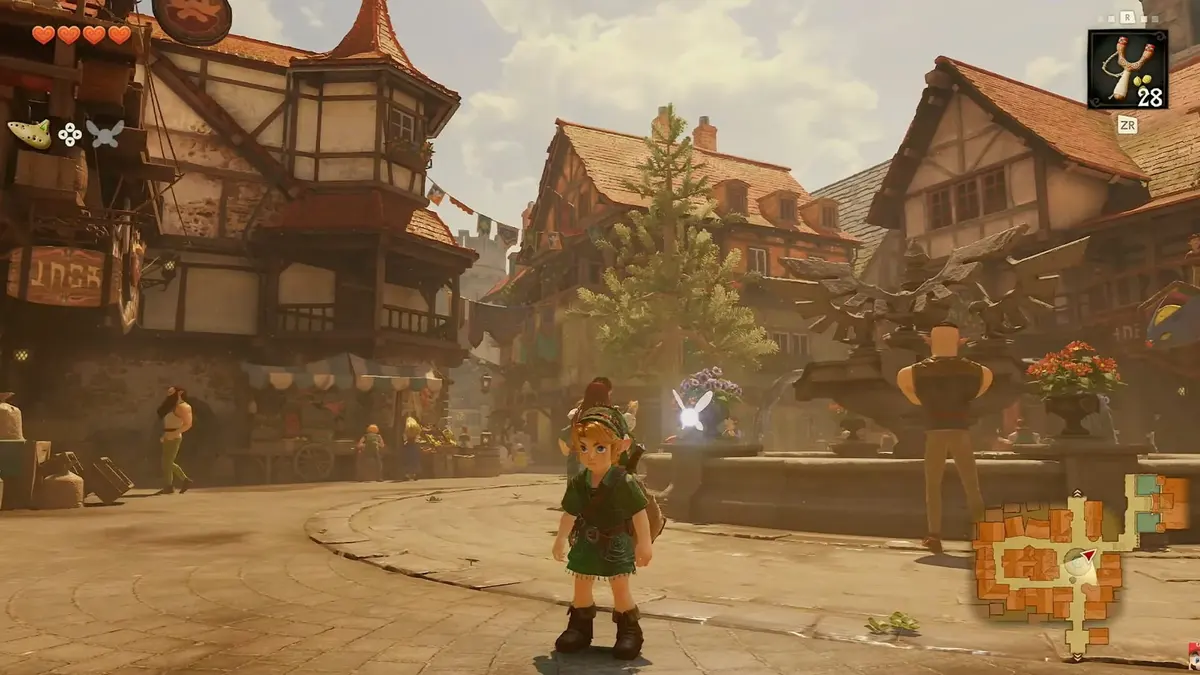
Nintendo has finally put a date on The Legend of Zelda: Ocarina of Time remake: November 5, 2026. The bigger news is that this is not a museum-piece reissue for Nintendo Switch Online subscribers. It is a Switch 2-exclusive rebuild with manual jumping, free camera control, fully voiced scenes, a redesigned inventory, and an Ocarina that players can activate by humming or whistling into the console’s microphone.
That is a lot of modernization for a game Nintendo is still pitching as a faithful return to its Nintendo 64 landmark. Faithful is doing some heavy lifting here. A dedicated jump button alone changes the feel of a game built around contextual movement and automatic leaps. Nintendo is rebuilding a classic, then carefully avoiding the word “reinvention.”
- Release date: November 5, 2026.
- Platform: Nintendo Switch 2 exclusively; no Nintendo Switch version is listed.
- Core changes: Manual jumping, dashing, faster item switching, right-stick camera control, voiced cutscenes, and the Threads of Time quest system.
- The strange bit: Players can hum, sing, or whistle Ocarina songs into Switch 2’s microphone, alongside a physical Ocarina accessory.
Table of Contents (5)
Nintendo picked a date — and made Switch 2 ownership part of the deal
The remake arrives on November 5, following its first reveal during the June 9 Nintendo Direct and a fresh gameplay-focused push during the Zelda 40th Anniversary Direct. Nintendo’s store listing identifies only Switch 2, making this one of the clearest examples yet of the company using a beloved legacy game to move its new hardware.
That decision will annoy anyone still waiting for a reason to upgrade, because the original has survived on every imaginable re-release format for nearly three decades. Nintendo knows exactly what it is doing. A fresh Zelda adventure can sell a console; rebuilding one of the most revered games ever made can persuade hesitant owners who have been waiting for a less abstract justification.
Nintendo has not confirmed an MSRP, digital preload date, performance targets, or physical-edition contents. A $59.99 retail listing has circulated, but Nintendo has not verified that figure. The release date is firm. The cost of admission, beyond owning a Switch 2, is still deliberately left hanging.
The control changes are the remake’s real gamble
The original’s movement system was elegant partly because it was restrictive. Link climbed, leapt, targeted, and navigated spaces through a tightly controlled language of context-sensitive actions. The remake gives him manual jumping, dashing, optional motion aiming, a dedicated jump button, and free camera movement through the right stick.
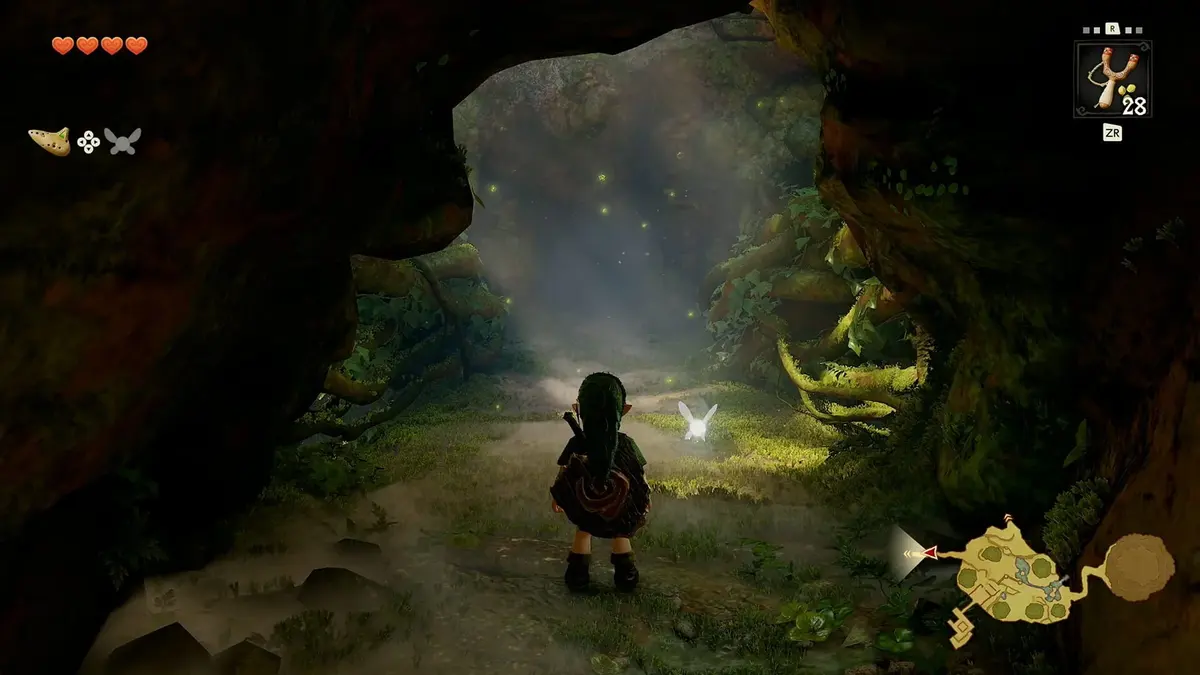
Those are sensible quality-of-life upgrades in 2026. They also risk sanding down the original’s deliberate friction. Hyrule Field, the Deku Tree, and Hyrule Castle Town were designed around what Link could and could not do at any given moment. A jump button can make traversal feel better; it can also expose every ledge and fence that was once safely outside the player’s reach.
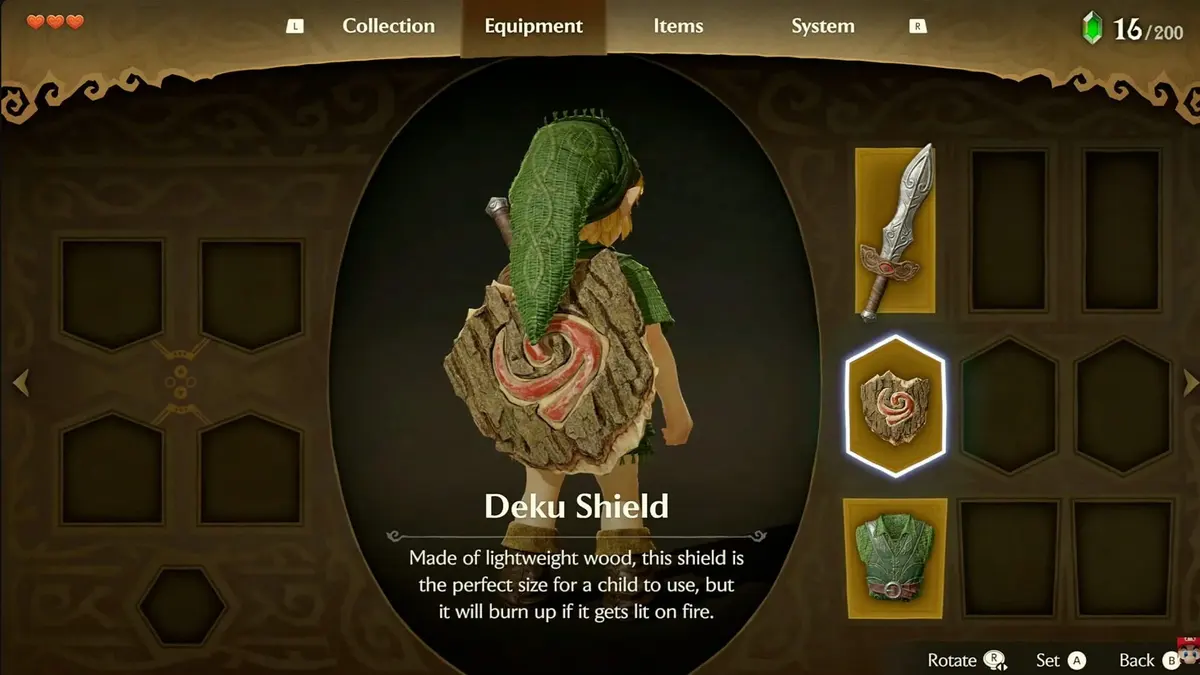
Nintendo has also rebuilt the inventory as a sliding quick-access interface split across equipment, items, and collectibles. Faster swapping is welcome, especially for an adventure whose older menus were often mistaken for part of the challenge. The key test is whether that speed preserves the rhythm of preparation rather than turning every puzzle into a frantic equipment carousel.
Threads of Time could fix the old game’s one modern problem
Ocarina’s opaque progress logic was magical in 1998 and occasionally exhausting once players had access to a dozen other games competing for their attention. The new Threads of Time system tracks progress as a growing tapestry, functioning as a quest log and timeline for Link’s journey.
That is the smartest announced addition. A proper record of unfinished business helps players return without turning Navi into an endless hint dispenser. Navi still offers guidance, while the Zelda Notes companion app adds stat tracking, point collection, screenshots, and mini-quest discovery. Nintendo is building an escape hatch for players who do not remember precisely which villager mentioned a cave six hours ago.
The risk is over-guidance. This world works because discovery has texture: a rumor in Castle Town, an odd landmark in Hyrule Field, a song that changes the rules of time. Threads of Time needs to document discovery, not replace it with a glowing checklist.
The microphone Ocarina sounds either brilliant or deeply awkward
Nintendo’s most Nintendo-like idea is also the hardest to judge from a presentation. Link can hum Ocarina melodies, and players can hum, sing, or whistle into the Switch 2 microphone to translate sounds into in-game tunes. The melodies still affect the world, including changing the time of day. A physical Ocarina accessory is also planned for the remake.
It is a charming fantasy when it works: players performing the songs instead of merely pressing assigned notes. It is also a feature that needs to function in real living rooms, with background noise, handheld play, imperfect pitch, and players who would rather not serenade a console on public transport. Nintendo needs to show how forgiving the recognition system is, and whether standard button inputs remain equally practical.
What to watch before November 5
The next meaningful reveal needs to answer four things: the final price, Switch 2 performance targets, how manual jumping interacts with the original world design, and the exact role of the microphone and physical Ocarina. Nintendo has shown new box art and screenshots, plus gameplay that confirms a far more ambitious rebuild than a cosmetic remaster. The practical details now matter more than another nostalgia trailer.
Young Link and Young Zelda amiibo will unlock classic 3D masks, which is harmless bonus dressing. The defining issue is whether Nintendo has modernized the interface without flattening the adventure that made the original endure.
Verdict: November 5 is a real Switch 2 buying date for Zelda fans, but this remake earns its place only if Nintendo treats its new controls and guidance systems as support tools rather than excuses to make Hyrule easier, louder, and less mysterious.
FinalBoss // Gear
Level up your setup
01Retro consoleson Amazon→028BitDo controllerson Amazon→03Capture cards (Elgato & more)on Amazon→04Discounted game keyson Kinguin→Affiliate links · As an Amazon Associate, FinalBoss earns from qualifying purchases.
Want to Level Up Your Gaming?
Get access to exclusive strategies, hidden tips, and pro-level insights that we don't share publicly.
Ultimate Gaming Strategy Guide + Weekly Pro Tips