
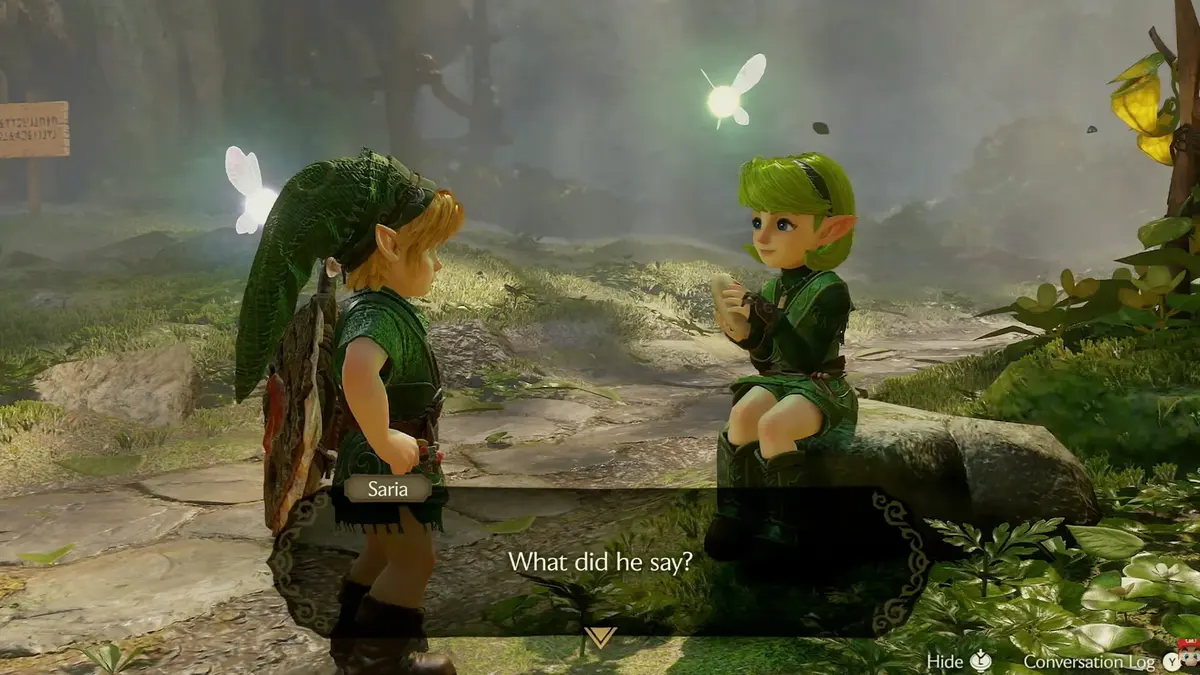
Nintendo has made the wrong call on The Legend of Zelda: Ocarina of Time Remake’s loading screens, and “preserving the essence” is a flimsy defense for it. A three-second interruption will not destroy a great adventure. That has never been the point. The problem is that Nintendo chose to make the interruption a statement of artistic faith, then attached that statement to a $59.99 Nintendo Switch 2 remake arriving on November 5, 2026.
During the Zelda 40th Anniversary Direct on September 8, Eiji Aonuma demonstrated Link and Navi leaving Kokiri Forest for Hyrule Field. The screen faded, a small Triforce appeared in the bottom-right corner, and the transition lasted around three seconds before Link returned to the world. Nintendo’s message was direct: those breaks remain because they preserve the feel of the 1998 Nintendo 64 original.
I do not buy it. Nintendo is treating an old hardware seam as though it carries the same emotional weight as the world, the atmosphere, the music, the dungeons, or Link’s journey through Hyrule. It does not. A loading screen was once part of getting a huge adventure to run on a Nintendo 64. In 2026, keeping it is a deliberate choice about pacing and presentation. Nintendo owns that choice, but it does not get to hide behind the word “essence” when players ask what purpose the break serves now.
Table of Contents (6)
A Technical Seam Does Not Become Sacred With Age
The original Ocarina of Time had area transitions because Kokiri Forest, Hyrule Field, towns, interiors, and dungeons had to be managed within the limits of late-1990s hardware. Those fades were functional. They gave the Nintendo 64 time to load the next zone and quietly helped define the original game’s segmented structure.
There is value in respecting that structure. I understand why Nintendo would not flatten every place into one giant uninterrupted map. The original world has distinct spaces with distinct moods, and a hard transition can provide a tiny breath between them. Going from the enclosed calm of Kokiri Forest into the openness of Hyrule Field has a dramatic rhythm. That is a real design argument.
But that is not the argument Nintendo led with. “Preserve the essence” makes the loading screen sound inseparable from Ocarina of Time’s identity. That stretches nostalgia past the breaking point. Nobody remembers the 1998 game fondly because they stared at a fade-to-black. They remember the anticipation of leaving Kokiri Forest, the scale of Hyrule Field, the sense that the world had opened in front of them. Nintendo should preserve that feeling, then remove the dead air that old hardware forced around it.
Nintendo Is Already Modernizing the Parts It Wants to Modernize
The contradiction is impossible to miss because The Legend of Zelda: Ocarina of Time Remake is not being presented as a bare preservation project. Nintendo has shown modernized movement and combat feedback, manual jumping, revised dungeon presentation, updated textures, and freer camera movement in places that previously relied on fixed angles. Hyrule Castle Town is being expanded. The remake also includes a quest log, a “Threads of Time” system, and microphone-based ocarina input.
Those are meaningful changes. They alter how players navigate, read the environment, manage objectives, and interact with the ocarina. Nintendo has plainly decided that the original experience benefits from modern controls and systems. Good. That is what a remake is supposed to do: preserve the heart of a game while removing friction that existed because its creators had fewer tools.
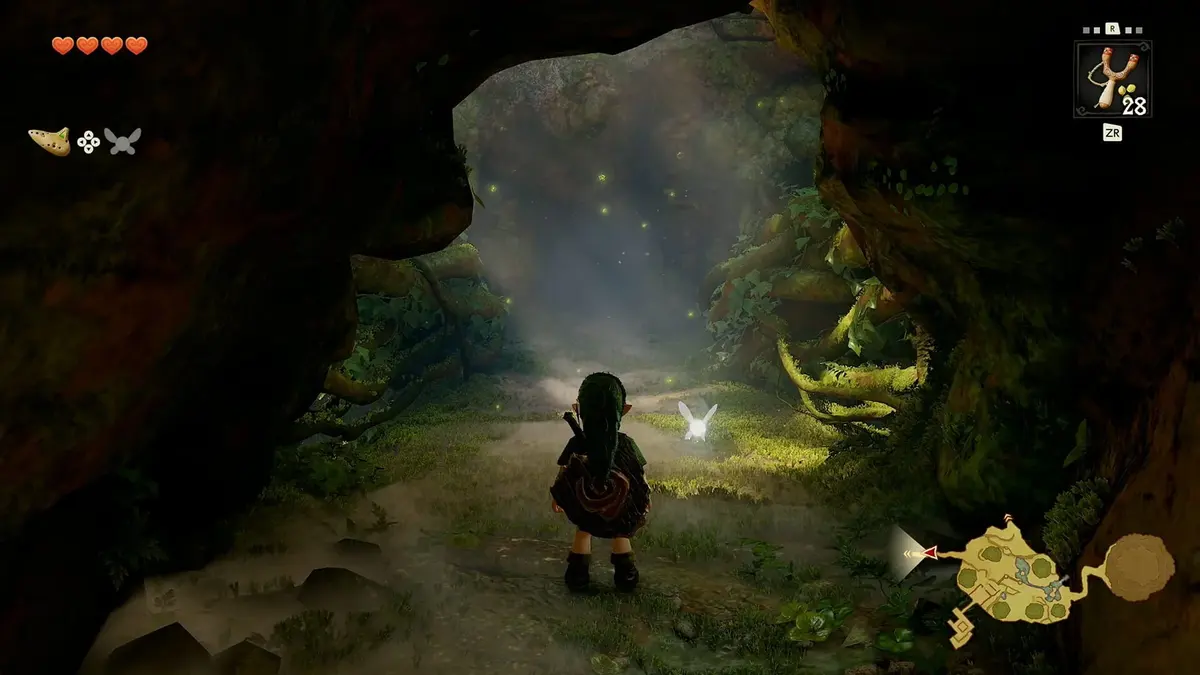
So the loading screens stand out because Nintendo has drawn a bizarre line. Free camera movement is acceptable. A quest log is acceptable. New traversal inputs are acceptable. Enlarging Hyrule Castle Town is acceptable. Yet a short fade between Kokiri Forest and Hyrule Field suddenly becomes a sacred relic. That is not a coherent philosophy. It is selective nostalgia dressed up as preservation.
Three Seconds Matter Because Nintendo Made Them Matter
The strongest defense of the decision is also the easiest one to understand: the load is brief. Around three seconds is negligible in the grand scheme of an adventure that can stretch across dozens of hours. Players will not spend half their evening staring at the Triforce logo. Anyone claiming that this single screen makes the remake unplayable is manufacturing outrage.
Still, players are right to focus on it. Nintendo did not quietly leave a tiny transition in the build and move on. Aonuma explained it as intentional. The moment the company gives a technical-looking compromise a grand creative justification, the compromise becomes symbolic. It tells players what kind of remake Nintendo believes it is selling.
That message matters at $59.99. A Switch 2 remake can respect the Nintendo 64 game’s geography, mood, encounters, and progression without recreating every limitation that came with cartridge-era memory management. Players are being asked to pay for a modern production with modern visuals, revised systems, expanded spaces, and contemporary controls. Expecting smoother movement between major areas is hardly an unreasonable demand.
The Real Issue Is Nintendo’s Refusal to Explain the Trade-Off
Nintendo has not clearly said whether these transitions exist for art direction, map structure, world streaming, production scope, or some combination of all four. That silence is why the “essence” explanation has landed so badly. It sounds like a conversation-stopper, a neat phrase meant to end a question that deserves a clearer answer.
If the remake’s areas are designed as separate, dense spaces with different lighting, assets, and gameplay states, say that. If the transition helps preserve the timing of the original game’s entrances and reveals, explain that specific pacing goal. If loading between zones allows Nintendo to push Hyrule Field, Kokiri Forest, and Hyrule Castle Town further visually, then make that case openly. Players can respect a trade-off when the trade-off produces something tangible.
Instead, the current framing invites the ugliest possible reading: that Nintendo wanted the cheaper or simpler structure of segmented zones, knew players expected a seamless Switch 2 presentation, and chose nostalgia as the shield. I am not saying that is definitively what happened. I am saying Nintendo has left enough blank space for that interpretation to thrive, and it has done so while asking fans to celebrate a limitation as heritage.
The Visual Debate Makes the Loading Debate Harder to Ignore
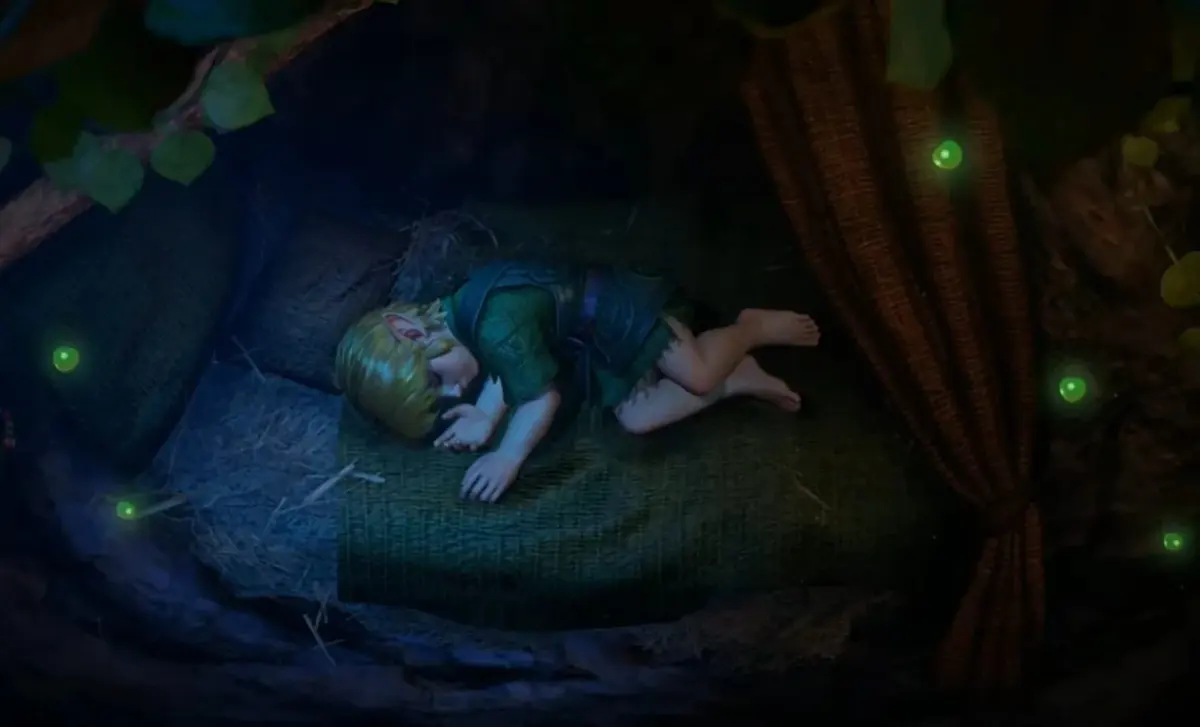
The reaction to the remake’s visuals has already been mixed, especially around Link’s updated appearance. Some players love the cleaner, more stylized direction. Others wanted a different kind of visual leap and have spent the reveal comparing it to the glossy “Unreal Engine Zelda” mock-ups that circulate online. I have little patience for judging an entire art direction from freeze-frames and reaction clips, but the broader anxiety is understandable.
Players are trying to figure out what this remake wants to be. Is it a lavish reconstruction that uses Switch 2 power to make a familiar Hyrule feel newly alive? Is it a careful reinterpretation that keeps the original’s cadence intact? Or is it a polished version of the same old framework with a handful of modern conveniences attached? The loading screens have become the clearest clue because they sit directly between the game’s new presentation and its old skeleton.
That is why dismissing the backlash as whining over three seconds misses the whole argument. The Triforce icon in the corner is small. The choice behind it is not. Every time Link moves from one iconic space to another, the remake will remind players that Nintendo deliberately decided where modernization stops.
Preservation Requires Better Judgment Than Copying Friction
I want Nintendo to preserve Ocarina of Time’s identity with real conviction. Keep the shape of its world. Keep the distinct character of its locations. Keep the sense of wonder that comes from stepping into Hyrule Field after the tighter opening in Kokiri Forest. Keep enough of the original pacing that the remake still feels like The Legend of Zelda: Ocarina of Time rather than a generic modern adventure wearing familiar clothes.
But preservation is an act of judgment, not a photocopier setting. A great remake knows the difference between design and baggage. The original game’s essence lives in the places it takes players, the discoveries it lets them make, and the emotional turns it earns. It does not live in a mandatory pause while the next area loads.
For now, I would wait to see how frequently those breaks appear across the full game before treating Nintendo’s November 5 release as an automatic purchase. A three-second screen may remain a harmless blip, or repeated transitions may constantly chip away at the momentum of moving through Hyrule. Nintendo has made the tension unavoidable: how much old friction can a remake preserve before “faithful” starts feeling like an excuse for holding the adventure back?
FinalBoss // Gear
Level up your setup
01Retro consoleson Amazon→028BitDo controllerson Amazon→03Capture cards (Elgato & more)on Amazon→04Discounted game keyson Kinguin→Affiliate links · As an Amazon Associate, FinalBoss earns from qualifying purchases.
Want to Level Up Your Gaming?
Get access to exclusive strategies, hidden tips, and pro-level insights that we don't share publicly.
Ultimate Gaming Strategy Guide + Weekly Pro Tips