
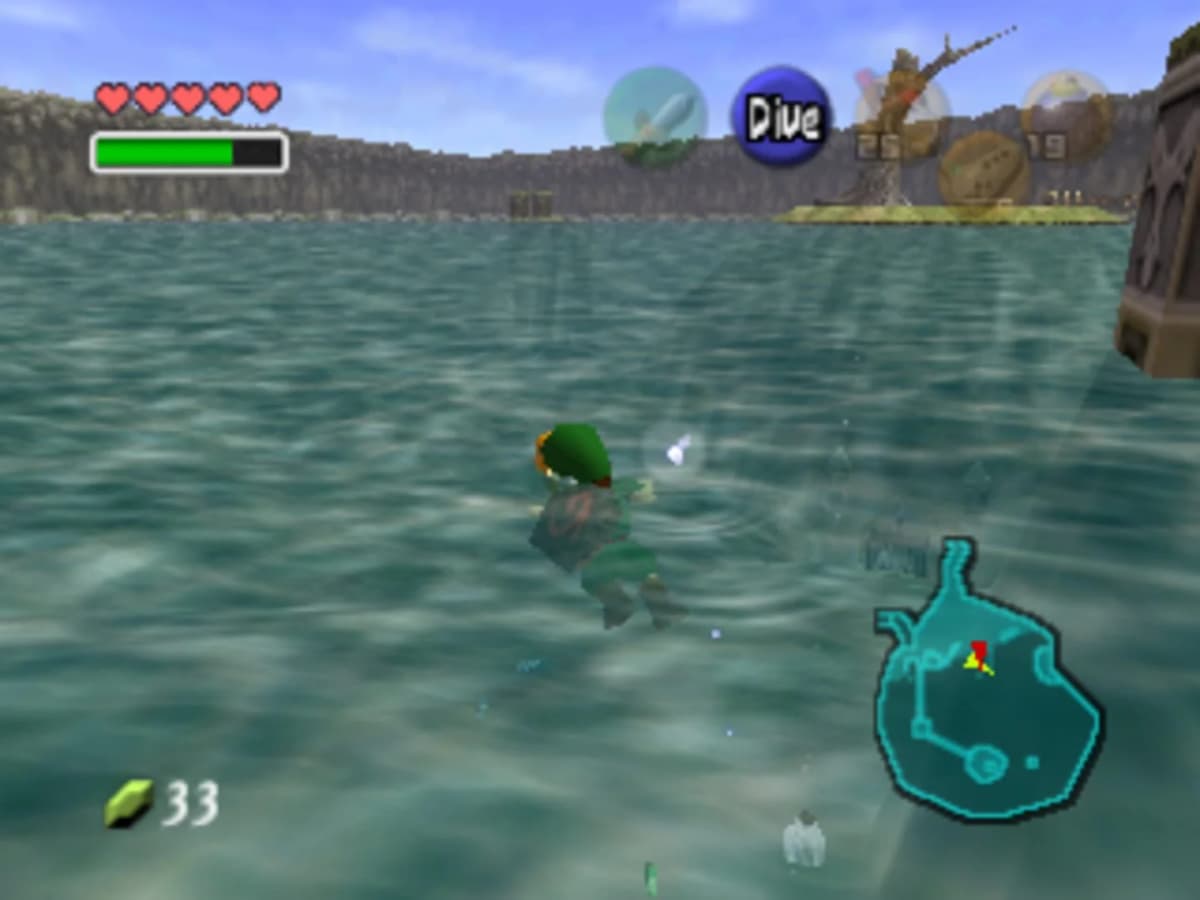
Nintendo finally announced a full The Legend of Zelda: Ocarina of Time remake for the Switch 2, locked in for a 2026 release window. On paper, that should read as an unambiguous win. This is one of the most influential games ever made getting a generational overhaul on modern hardware, complete with updated lighting, physics, and whatever Nintendo thinks “definitive” means in the current era. I should be pacing my living room. Instead, I watched the Nintendo Direct through my fingers, because I already knew what came next.
CryZENx’s Unreal Engine fan remake-ten years of work-was dead before the presentation even ended. Not because Nintendo’s legal team fired off a cease-and-desist. Because they didn’t have to. The mere existence of an official product announcement was enough to make the project radioactive. That is a infinitely more disturbing scenario than a DMCA takedown. At least a takedown is a conversation. This was a preemptive surrender, and it says everything about how lopsided the relationship between Nintendo and its most passionate preservationists has become.
Table of Contents (4)
The Chilling Effect Nobody Needed a Lawyer For
We’ve spent years watching fan projects operate in a specific gray zone. Stay non-commercial. Don’t sell anything. Keep your head down, release no playable demos that can be held up against official products, and maybe-maybe—Nintendo lets you live. The community aftershock from this cancellation proves that gray zone is shrinking. Nintendo didn’t touch CryZENx. They didn’t need to. The risk calculus flipped the second that teaser showed a redesigned Young Link in higher-fidelity visuals. When a billion-dollar corporation announces it’s moving into your neighborhood, you don’t wait for the eviction notice. You pack.
And that’s the part that stings. This wasn’t some sloppy asset flip or a quick cash grab. This was a decade-long act of love, built in Unreal Engine, kept free, kept quiet. The fact that it could be abandoned instantly tells every other fan developer the same thing: if Nintendo even hints at remaking a title you care about, your project is on borrowed time. Timelines matter now. If an official remake drops within two or three years of your announcement, you built a target, not a tribute.
What the Poll for a New Target Really Means
CryZENx is already polling followers on what to remake next. That poll isn’t just fan engagement. It’s a survival mechanism. The community is trying to triangulate which classics Nintendo is too indifferent to touch themselves. Star Fox? Maybe. Wind Waker already got its HD treatment, so that’s off the table. The logic is brutal: pick a game Nintendo has left to rot in its vault for decades, because those are the only safe harbors left for ambitious fan work.
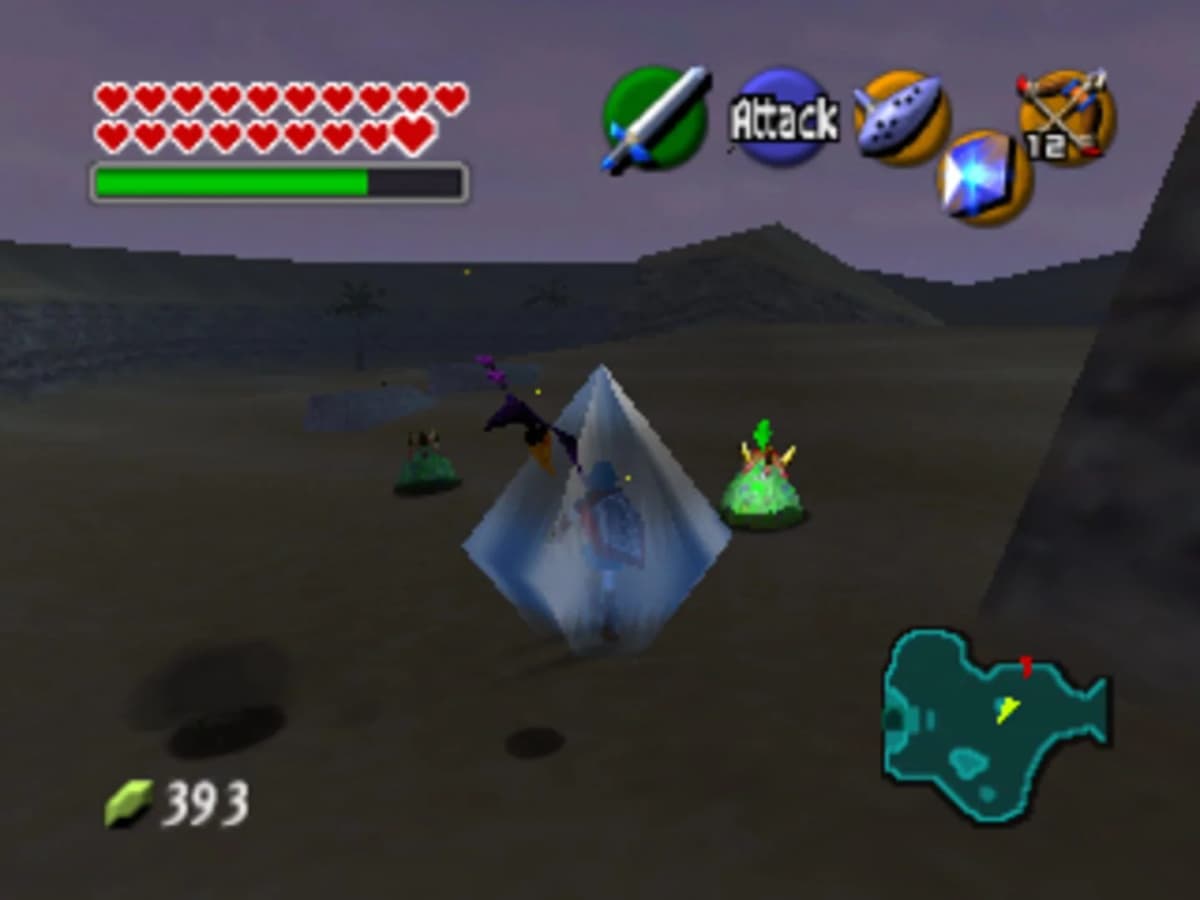
This is what broken trust looks like in practice. Creators aren’t asking “what do I love?” They’re asking “what won’t get me bulldozed?” That’s a miserable way to approach preservation. It rewards neglect. The more Nintendo ignores a franchise, the safer it is for fans to celebrate it. Meanwhile, the crown jewels—the games that actually shaped the medium—are walled off behind corporate release windows and vague teaser trailers.
When “Definitive” Starts Looking Like a Threat
Here’s where my feelings get genuinely conflicted. I want this official remake to be good. The 3DS version from 2011 proved there’s room to modernize Ocarina of Time without stripping its personality. But the Switch 2 teaser showed a Young Link that looks more realistic, more generic, less like the expressive low-poly hero I grew up with and more like a porcelain doll. The visual direction is chasing something between faithful and contemporary, and I’m not convinced Nintendo knows where the line is.
It doesn’t help that Nintendo quietly altered hidden product-page wording that some fans had interpreted as promising a faithful Nintendo 64 remake, swapping it out for softer, more generic language. That small edit lands like a warning. It suggests even Nintendo isn’t sure how faithful this will be, or that “faithful” was never the goal. The promise of a “definitive” overhaul sounds incredible until you realize it might mean rewriting the art direction, smoothing out the weird edges, and losing the fog-drenched atmosphere that made 1998 Hyrule feel so specific.
I keep thinking about what we lost. CryZENx’s project was built by people who understood the original’s geometry and wanted to honor it with modern fidelity. Now we don’t get to compare. We don’t get to see what a community-driven “definitive” version looks like next to Nintendo’s corporate interpretation. We’re just expected to wait until 2026 and accept whatever version gets printed on cartridges.
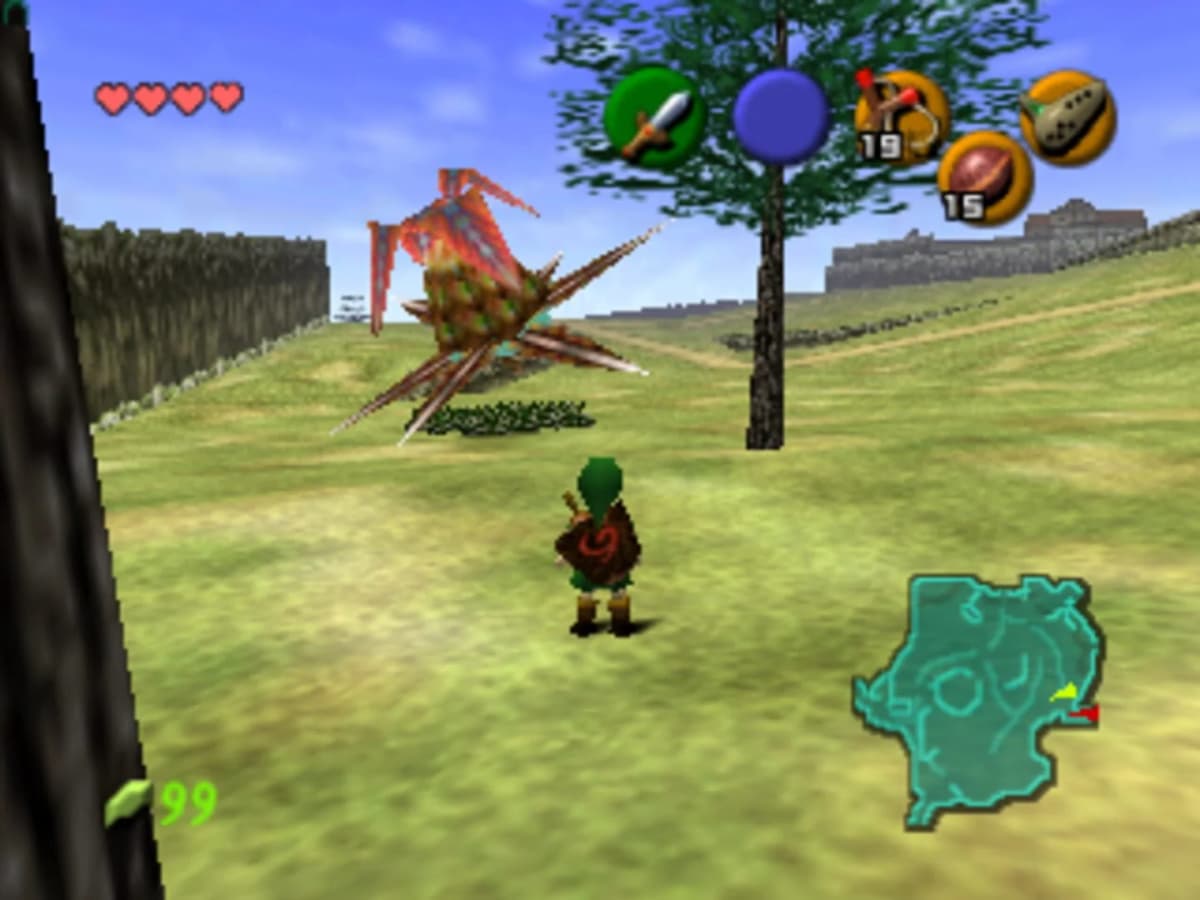
The New Fan Dev Playbook
If there’s a practical takeaway from this mess, it’s that the old rules of fan development have been rewritten by fear. Stay strictly non-commercial, because monetization is the fastest way to draw legal heat. Never release playable demos or public trailers that can be directly compared to official products. Most importantly, shut up. Limit your YouTube updates, reduce your public footprint, and pray your project stays invisible enough to survive.
That advice is technically sound and spiritually depressing. Fan remakes thrive on community. They need testers, feedback, visible passion. Telling creators to go underground is telling them to starve the very ecosystem that sustains ambitious work. But after watching a ten-year project evaporate in the shadow of a two-minute teaser, what choice do they have? Visibility is now a liability. Passion is a risk factor.
Nintendo has every legal right to protect its intellectual property. I won’t argue otherwise. But there’s a difference between protecting your work and creating a climate where preservationists are too terrified to finish what they started. The Ocarina of Time Switch 2 remake will sell millions. It will look glossy on new hardware. It might even restore cut content or integrate debated elements fans have wanted for years. I hope it does. But the version built by someone who loved the game enough to spend a decade rebuilding it—without a paycheck, without a trademark, without a safety net—that version is already gone. And the rest of the scene just got the message.
CryZENx is already polling for his next target, and the rest of the fan development scene is taking notes. Stay non-commercial. Release no demos. Keep your head down. And whatever you do, don’t build something beautiful for a game Nintendo might decide to monetize in the next two years. The Ocarina of Time remake isn’t just a product announcement anymore. It’s a warning shot. Nintendo gets to rewrite its history on its own terms, and the community just learned that pouring a decade into preserving it means nothing when the teaser drops.
FinalBoss // Gear
Level up your setup
01Retro consoleson Amazon→028BitDo controllerson Amazon→03Capture cards (Elgato & more)on Amazon→04Discounted game keyson Kinguin→Affiliate links · As an Amazon Associate, FinalBoss earns from qualifying purchases.
Want to Level Up Your Gaming?
Get access to exclusive strategies, hidden tips, and pro-level insights that we don't share publicly.
Ultimate Gaming Strategy Guide + Weekly Pro Tips