
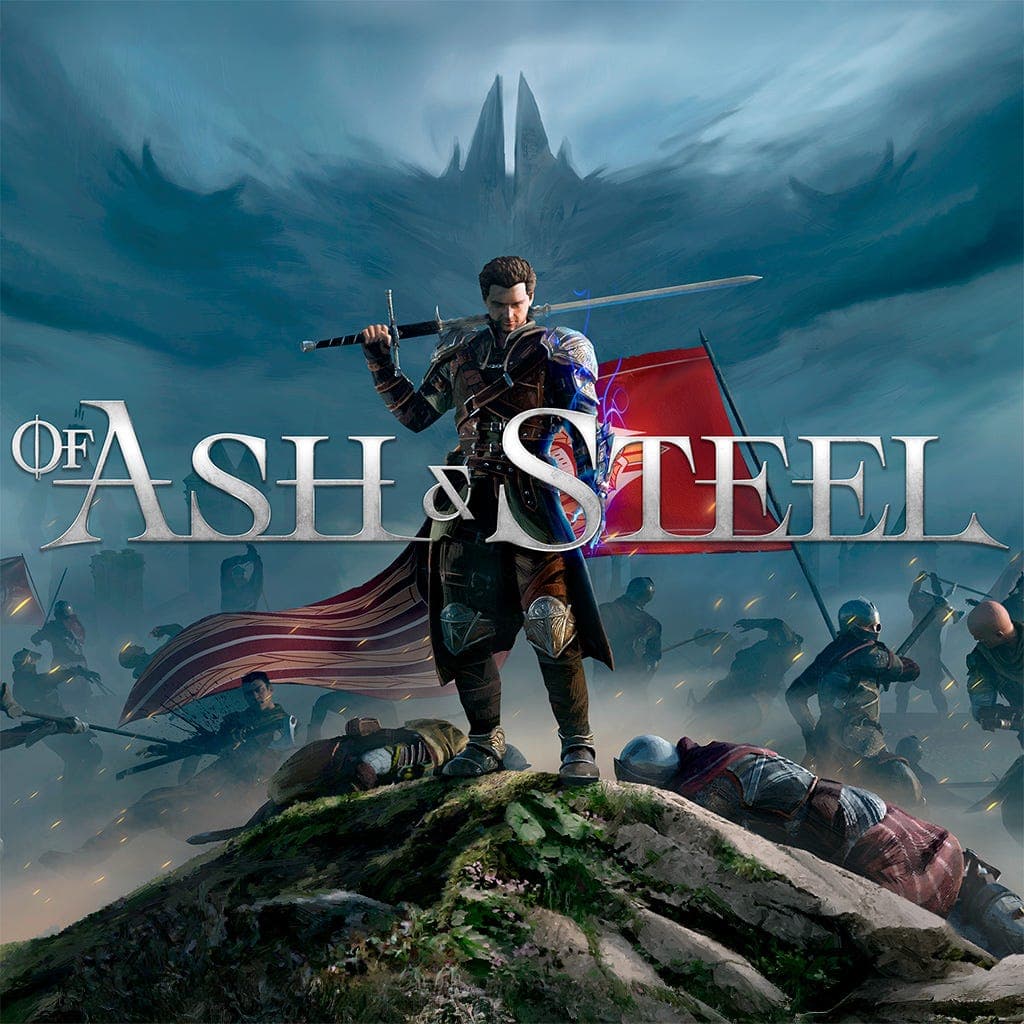
Of Ash and Steel: The RPG Bridging The Witcher 3 and Kingdom Come, But Will It Deliver?
Game intel
Of Ash and Steel
Of Ash and Steel is an immersive third-person open-world RPG created by a passionate team that values the essence of classic old-school RPGs and modern designs…
The New Challenger: Why Of Ash and Steel Stands Out
When a new RPG announces its inspiration list reads like a who’s who of genre titans-The Witcher 3, Kingdom Come Deliverance, even a nod to Gothic-you can’t help but wonder if it’s baiting veterans like me or genuinely aiming to join the pantheon. Of Ash and Steel, showcased at the gamescom FYNG conference, caught my eye thanks to its bold promise: an immersive medieval world that tosses away modern handholding. As someone who spent hours hopelessly lost (and loving it) in Bohemia and the monster-riddled wilds of Velen, I’m genuinely intrigued. But also, immediately skeptical-we’ve all heard these vows of “hardcore immersion” before. So, is this just more smoke, or is developer Fire & Frost actually onto something?
- No quest markers, no magic hero syndrome: You’re not the “chosen one”, and the map won’t lead you by the nose.
- Hardcore progression: Skill earns everything—you’ll barely hold a sword at first.
- Dynamic NPCs: Townsfolk that react and evolve with your reputation, not just stand-in quest dispensers.
- Combat that means business: Think steep learning curve, with technical swordplay and room for mastery.
Old-School DNA, Modern Ambition—Can It Work?
Let’s start with the pitch. The devs aren’t shy about tipping their helmets to the “classic” RPG crowd. They cite Gothic as a touchstone—a game that, if you played it back in the early 2000s, you’ll remember as both janky and ahead of its time. Gothic stood out for not caring about your hero status. You were dumped in a brutal world, barely able to swing a rusty sword, and left to fend for yourself. Of Ash and Steel wants that energy, eschewing modern tropes of glowing questlines and overpowered protagonists.
Will today’s players welcome that? Truthfully, not everyone will—and that’s kind of the point. Games like Kingdom Come Deliverance actually proved that there’s still a hardcore audience hungry for authenticity, even if it means initial frustration. Of Ash and Steel’s setting, the so-far mysterious “Kingdom of Seven,” promises rich medieval flavor minus the supernatural overkill (magic, the devs say, is rare and elitist, not for you to spam at will).
No Handholding, For Better or Worse
Here’s what makes this approach risky—and potentially brilliant. If Of Ash and Steel really cuts out quest markers, that’s a bold move in today’s market of glowing breadcrumbs and minimap clutter. It could lead to genuine discovery or just old-school frustration.
I still remember sighing over how many modern RPGs have turned into checklist simulators—go here, kill that, collect this—without ever letting you lose yourself in their worlds. If Fire & Frost sticks to their guns, players will have to immerse themselves, memorize locations, read clues, and earn their progress. Exploration becomes personal, with moments of “Where the hell am I?” turning into satisfying victories when you finally uncover a secret.
Of course, nostalgia can be a trap. Without careful design, these systems can feel dated or simply unfair, and if there’s not enough subtle guidance, getting lost turns from fun to tedious. The proof will be in how intelligently the world is built—does curiosity lead to reward, or just aimless wandering?
The Combat and Character Progression: Real Challenge or Just Unforgiving?
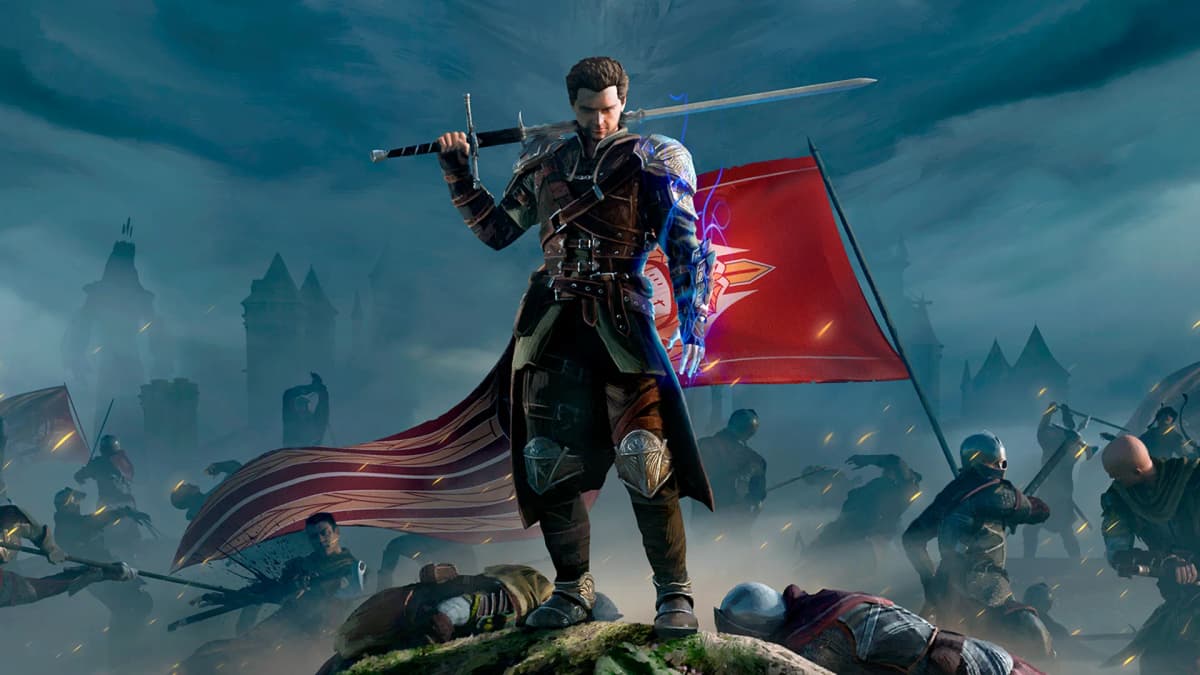
The other big swing is in the combat and progression systems. Swinging a two-handed sword is described as “something you’ll barely manage” in the beginning—your character doesn’t start as Geralt 2.0 but a fumbling nobody. Skill points and practice shape your fighter over time, letting you decide to be a survivalist, craftsman, or warrior. It’s not just flavor; skills like cooking, potion-mixing, or even how good you sleep at a campfire all have mechanics attached.
Combat aims for technical, weighty encounters—blocking from all angles, using strikes and kicks to destabilize foes, then pulling off dynamic execution moves. As a fan of punishing but fair systems (shoutout to Mortal Shell or older Soulsborne games), I love the idea. But let’s be real: this stuff is hard to get right. Fake difficulty, wonky inputs, or poorly telegraphed attacks can sink immersion faster than a misjudged parry.
I’m crossing my fingers here because if they nail the feel—combat with a genuine learning curve—it could be a standout feature. If not, we’ll have another medieval slog where the challenge feels cheap instead of earned. That’s a line too many “realistic” RPGs have failed to walk.
Want to Level Up Your Gaming?
Get access to exclusive strategies, hidden tips, and pro-level insights that we don't share publicly.
Ultimate Gaming Strategy Guide + Weekly Pro Tips
NPCs With Memory: Promising, But Skeptical
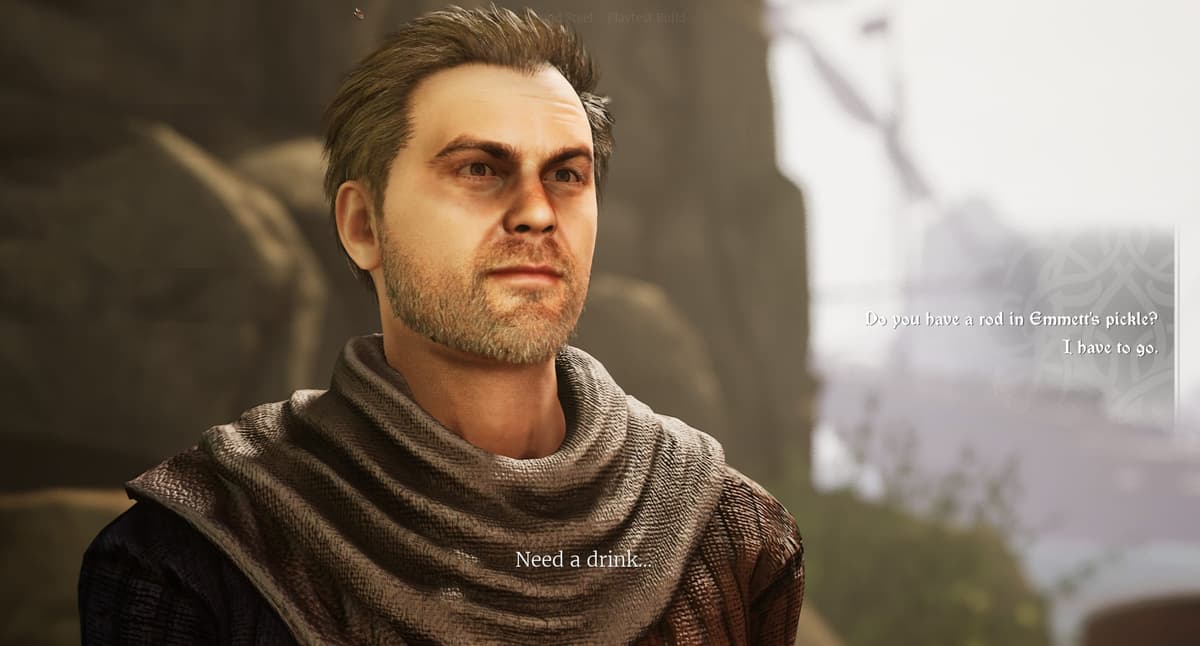
Maybe the most ambitious promise? Towns and villages where NPCs don’t just blob around, but actually track your actions and reputation. The lead writer claims that your social status—from peasant to renowned figure—unlocks unique story branches and dialogue. If you’ve been burned before by “living world” claims that boil down to two recycled lines and some awkward stares, you share my wariness. Developers have talked this game up, but until I see a tavern brawl turned into a full narrative detour, I’ll hold my applause.
TL;DR
Of Ash and Steel looks determined to blend the uncompromising spirit of Gothic, the authenticity of Kingdom Come, and the rich worlds of The Witcher—without easy shortcuts. Its focus on skill-based progression, no quest markers, and evolving NPCs could finally bring back the sense of challenge and discovery old-school RPG fans crave. But big ambition means big risks, and whether it delivers satisfying, fair difficulty remains to be seen. If you’ve been missing real immersion, put this one on your radar—but temper expectations until we see if it can really walk the walk.