
Oirbo’s Silent Saga: A Bold, Text-Free Metroidvania
Game intel
Oirbo
Explore a labyrinthian spacecraft and discover its mysteries and purpose. Help Oirbo navigate a metroidvania inspired, hand-drawn, 2D action-platformer full of…
Every now and then a Metroidvania arrives that shakes up a formula we’ve seen a hundred times. Oirbo’s claim to fame? Zero dialogue or text—everything you learn comes from its environments and motion. That’s a daring departure in a genre built on cryptic logs and NPC whispers. As someone who’s charted every pixel in the classics, I’m both intrigued and cautious. Let’s break down what Oirbo gets right, where it might trip up, and whether its art-first approach pays off in gameplay depth.
A Bold Silence: Wordless Storytelling
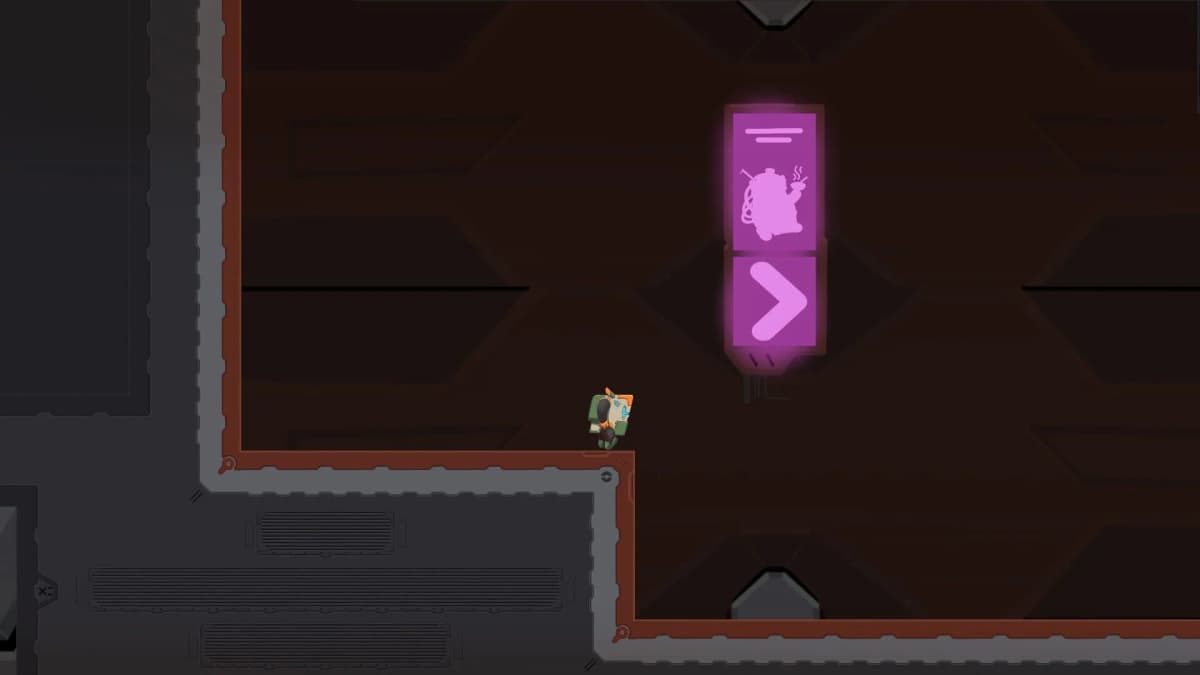
Oirbo abandons cutscenes, dialogue boxes and lore entries, relying entirely on hand-drawn visuals to convey mood, backstory and objectives. You’ll read room layouts, environmental hazards and enemy animations to piece together why the spaceship you’re exploring went dark. For newcomers, this means no tutorials to wade through. Veterans, however, will want to test if intuitive level design can truly replace the narrative breadcrumbs we’ve come to depend on.
Bringing a Hand-Drawn Ship to Life
The art style is Oirbo’s strongest selling point. Each corridor, control room and reactor core is painstakingly animated, evoking the same craftsmanship that powered hits like Hollow Knight and Ori. Dynamic lighting, shifting color palettes and environmental storytelling hint at past events—overheated pipes leak steam in abandoned sectors, malfunctioning drones flicker in derelict hangars. If you’re an art lover, traversing this world feels like living inside a moving sketchbook.
Puzzles, Abilities, and Non-Linear Exploration
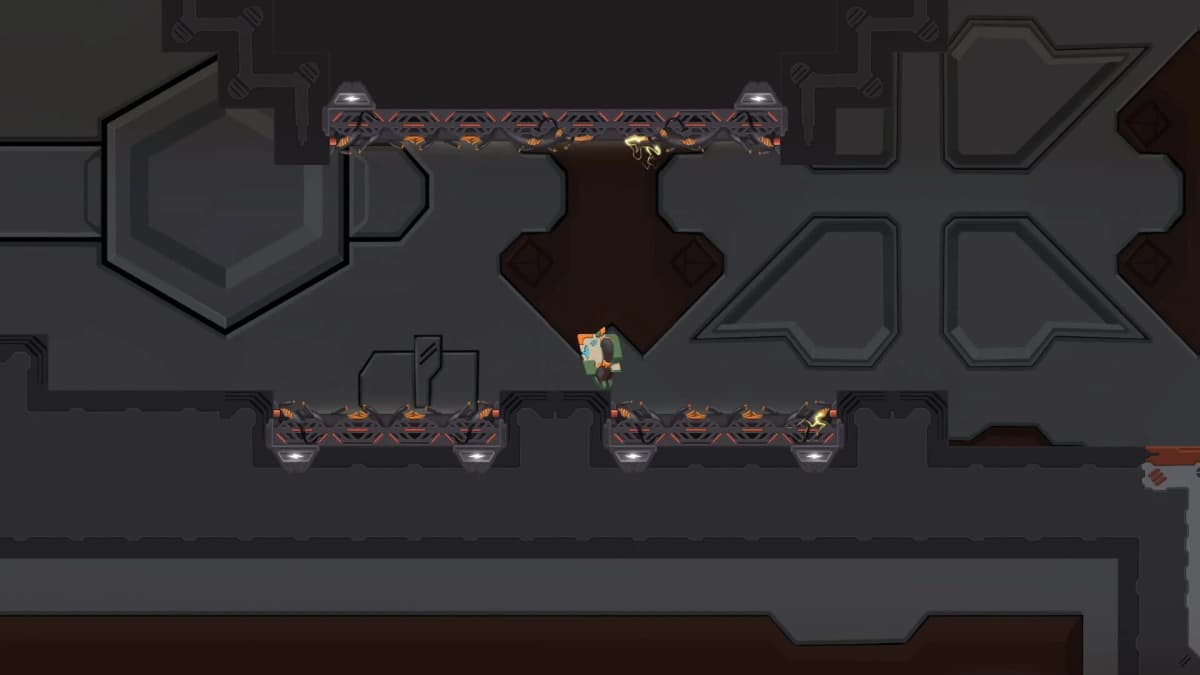
Underneath the visuals lies a foundation of classic Metroidvania mechanics: puzzle gates, ability-based progression and secret passages. Early upgrades—think dash bursts or double jumps—open new routes in previously impassable areas. You’ll reroute power conduits, manipulate gravity switches and navigate timed-platforming sequences. Whether these challenges evolve into fresh patterns or start to repeat will determine if Oirbo sustains your curiosity for its full 10–20 hour span.
Want to Level Up Your Gaming?
Get access to exclusive strategies, hidden tips, and pro-level insights that we don't share publicly.
Ultimate Gaming Strategy Guide + Weekly Pro Tips
Combat and Controls: Tension Without Text
Responsive inputs are vital when you can’t rely on pop-up prompts. Oirbo promises tight keyboard and controller support, with combat centered on enemy telegraphs and precise timing. A handful of boss encounters punctuate your journey—each demands you learn attack patterns and exploit brief openings. Success hinges on how natural the movement feels, whether jumps land with the right weight and if parries and dodges deliver consistent feedback.
Value Proposition and Audience Fit
At around $17.50, Oirbo sits in familiar indie territory. It’s not trying to outpace sprawling map-heavy epics; its niche is pure atmosphere and discovery through design. Players who relish environmental storytelling and visual puzzles will find this approach refreshing—and universally accessible without language barriers. Those craving in-depth lore or explicit guidance may feel adrift without text to anchor them.
Final Thoughts: A Cult Classic in the Making?
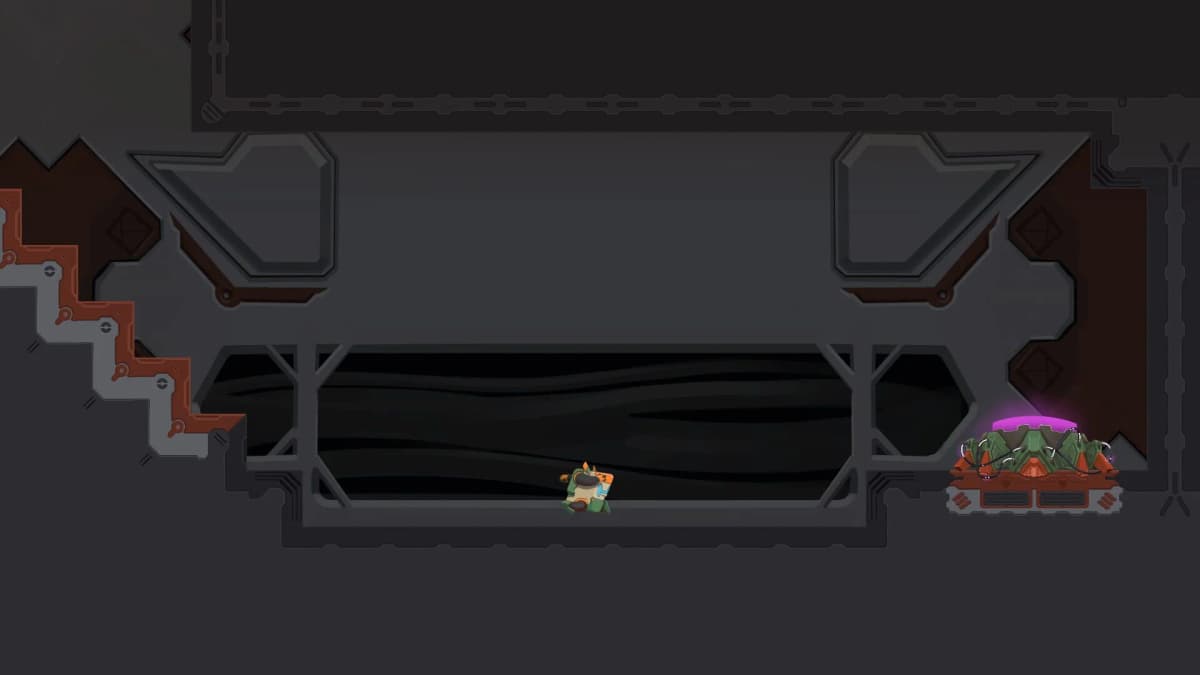
Oirbo’s silence is its greatest gamble. If ImaginationOverflow nails the balance between art, level design and evolving mechanics, this spaceship could become a must-play indie. But style can’t completely overshadow substance: if hidden clues prove too obscure or encounters too similar, the novelty may wear off. For Metroidvania fans tired of expository dumps, Oirbo offers a lean, visual-first adventure—one that could inspire future developers to trust players’ eyes over their mouths.