
Table of Contents (8)
OLED on a budget: why this matters to gamers right now
OLED gaming laptops used to be a flex purchase for people willing to pay through the nose for perfect blacks and punchy color. That’s changing fast. Mid-range machines equipped with Nvidia’s mobile RTX 5060 are now hitting price points that once felt impossible for OLED – roughly $1,100 to $1,500 – and that shift reshapes what “good value” means for portable PC gaming in 2026.
This caught my attention because the last time OLED trickled down it transformed what I expected from “mid-range” laptops: suddenly, contrast and color fidelity weren’t exclusive to six-figure price tags. A recent big discount on an RTX 5060 model shows retailers are willing to get aggressive on price, and broader market moves – including policy and console promotions — are nudging hardware sellers toward more frequent deals.
Key takeaways
- OLED panels are appearing in sub-$1,500 gaming laptops, bringing true high-contrast screens to mid-range buyers.
- Lenovo Legion 5 Gen 10 is the best pure value OLED pick but uses a glossier, more reflective panel.
- Acer Predator Helios Neo 16S AI costs more but offers a less glossy screen and higher GPU upgrade paths (RTX 5070/5070 Ti options).
- RTX 5060 mobile GPUs paired with DLSS make these laptops capable at 1080p/1600p without breaking the bank.
Breaking down the two laptops worth watching
Lenovo Legion 5 Gen 10 — value king, with one caveat
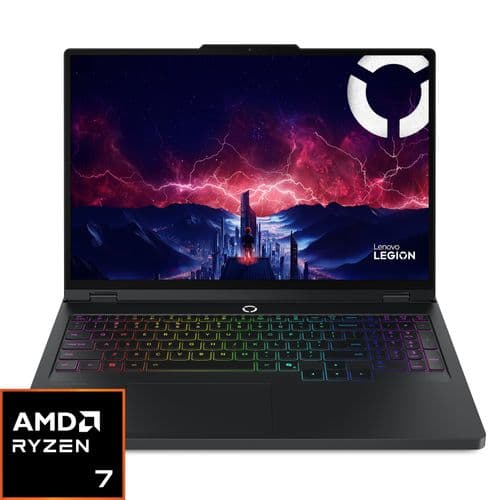
The Legion 5 Gen 10 keeps cropping up at price cuts and it’s easy to see why. For gamers who prioritize picture quality per dollar, this model is the best entry-level path to a real OLED panel. Configurations with the RTX 5060 land squarely in that sweet $1,100-$1,300 range during sales, and Lenovo even offers higher-end GPU options if you want to step up later.
That said, the Legion’s OLED is noticeably glossier and more reflective than the alternatives. If you play in bright rooms or near windows you’ll see glare in dark scenes — the panel looks spectacular in dim or controlled lighting, but it’s not the best choice if you need daylight visibility. Performance-wise, the RTX 5060 is a solid partner: expect smooth 1080p and good results at 1600p with frame-generation/upscaling tricks.
Acer Predator Helios Neo 16S AI — pricier, but more flexible
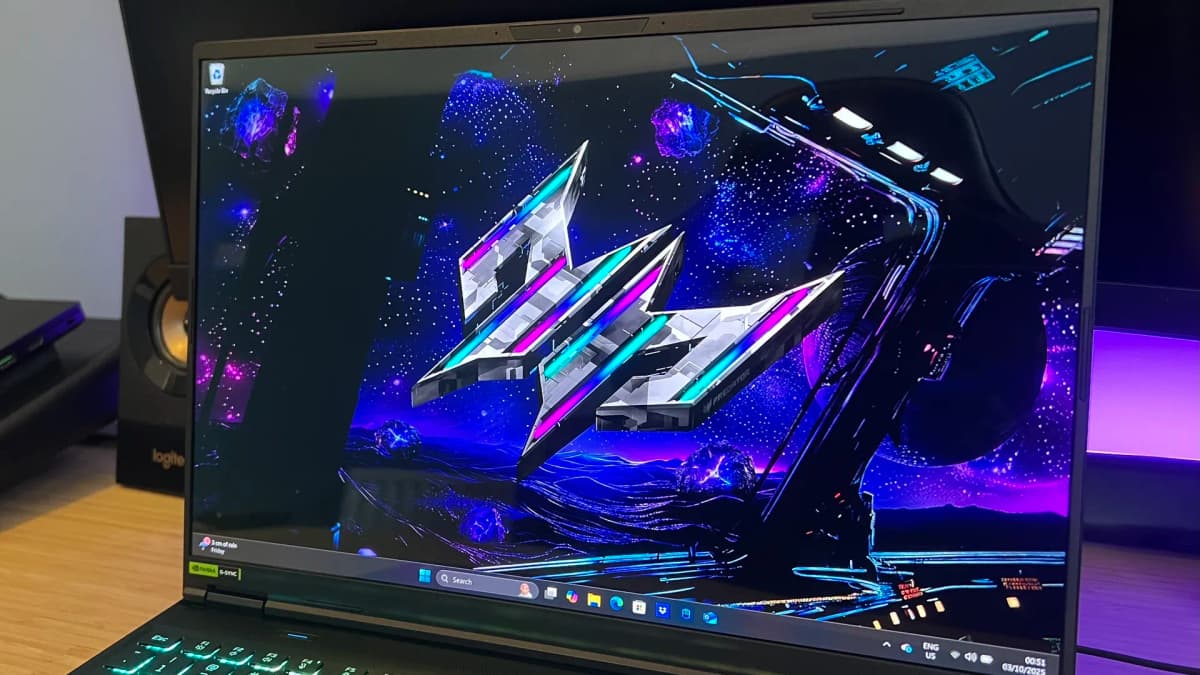
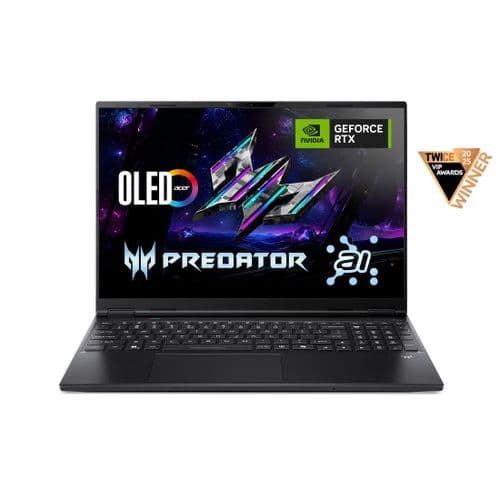
Acer’s Helios Neo sits a bit above the Legion in price — think closer to $1,400-$1,600 for OLED models — but it compensates with a less glossy panel and stronger GPU options up to RTX 5070 Ti. If you’re frequently gaming in brighter conditions or want a sturdier upgrade path for raw raster performance, the Predator is the safer bet.
In hands-on comparisons, the Helios variants keep colors and contrast while cutting down annoying reflections, which matters more than you might expect in day-to-day use. The trade-off is cost: you’re paying more for a more practical OLED and a GPU that makes higher framerate targets easier without leaning as hard on DLSS.
Market context: discounts, tariffs, and console promos
Why are we seeing these OLEDs creep into mid-range? A few forces are at work. Retailers have been slashing prices on RTX 5060 machines — we’ve seen $300 discounts push that GPU into the ~ $1,100 territory — which encourages manufacturers to match price expectations across the board. On top of that, a recent U.S. Supreme Court ruling about past tariffs introduces uncertainty around import costs; it’s plausible that easing some trade pressure could lower component price volatility over time, though the real effects will take months to play out.
Meanwhile, aggressive console trade-in promos show retailers are ready to move hardware inventory with bold discounts. That environment makes it easier for laptop makers to run competitive offers — and it creates a better moment for buyers to snag an OLED without paying flagship premiums.
What you should actually buy
If you primarily game on a laptop screen and value image quality, prioritize an OLED — the Legion 5 Gen 10 is the best value if you can manage lighting and want the cheapest path to punchy blacks. If you play in mixed lighting or want a clearer upgrade route for raw performance, spend a little more on the Acer Predator Helios Neo 16S AI.
If you plan to dock the laptop to an external monitor most of the time, save the OLED money and invest in a stronger GPU or faster ports instead. An IPS panel plus a better GPU will usually beat a middling OLED setup when you’re playing on a proper desktop monitor.
TL;DR
OLED is no longer a flagship-only feature. Lenovo’s Legion 5 Gen 10 offers the best OLED value if you can live with a glossy panel; Acer’s Predator Helios Neo 16S AI costs more but gives a less reflective screen and higher-end GPU options. Retail discounts and broader market moves have pushed RTX 5060-equipped OLED laptops into the $1,100-$1,500 range — a good moment to buy if you want high contrast without flagship pricing.
FinalBoss // Gear
Level up your setup
01Top-rated gaming headsetson Amazon→02High-refresh gaming monitorson Amazon→03Gaming chairson Amazon→04Discounted game keyson Kinguin→Affiliate links · As an Amazon Associate, FinalBoss earns from qualifying purchases.
Want to Level Up Your Gaming?
Get access to exclusive strategies, hidden tips, and pro-level insights that we don't share publicly.
Ultimate Gaming Strategy Guide + Weekly Pro Tips