
On Steam, Hades II Doubles Up — The Real Story Behind Its 1.0 Surge
Game intel
Hades II
Battle beyond the Underworld using dark sorcery to take on the Titan of Time in this bewitching sequel to the award-winning rogue-like dungeon crawler.
Hades II’s 1.0 surge actually matters
This caught my attention because Hades II didn’t just have a big launch-it sustained and then topped its own Early Access momentum. Per SteamDB, the 1.0 release pushed near 113,000 concurrent players on Steam, outpacing its already wild Early Access peak (around 103,000) and leaving the original Hades’ ~37,700 all-time Steam peak in the dust. That’s rare air for a single-player roguelite, and it says as much about how Supergiant built trust as it does about the sequel’s quality.
- The 1.0 bump confirms real retention, not just curiosity clicks.
- Day-one presence across Steam, Epic, and Nintendo Switch amplified the moment.
- Supergiant’s Early Access playbook paid off again-bigger, bolder, more confident.
- Numbers are great, but the sequel’s smarter systems will keep players returning.
Breaking down the numbers (and why they’re different this time)
The original Hades built its audience slowly: Early Access on Epic in 2018, breakout awards in 2020, and a staggered console rollout. Hades II arrived with a built-in fanbase and modern streamer zeitgeist on its side. The 1.0 spike to ~113k doesn’t come out of nowhere-it’s the sequel effect plus a smoother runway: months of EA updates, rock-solid word of mouth, and a launch window that didn’t pit it against a Call of Duty or Elden Ring-sized storm.
Steam concurrency is only one lens, but it’s a useful one. A second spike at 1.0 usually means players aren’t just trying it—they’re coming back. The reviews reflect that too: players are praising the breadth of content and the way Supergiant pays off story threads without losing the “one more run” hook.
The real story: smarter systems, stronger identity
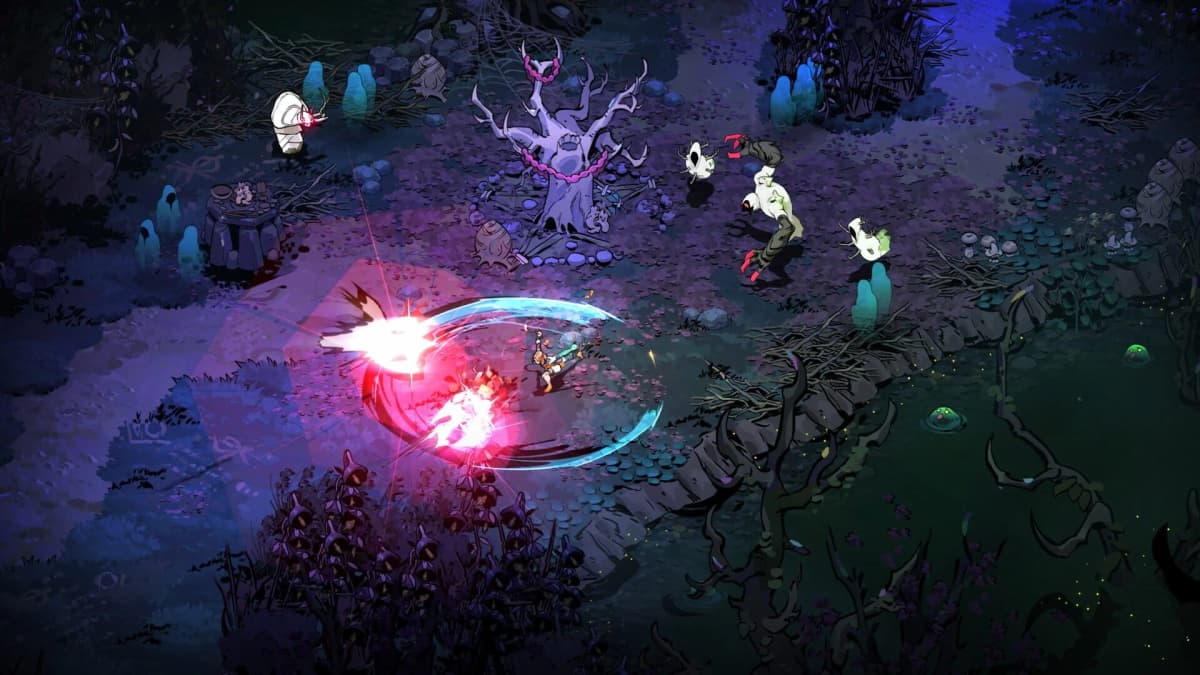
Hades II doesn’t coast on the Zagreus formula. Melinoë changes the tempo. Her kit leans into witchcraft—Omega attacks, resource gathering and crafting between runs, and those Hex-like modifiers that let you steer difficulty and playstyle. The sequel gives you more agency before you set foot in a biome, and it’s better about rewarding experimentation mid-run.
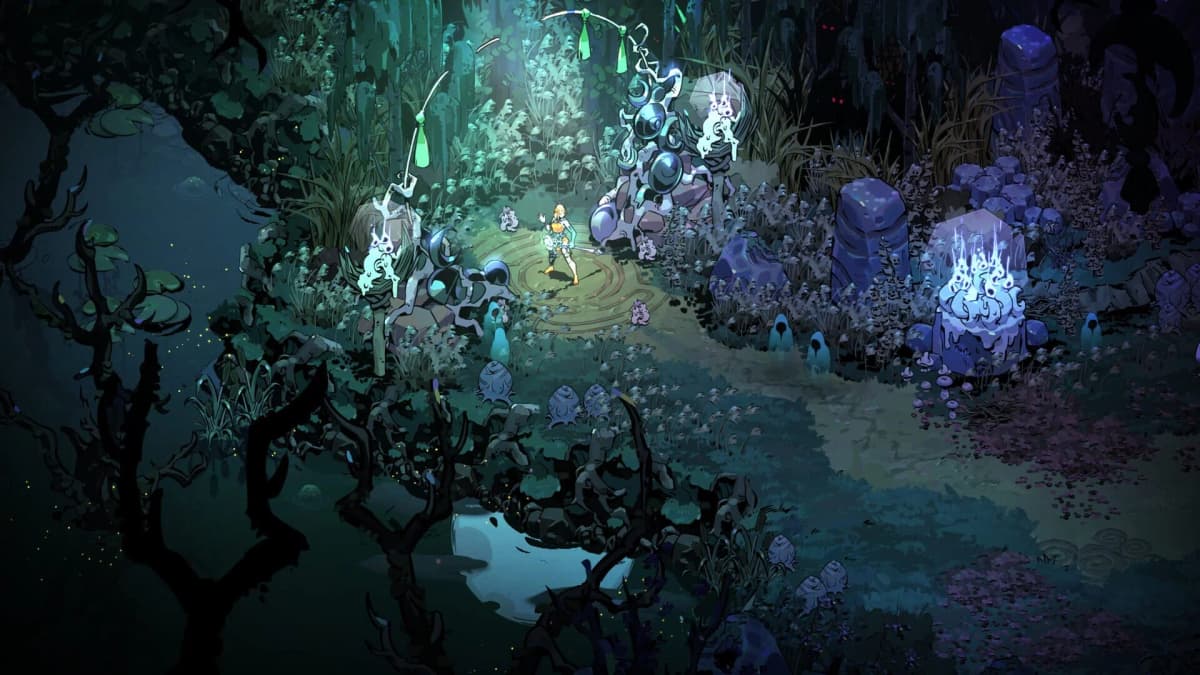
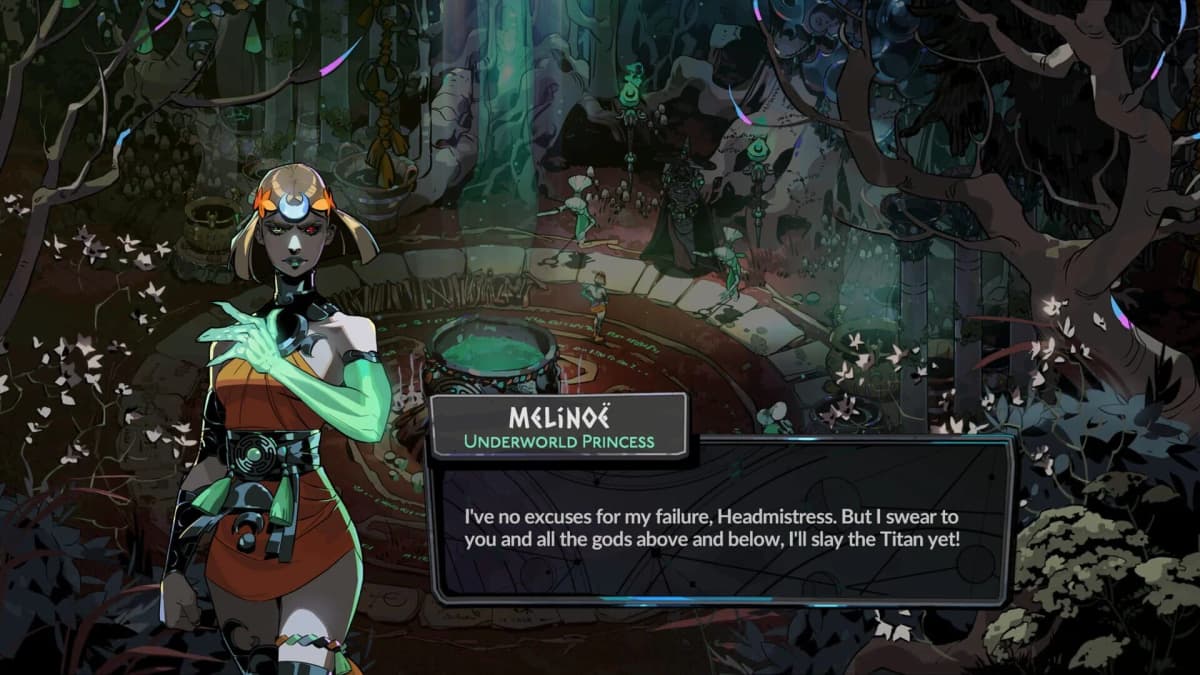
That’s the difference that keeps a roguelite fresh at hour 30 instead of hour 10. Where the first game was astonishingly tight, Hades II is confidently broad: more voiced characters, more environmental variety, and a story that moves forward even when your run doesn’t. Supergiant’s writing still drips personality, but it’s the cadence—narrative crumbs after nearly every attempt—that makes “failure” feel like progress. As someone who sprinted through Hades’ epilogue and then felt the post-credits grind, Hades II feels built to keep the loop rewarding for longer.
Platform reality check: where to play and why
Availability on Steam and Epic plus a 1.0 drop on Nintendo Switch matters. The first Hades didn’t have this clean, consolidated moment; the sequel did, and you can feel it in the charts. If you care about maximum responsiveness and visual clarity, the PC version still rules—mouse/keyboard or controller, take your pick. On Switch, it’s the convenience play: perfect for couch runs and commutes. Expect the usual trade-offs in resolution and framerate versus a decent PC, but it’s a strong portable fit. The important bit is that players across ecosystems are part of the conversation at the same time, which compounds hype and keeps concurrency buoyant.
Healthy skepticism: what could slow it down
Not everything is a slam dunk. Roguelites live and die by balance; a few dominant builds can flatten the meta, and late-game tuning will need ongoing love. There’s also the risk of feature sprawl—Hades II adds a lot between-run systems, and piling on complexity can turn off players who loved the first game’s razor focus. Finally, concurrency highs don’t equal long-term stickiness. The real test is whether the curve plateaus or drops off a cliff in a few weeks.
The good news: Supergiant’s track record is patch, iterate, listen. They did it during Early Access, and there’s no reason to expect that cadence to stop now.
Why this matters beyond the scoreboard
Hades II’s surge isn’t just a win for a beloved studio—it’s a win for single-player-first design in a market that still chases live-service whales. A $30-ish premium game that respects your time, tells a compelling story, and plays like silk can still dominate Steam’s front page. That’s the signal I care about. It means developers can greenlight ambitious, narrative-rich roguelites without bolting on battle passes or daily FOMO chores. More of that, please.
TL;DR
Hades II’s 1.0 launch nearly hit 113k concurrents on Steam, topping its EA peak and obliterating the original’s record. The sequel earns it with smarter systems, broader content, and a confident identity—plus a platform lineup that amplified launch-day buzz. Keep an eye on balance and long-tail retention, but right now, this is the rare sequel that actually deserves the bigger spotlight.