
Table of Contents (8)
A creator-first store that might actually change the rules
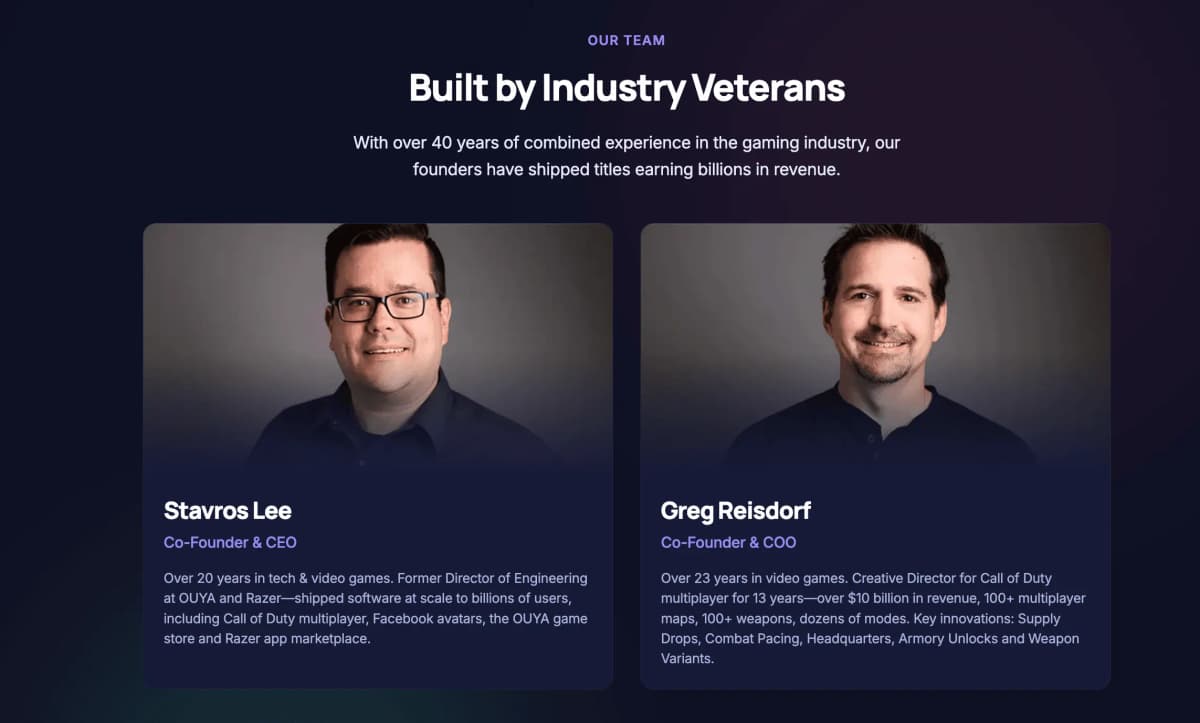
Oncade.gg just rolled out its Creator Founder Program, pitching a simple idea with big implications: let influencers and streamers sell games directly, get paid in real time with no fees, and do it all from a personalized storefront that doesn’t funnel everything back to Steam or a console store. It’s launching off some momentum-30 games in 30 days, a $4M seed round led by a16z CSX, and 21 studios already on board. That caught my attention because we’ve seen creator link schemes before (Epic’s Support-A-Creator, Nexus stores), but instant payouts and dev-approved keys with legit promotional tooling? That could be more than another “use my code” banner.
Key Takeaways
- Creators get personalized storefronts, dashboards, and promo assets-plus real-time, no-fee payouts if Oncade’s rails work as promised.
- Developers sell direct and keep more control, building affiliate campaigns without surrendering 15-30% store cuts.
- The catalog is growing, but it’s early. Without recognizable games, creator stores won’t convert.
- There’s a blockchain/stablecoin angle here; great for speed, tricky for perception and compliance.
Breaking down the announcement (and why it’s different)
Oncade’s pitch is direct-to-consumer distribution with creators as a first-class channel, not an afterthought. The Creator Founder Program packages a few things that usually live in separate tools: a storefront you can actually brand, a dashboard that shows what content drives sales, and a library of ready-to-use promotional assets. The headline promise is real-time, no-fee payouts-meaning creators shouldn’t be waiting 30-60 days for affiliate money. If you’ve ever chased down a payment from an affiliate network, you know why that matters.
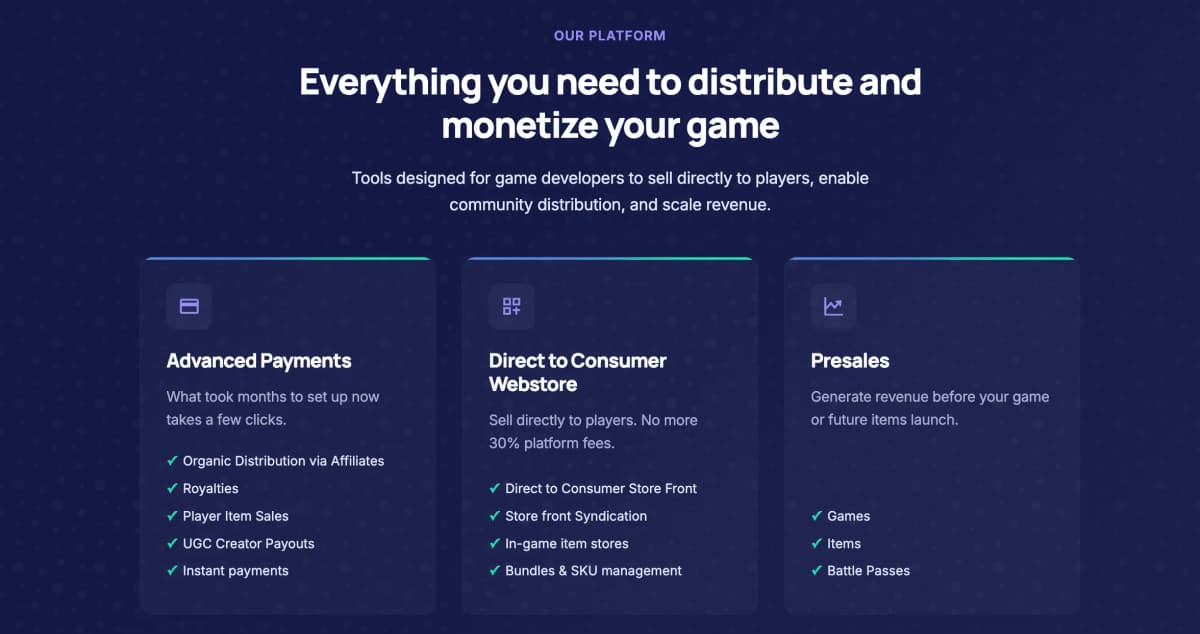
The idea isn’t brand-new. Nexus.gg let creators run game stores; Humble widgets and itch.io made direct sales viable; Epic’s program pushed codes across the mainstream. What’s interesting here is stacking all of that into one flow where devs and creators meet on neutral ground—with Oncade handling keys, payouts, and operational headaches. If they can keep fees truly near zero for creators while giving devs granular levers (custom campaigns, bundles, dynamic discounts), that’s a meaningful upgrade.
How it stacks up against existing creator programs
Support-A-Creator mostly rides on existing platform stores; good reach, limited control. Nexus works well when a game opts in, but discovery lives or dies on the catalog. Oncade’s gamble is to be the place where both sides want to operate: devs sell direct (often via Steam keys right now) and creators turn content into verifiable sales with better tracking and instant payout. The friction point is obvious: if there aren’t enough games players recognize, creators won’t push it. Oncade points to a “30 games in 30 days” milestone and 21 studios in the program, which is a solid start—but to break out, they’ll need a few mid-tier hits that stream well and convert impulse buys.
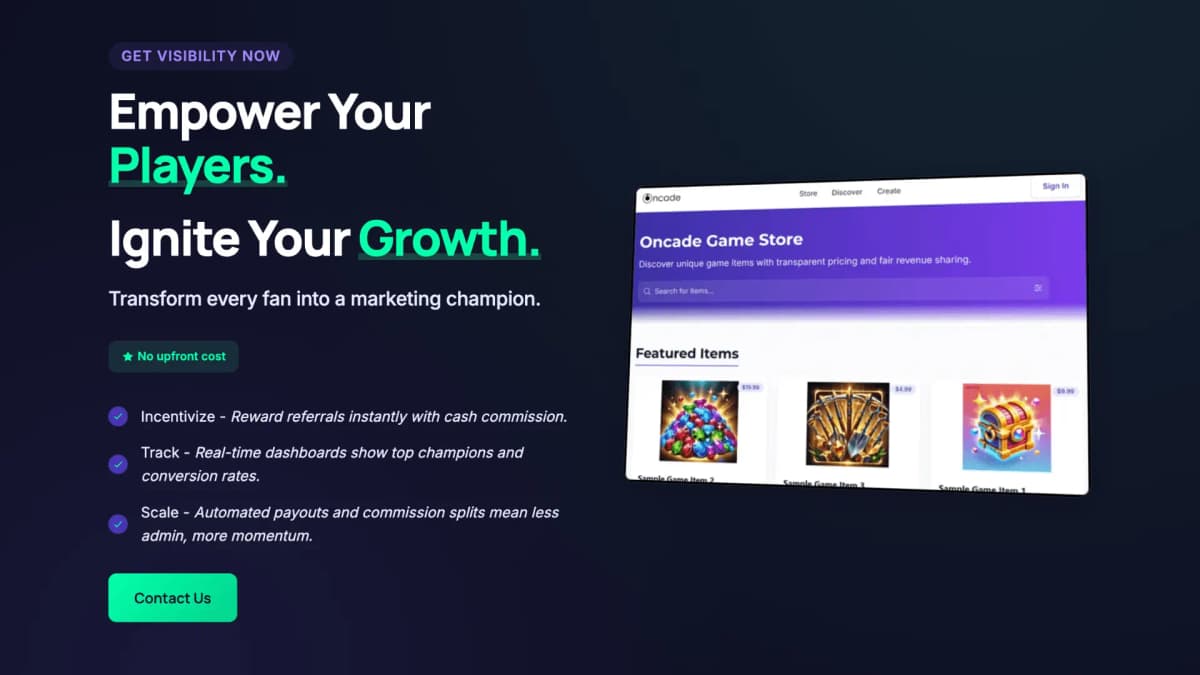
For indies frustrated with 30% store cuts and noisy storefronts, this model is appealing. Imagine a tower defense roguelite that kills on TikTok; a creator’s store could bundle the base game with exclusive cosmetics, and the dev sets a generous rev share to kickstart momentum. That’s the kind of targeted, measurable push traditional platform pages rarely deliver.
The crypto elephant in the room
Oncade’s infrastructure reportedly leans on a stablecoin-backed system to enable real-time, low-fee payouts. In practice, that’s a double-edged sword. Pros: instant settlement, fewer middlemen, global-friendly rails. Cons: creators will want to know about onboarding (KYC), tax handling (VAT and 1099s aren’t optional), regional pricing, chargeback policies, and whether “no-fee” means “no platform fee” or “no fees at all.” We’ve all lived through crypto-flavored promises that buckled on compliance or UX. If Oncade is serious about mainstream adoption, they’ll need painfully clear documentation and fiat-friendly options that don’t spook audiences.
What this means for gamers, not just creators
Players get a few tangible perks: potentially better prices (because fewer cuts), creator-driven bundles, and a clean way to support your favorite streamer without buying into a sketchy gray market. The “legit key from the developer” angle is crucial—nobody wants a G2A déjà vu. Still, fragmentation is a risk. If you’re buying Steam keys through Oncade and items via a separate marketplace, support and refunds need to be seamless. If Oncade nails fast refunds, clear ownership, and straightforward key delivery, it could feel like buying via a Humble widget—just plugged straight into creator ecosystems.
What I’ll watch next
A few proof points will determine whether this is a real shift or another well-funded experiment: transparent revenue splits for creators and devs, a published refund and chargeback policy, strong regional pricing, and a couple of standout games that prove creators can move serious units here. The $4M seed from a16z CSX gives Oncade runway, but the business model has to surface eventually—are “no-fee” payouts a limited-time incentive, or the plan long-term?
If Oncade can keep creators paid instantly, give devs control, and avoid the crypto baggage in the user experience, it has a lane. The industry is drifting toward direct-to-community everything—Patreon for funding, Discord for live ops, UEFN for creation. A storefront that sits in the middle and actually behaves like modern software, not a 2010 web form, is overdue.
TL;DR
Oncade’s Creator Founder Program is a smart swing at creator-led game sales: personalized stores, real-time no-fee payouts, and dev-approved keys. It’ll matter if the catalog grows and the “no-fee” promise survives contact with compliance, refunds, and real-world payouts. If they stick the landing, this could be the first creator store that actually feels built for 2025.
FinalBoss // Gear
Level up your setup
01Capture cards (Elgato & more)on Amazon→02USB microphoneson Amazon→03Gaming keyboardson Amazon→04Gaming deskson Amazon→Affiliate links · As an Amazon Associate, FinalBoss earns from qualifying purchases.
Want to Level Up Your Gaming?
Get access to exclusive strategies, hidden tips, and pro-level insights that we don't share publicly.
Ultimate Gaming Strategy Guide + Weekly Pro Tips