
OnceLost ditches Unreal Engine 5 for a homebrew engine — promising big performance wins
Game intel
The Wayward Realms
Under the direction of Ted Peterson and Julian LeFay, lead developers of the team behind the original Elder Scrolls, Arena and Daggerfall, OnceLost Games is cr…
Why this move actually matters for players
The Wayward Realms just made a gutsy change: OnceLost Games – led by Bethesda veterans Ted Peterson and the late Julian LeFay – is leaving Unreal Engine 5 and building a proprietary engine. That’s not a cosmetic swap; the studio claims real-world benefits players have been asking for: smoother framerates on old laptops and even first-gen Switch hardware, radically faster map loads, and built-in public mod support. If those claims hold up, this could reshape expectations for ambitious indie open-world RPGs-but it’s also a high-risk pivot months into development.
- This caught my attention because Peterson and LeFay gave us Daggerfall and Oblivion; they’re not novices chasing a tech fad, they’re trying to solve a design problem UE5 wasn’t fitting.
Key takeaways
- OnceLost is swapping Unreal Engine for a proprietary engine to gain control over performance and tools.
- The studio claims 30+ FPS on decade-old laptops and first-gen Switch, plus sub-second loads for massive maps.
- Mod support is a priority: scripting inspired by C# aims to welcome the Daggerfall Unity community.
- The change pushes the backer release to June, with public Early Access a few months later — a real delay but a clearer roadmap.
Breaking down the announcement
In a Steam update posted December 1, OnceLost said: “After reviewing the many thoughtful comments we received, we’ve made a major but exciting decision, we are fully transitioning away from Unreal Engine and building our own proprietary engine.” The post promises a developer log early next year and lays out a new timeline: a backer release in June, then public Early Access several months afterward.
On paper the reasons are convincing. The Wayward Realms aims to simulate a sprawling archipelago with over a hundred islands, procedurally generated landscapes, and cities that can contain thousands of NPCs. That’s exactly the sort of scope where off-the-shelf middleware can become a bottleneck — not just for graphical fidelity but for loading, memory, and moddability.
Why now: the practical and the PR
UE5 is both powerful and ubiquitous, but it hasn’t escaped criticism: some studios report hiccups like “UE5 stutter” or a particular uniform look that doesn’t suit every game. For a small team chasing highly specific performance and modding goals, a bespoke engine can be tempting. It gives control over streaming, memory use, and the exact scripting surface you expose to modders.
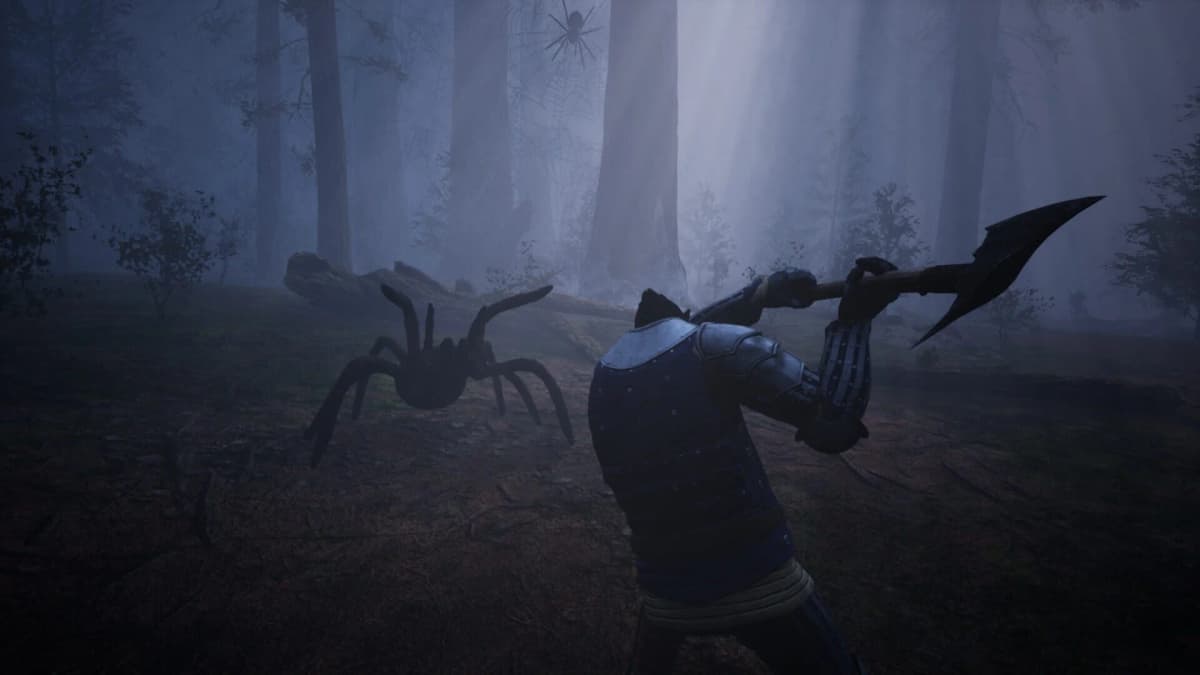
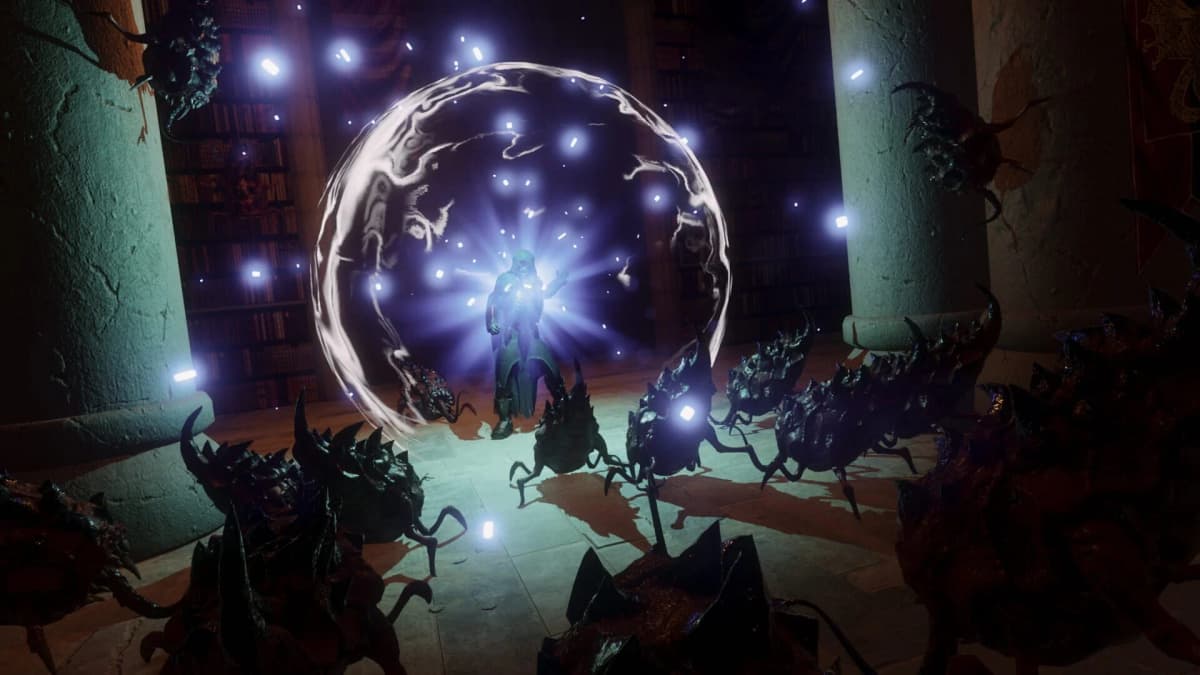
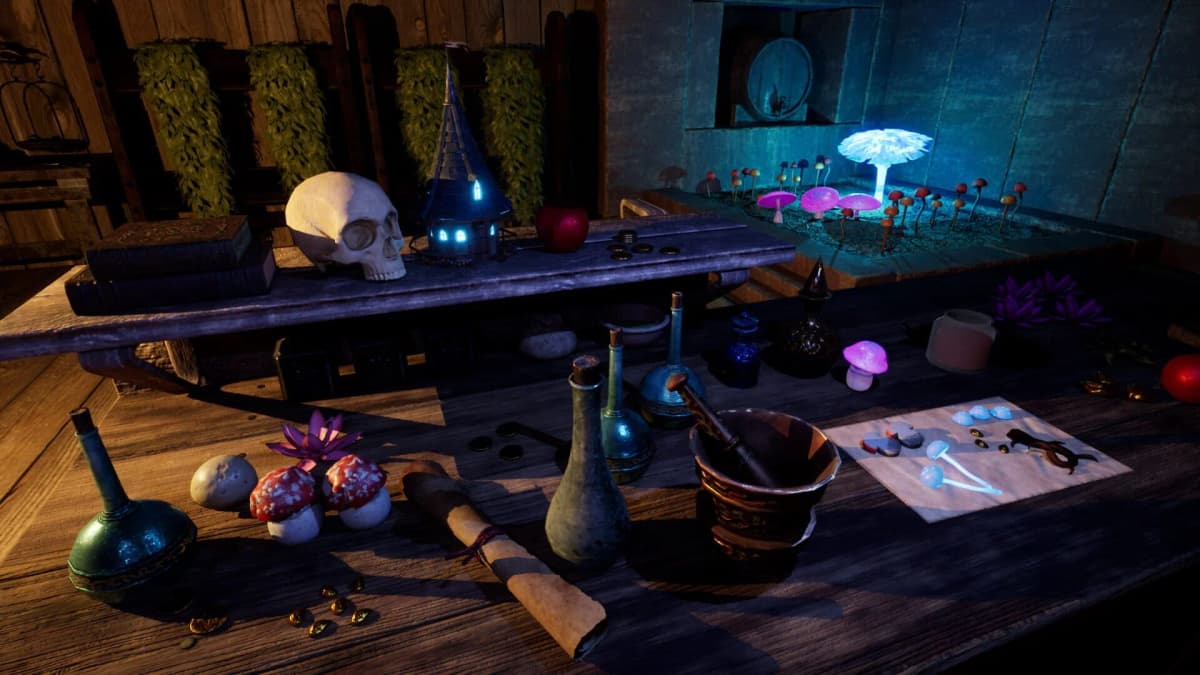
There’s also a PR angle. Saying “we left UE5” addresses community complaints head-on and can earn goodwill among players tired of seeing every indie game wear the same engine fingerprint. The screenshots shared so far still look promising, which helps sell the narrative that this was a technical decision, not just a marketing stunt.
What gamers should be skeptical about
Switching engines mid-development is expensive and risky. A proprietary engine means OnceLost must maintain tooling, editors, exporters, and a modding API — all things Unreal provides out of the box. That work rarely appears glamorous but is crucial for stable, moddable releases. The promises — “30+ fps on decade-old laptops” and “load Eyjar, a static map four times the size of Manhattan, in under one second” — are tantalizing, but they’re claims until independently verified by players or reviewers.
There’s also the human cost. Resource time spent rebuilding systems could otherwise go toward quests, AI, and polish. The timeline shift to June for backers is reasonable transparency, but it’s still a make-or-break moment: delivering smooth performance and mod tools will validate the risk; anything less becomes a cautionary tale.
Want to Level Up Your Gaming?
Get access to exclusive strategies, hidden tips, and pro-level insights that we don't share publicly.
Ultimate Gaming Strategy Guide + Weekly Pro Tips
What this means for modders and the broader RPG scene
Public, scriptable mod support is the single most intriguing promise here. OnceLost says the engine will use “a public scripting language inspired by C# as a tribute to the Daggerfall Unity community.” If they ship an approachable, well-documented modding layer, The Wayward Realms could inherit a vibrant fan-made ecosystem — and that’s where long-term value comes from for an Elder Scrolls spiritual successor.
Looking ahead
The next devlog will be the first real test: can OnceLost show tangible technical improvements and a stable roadmap? If they can demonstrate the claimed load and framerate gains alongside concrete mod tools, this pivot will look visionary. If we get fuzzy promises and another delayed beta, the goodwill will curdle fast.
TL;DR
OnceLost betting on its own engine is a bold, sensible response to the technical needs of a huge, moddable open world — but it’s still a gamble. Backers get a new June target, public Early Access follows months later, and modders are promised an accessible C#-like scripting layer. I’m cautiously optimistic: this could be the kind of smart technical trade-off veteran designers need to realize a Daggerfall-scale dream — provided the engine actually delivers.