
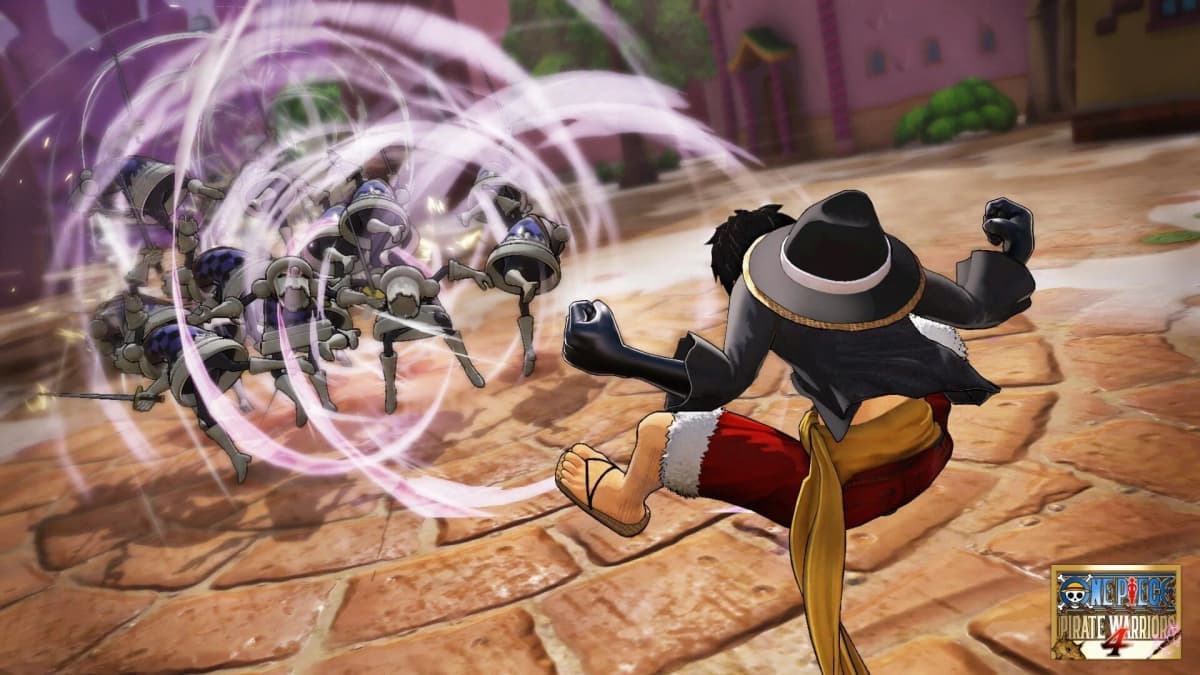
Pirate Warriors 4’s DLC Marathon: Treasure or Trap?
Game intel
ONE PIECE: PIRATE WARRIORS 4
The Pirate Warriors are back and bring with them a more explosive story, more environments and even crazier attacks in ONE PIECE: PIRATE WARRIORS 4. Follow Luf…
Stuck in a DLC Loop? Pirate Warriors 4’s Endless Voyage
When Bandai Namco unveiled yet another season pass for One Piece: Pirate Warriors 4, many fans felt a familiar tug of déjà vu. The promise of fresh fighters, new missions, and glossy skins sits alongside the nagging question: why pour more coin into downloadable content when a genuine sequel remains on the horizon? Is this nonstop DLC drip a treasure trove, or has the franchise dropped anchor on real innovation?
A Familiar Tune: When DLC Replaces Sequels
The practice of extending an anime brawler through waves of add-ons isn’t new. Titles like Dragon Ball Xenoverse 2 and Naruto Ultimate Ninja Storm have stretched their lifespans with character packs and story chapters, sidestepping the risks and expense of ground-up sequels. On paper, the math is simple: the engine is battle-tested, the license secured, and core fans are eager to recruit every hero or villain they’ve ever admired.
Yet there’s a tipping point where “ongoing support” starts to feel like a stall tactic. In a typical franchise cycle, the gap between numbered entries aligns with leaps in technology, design, and narrative scope. But for Pirate Warriors 4, every fresh wave of DLC raises eyebrows: if the current engine still turns a profit, why invest in building something new?
Charting the DLC Waters: Detailed Pack Rundown
Below is an organized look at the major content drops and what they added to the battlefield. While specifics vary per pack, the core pattern remains familiar:
- Rob Lucci (CP0) & Egg Head Arc: A slick rendition of the undercover enforcer plus mission stages inspired by the latest manga chapters. Fans enjoyed the stealth-flavored moves, though some felt the objectives recycled existing layouts.
- Enel & King: Electrifying attacks and beast-warrior flair provided welcome variety. Yet veteran players noted that a handful of animations and combo strings were tweaked rather than reinvented.
- “Z” & Surprise Cameos: The infamous former admiral drew initial excitement, but many hoped for deeper mechanics instead of palette-swap recolors and rerouted action beats.
- Bonus Skins & Soundtracks: Alternate outfits—from pirate garb to formal wear—and custom background music broaden cosmetic choices. These perks shine in galleries but do little to shake up core combat.
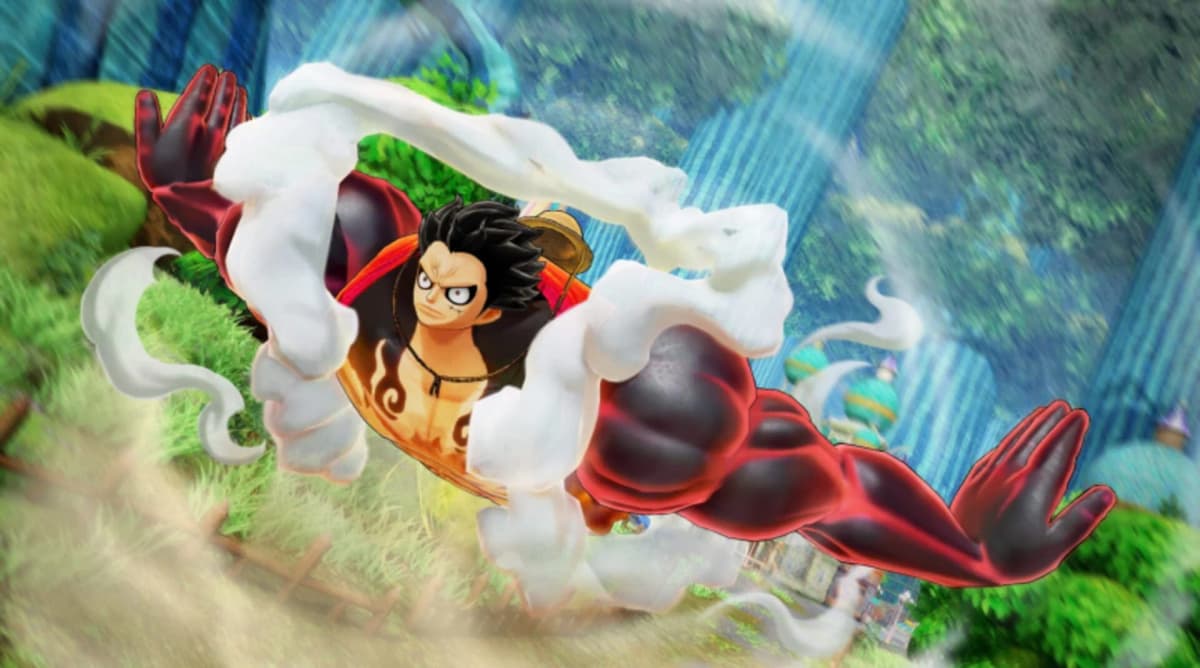
Upcoming rumors whisper heavyweights like Kizaru or an evolved Gear Fourth Luffy. Yet even as names mount, the base game’s structure—mission formulas, stage designs, and underlying engine—remains largely untouched.
Fan Reactions: A Seasick Community?
Online discussions reflect a split crew. On forums such as r/OnePieceGame and Discord channels, some players celebrate each new face, sharing combo tutorials and skin showcases. A typical cheerleader post reads: “Finally unlocked my favorite crew member—these new moves are fire!”
Conversely, more critical voices point to repetitive mission goals, engine hiccups, and lack of narrative cohesion. Comments like “I love the characters, but these maps feel like warmed-over leftovers” or “Why are we still seeing slowdown in boss rushes?” are common refrains. Streamers who once hyped each pack now time how quickly they can blast through content, underlining the thin line between substantial expansion and bite-sized updates.
Value Proposition vs. Franchise Stagnation
From a business standpoint, DLC drip-feeding locks in revenue. Bandai Namco sidesteps the massive research, development, and QA costs of a new engine and leverages an established community hungry for fresh faces. Each character drop doubles as marketing ammunition—generating buzz on social media, YouTube reveal trailers, and fan art.
However, porous goodwill seeps out when updates feel like incremental tweaks to a decade-old formula. Fans who join mid-cycle get a polished, stable product; those who have been here since day one may grow weary of familiar mission templates and unchanged progression loops. Ongoing support is praised when it builds on a strong foundation; it grates when every package recycles the same texture maps and battlefield layouts.
Under the Hood: Engine Strain and Aging Tech
Mechanically, Pirate Warriors 4 delivers satisfying crowd-combat and flashy finishers. Yet you don’t have to search far to find signs of an engine nearing its limits. Frame-rate dips during large-scale clashes, texture pop-ins on distant backgrounds, and occasional hit-registration quirks crop up—particularly when too many special effects illuminate the screen at once.
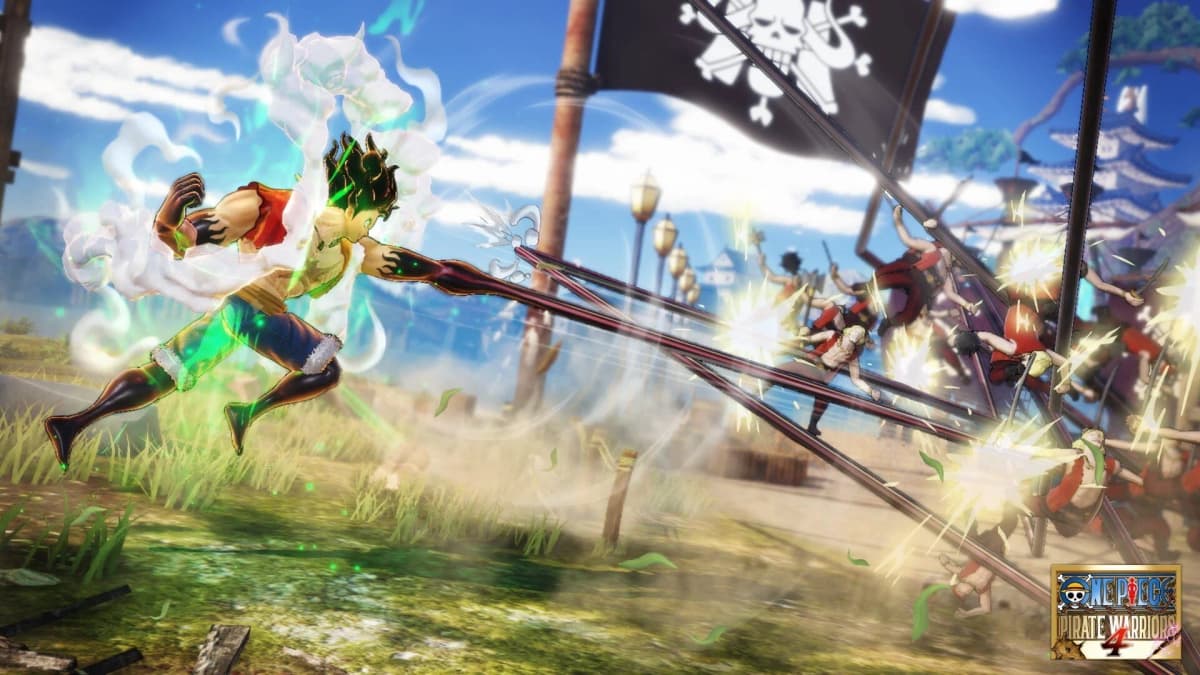
These aren’t game-breaking, but they hint at the hidden costs of a patchwork approach. Fans yearning for dynamic environments, seamless open worlds, or next-gen lighting have to temper expectations. Without a ground-up rebuild, new characters can only mask underlying constraints for so long.
Comparisons: Turning Points in DLC-Driven Franchises
Similar patterns emerge across the gaming seas. Naruto Ultimate Ninja Storm 3 enjoyed years of DLC before its successor surfaced. Major Western series like Assassin’s Creed and Mass Effect have flirted with episodic missions or mini-expansions mid-cycle. Some developers call this “live service lite”—one title, endless islands of content.
Success stories hinge on depth. Take Dragon Age: Inquisition—its expansions overhauled crafting, war table systems, and introduced sprawling new zones. Compare that to an annual sports title that merely rolls out new rosters, and you see why expectations vary. Pirate Warriors 4 sits between: it shakes up pacing with every new fighter but leaves core mission design intact.
Innovating Beyond Roster Drip: Fan Ideas and Developer Hints
Some community members propose bold overhauls. Ideas range from a sandbox mode—where players craft custom skirmishes—to a level editor for sharing user-created stages. On PC, modders have toyed with custom scenarios, but console fans remain bound to official drops.
Developer hints on social channels occasionally allude to prototype tools and engine tests under nondisclosure. If Bandai Namco can allocate even a fraction of its DLC budget toward a robust creation suite, it could reinvigorate engagement. But that requires a shift in resources away from character licensing fees and toward core tech innovation.
The Next Horizon: Is Pirate Warriors 5 on the Horizon?
The million-berry question: will we ever see Pirate Warriors 5? Official statements focus on ongoing support for the current entry, but industry whispers suggest new engines are quietly in development. Building a sequel means weighing R&D costs, fan appetite for major change, and the evolving console generation.
For now, the present course charts more DLC wave announcements. Fans must ask themselves: are you content chasing the final unlockable fighter, or do you hunger for a recommence—sleeker visuals, redesigned combat systems, deeper narrative arcs? The answer will chart the series’ next voyage, steering it toward either an eagerly awaited sequel or yet another endless season pass.
In a Nutshell
Bandai Namco’s relentless DLC tide has kept One Piece: Pirate Warriors 4 afloat well beyond its original lifespan. New faces, missions, and costumes arrive regularly—ideal for completionists who live to master every character. But for those craving fresh engines, revamped systems, and a more cohesive storyline, the perpetual drip of incremental updates can feel like uncharted waters. Whether this strategy sustains fan passion or leaves the community adrift depends on when—or if—the developers finally drop the anchor on a brand-new installment.