
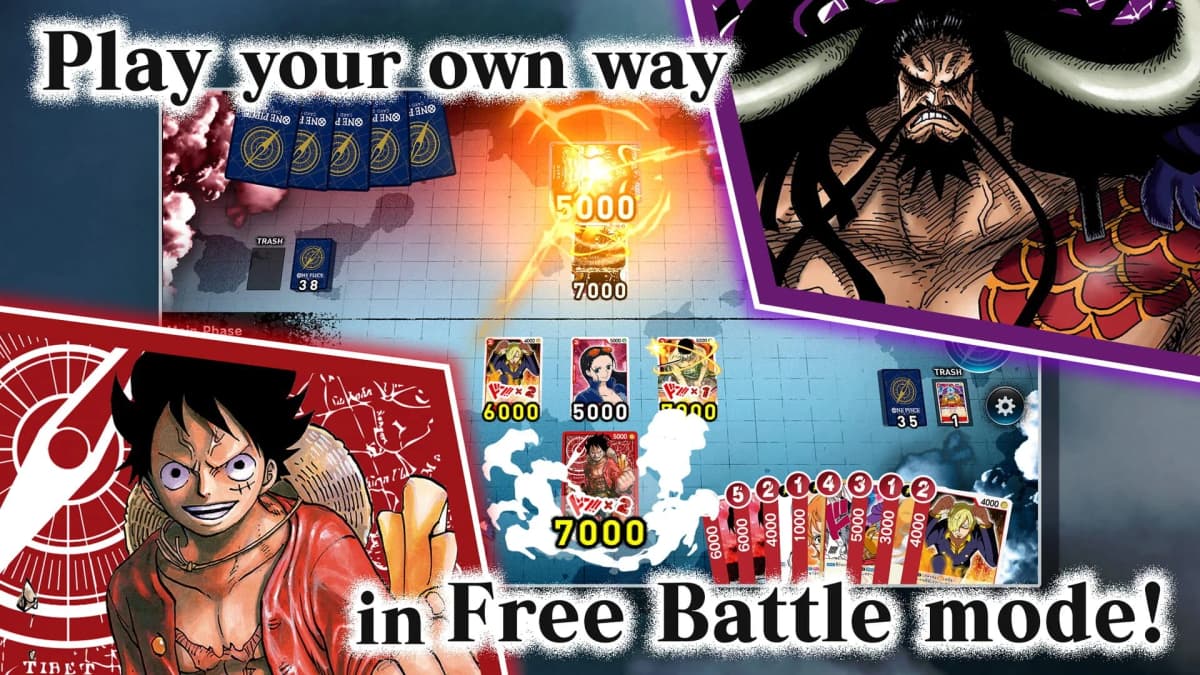
Buying One Piece Card Game products at official shops in Japan is about to involve a face scan. From August 22, Bandai Namco will introduce facial-recognition checks during sales, aiming to stop the repeat purchases and bulk buying that turn hot card drops into reseller inventory before regular players reach the counter.
The immediate benefit is obvious: one person should have a much harder time cycling through the same store, returning under a different purchase attempt, or otherwise treating limited stock as a personal wholesale order. The cost is equally obvious: every legitimate buyer is now handing over biometric information to buy trading cards.
Table of Contents (4)
Fairer access comes with a biometric toll
Bandai Namco says the system will temporarily capture and compare face information at the point of sale to create fair purchasing opportunities. In practical terms, official One Piece Card Game shops are moving toward a person-specific sales process for restricted items. A scan can be used to identify duplicate or otherwise disallowed purchase attempts, and a flagged customer may be refused a sale.
That is a meaningful escalation from ticketed lines, purchase limits, and the honor-system rules that scalpers have spent years learning to game. A printed “one per customer” sign is only as strong as the staff member trying to remember who was in line an hour ago. Software does not forget faces. Charming.

Buyers should plan for slower transactions on major release days. The exact store flow has not been fully detailed, including whether checks happen only at checkout or earlier in the queueing process. What is clear is that a normal grab-and-go purchase is no longer a safe assumption for limited One Piece products.
The July sellouts made the scalper problem impossible to ignore
The policy follows a familiar collector-market farce: a July issue of Weekly Shonen Jump reportedly sold out nationwide amid demand for its promotional One Piece card, with bulk buyers helping drive the rush. Shueisha printed more copies, and that additional run also sold out. When a magazine becomes a delivery system for a speculative card flip, retail rules have already failed the people who wanted the product for its intended purpose.
Facial recognition will not fix that underlying scarcity. If Bandai Namco underprints a premium deck, anniversary product, or chase-card release, there will still be more buyers than boxes. The system can divide limited stock more evenly; it cannot manufacture stock or force resale prices down once product reaches the secondary market.
This is becoming the Japanese TCG industry’s bluntest tool
One Piece is not walking into unexplored territory. Pokémon Card Store locations in Japan have also adopted facial-recognition measures against scalping, signaling that major card-game operators increasingly view biometric checks as a workable retail control rather than an extreme last resort.
That makes the unanswered privacy details more important, not less. Bandai Namco says face data will be used temporarily and only for the sales process, but buyers still need clear store-level information on how long data is retained, which products require a scan, and whether any alternative verification route exists. “Temporary” is a promise; a usable policy needs specifics.
What buyers should watch on August 22
The first high-demand sale after the rollout will show whether this is a targeted anti-scalper measure or a cumbersome new default for every official-shop purchase. Watch for the final rules on eligible products, repeat-purchase limits, queue procedures, and the practical handling of customers who decline facial capture. Those details determine whether the system gives players a fairer shot at sealed product — or merely makes the same shortage take longer.
FinalBoss // Gear
Level up your setup
01Top-rated gaming headsetson Amazon→02High-refresh gaming monitorson Amazon→03Gaming chairson Amazon→04Discounted game keyson Kinguin→Affiliate links · As an Amazon Associate, FinalBoss earns from qualifying purchases.
Want to Level Up Your Gaming?
Get access to exclusive strategies, hidden tips, and pro-level insights that we don't share publicly.
Ultimate Gaming Strategy Guide + Weekly Pro Tips