
Table of Contents (8)
OPM Season 3’s director speaks up – and it actually matters
One Punch Man Season 3 lands October 5, 2025, and the internet’s already throwing punches. After a mixed trailer reception – complaints about 3D usage, motion blur, and sound – director Shinpei Nagai told fans to cool it and, crucially, to stop the harassment. That caught my eye because OPM fandom has lived through the whiplash: a god-tier Season 1 from Madhouse and Shingo Natsume, then a rocky Season 2 under J.C.STAFF that never found the same kinetic magic. So when a director says upfront, “we may not match Season 1,” but also draws a line at abuse, that’s not PR fluff — that’s a reality check for a hype-prone community.
Key takeaways
- Nagai asked fans to “please stop the harassment,” while acknowledging Season 3 may not equal Season 1’s animation highs.
- He emphasized passion and ingenuity over blockbuster budget and superstar staff — the real limits of today’s anime production.
- J.C.STAFF is focusing on training and working conditions; if true, that could help consistency even if peak sakuga isn’t constant.
- Judge the season on storyboarding, pacing, and fight readability — not just trailer freeze-frames.
Breaking down what Nagai actually said
After trying to respond politely to pointed trailer critiques, Nagai posted a firmer message: “Please stop the harassment.” He followed with a candid statement in Japanese: “No — I believe I came prepared to shoulder the meaning and resolve of carrying the work you all care about. You might not like it; it might make you angry. But someone has to shoulder it. I’ve steeled myself and I’m taking it on. It probably won’t measure up to Season 1. But the film carries the creators’ tenacity and ingenuity. That’s all…” That’s the opposite of marketing spin; it’s a director setting expectations without throwing his team under the bus.
He also highlighted something fans hate to hear but need to: J.C.STAFF doesn’t have the exact resources or star-studded animator roster that made Season 1 an instant classic. Instead, he says the studio is investing in training and healthier schedules — the boring, unsexy stuff that actually prevents production collapse. In 2025, after everything we’ve seen from overworked studios and rushed cuts, that’s a conversation worth having.
Context: why Season 1’s shadow still looms
Let’s be honest: Season 1 set a bar few shows touch. Natsume’s direction, ridiculous cuts from top-tier animators, and a pipeline that somehow held together gave OPM its mythic reputation. Season 2’s switch to J.C.STAFF brought visible compromises — less explosive choreography, uneven polish, and a drumbeat of disappointment. So, yes, fans are wary.
But the industry has changed. Big action anime have normalized CG for complex shots; the stigma persists, even when it’s integrated well. Attack on Titan’s later seasons leaned on CG Titans; it wasn’t always pretty, but smart staging carried many sequences. Bleach: Thousand-Year Blood War proved that schedule buffers and strong boards can deliver spectacle without melting staff. The lesson: peak sakuga is great, but consistent planning and readable action matter more week-to-week than a single viral cut.
What this means for OPM’s Monster Association arc
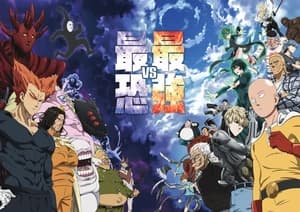
Season 3 is expected to dive deeper into the Monster Association arc and Garou’s rise — a stretch that lives or dies on clarity and escalation. You need smart camera, disciplined effects, and sound design that sells impact. If the trailer’s motion blur rubbed you wrong, watch how it’s used in full scenes: blur can mask cuts, but it can also add speed when timed with sharp key poses and snappy edits. The same goes for 3D — background CG for destruction and crowds can free up hand-drawn cuts where it counts, assuming the composite team marries the layers convincingly.
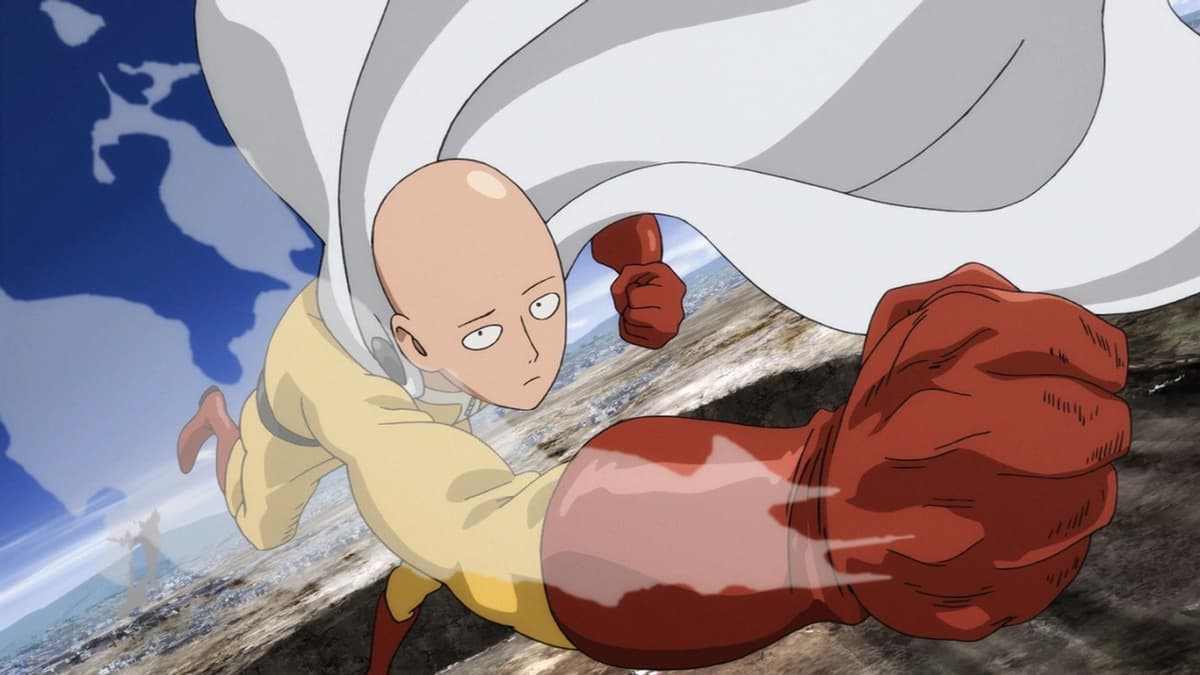
I’m not expecting Season 1’s lightning-in-a-bottle highs. I’m hoping for something different: confident storyboards, coherent geography in fights, and set-piece pacing that lets Saitama’s deadpan humor and Garou’s ferocity breathe. If J.C.STAFF truly emphasized training and workflow, we might get fewer whiplash episodes and more steady momentum — not headline-grabbing sakuga every week, but action that feels weighty and legible.
The line between critique and harassment
There’s a difference between “the trailer’s smoke FX look plastic” and dogpiling a director. One is feedback; the other corrodes the industry. We’ve all seen how public pile-ons push studios toward defensive silence and safe choices. Calling out sloppy compositing or bad sound mixing is fair game. Directing bile at individual staff isn’t. If we want risk-taking — the kind that made Season 1 sing — we can’t make the production environment hostile every time a frame looks off.
How to judge Season 3 when it drops
- Readability over flash: Can you follow Garou’s lines of motion without pausing?
- Impact: Do the hits land with weight — good timing, bass in the mix, debris that sells force?
- On-model under stress: Do faces and proportions hold during fast action, not just close-ups?
- Smart CG: Does 3D support scale and destruction without breaking the hand-drawn look?
- Pacing: Are episodes building tension, or sprinting then stumbling?
If Season 3 nails those, it can be a win even without Season 1’s fireworks. If it misses, we’ll say so — but we can do it without turning critique into a mob.
TL;DR
Nagai’s message is a sober heads-up: expect passion and craft, not a Season 1 clone. That’s fine — as long as the fights read clean, the pacing tightens, and the arc pays off. Save the judgment for October 5 and focus on the work, not the dogpile.
FinalBoss // Gear
Level up your setup
01Top-rated gaming headsetson Amazon→02High-refresh gaming monitorson Amazon→03Gaming chairson Amazon→04Discounted game keyson Kinguin→Affiliate links · As an Amazon Associate, FinalBoss earns from qualifying purchases.