
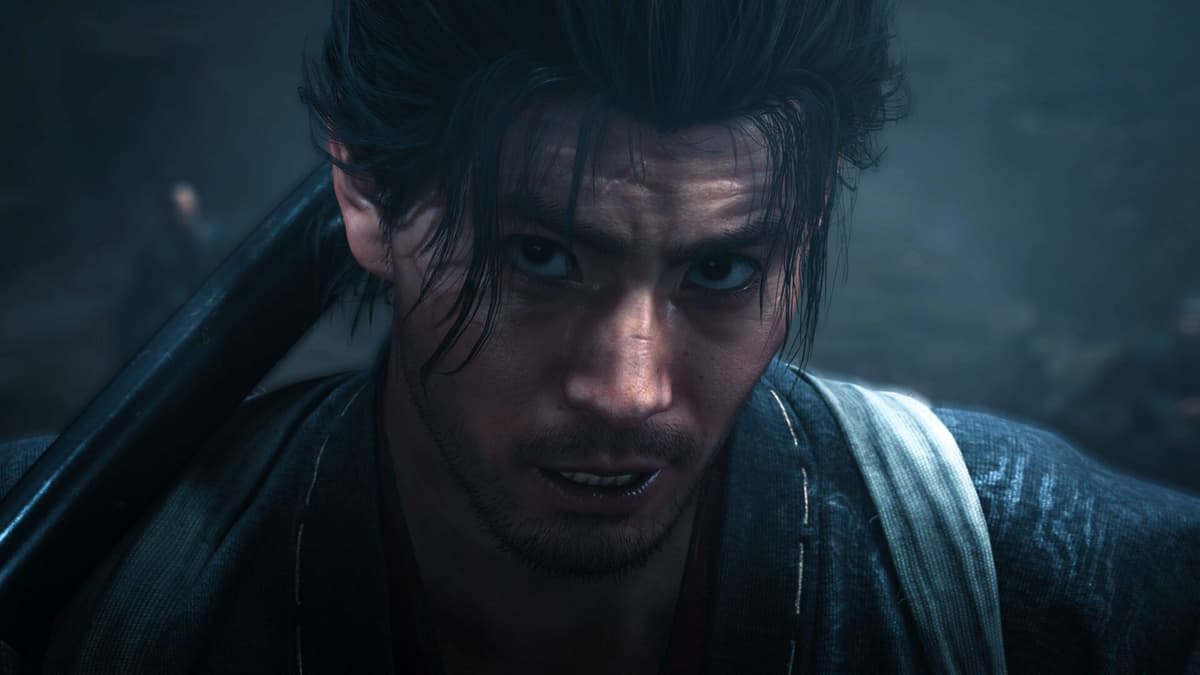
Onimusha Way of the Sword: Capcom Chases the Magic Without the Classic Camera
Game intel
Onimusha: Way of the Sword
Fight through bloodstained battlefields of intense swordplay action. Explore the historic Japanese capital of Edo-era Kyoto, twisted by malevolent clouds of Ma…
Why Onimusha’s Comeback Actually Matters-for Better and Worse
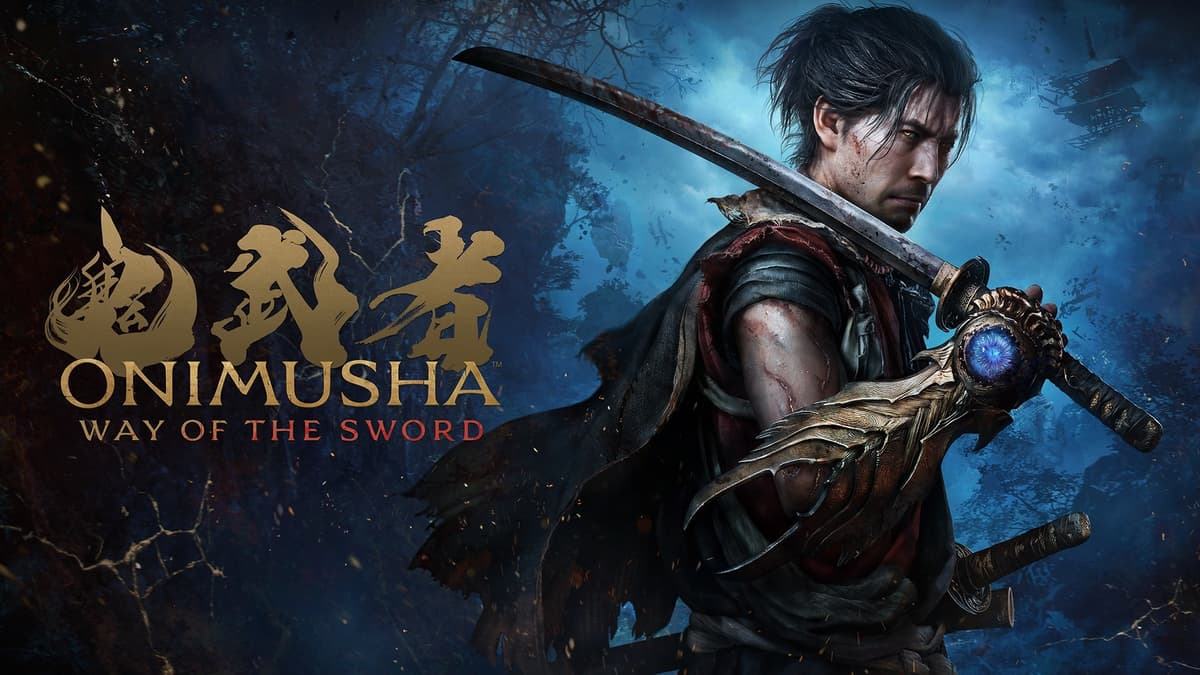
It’s wild to think it’s been 20 years since Onimusha last graced our screens. Honestly, I never expected Capcom to dust off this samurai classic, especially after how the series fizzled out post-Dawn of Dreams. But with Onimusha: Way of the Sword aiming for a 2026 launch, we’re about to see if the franchise can stand tall in a post-soulslike world-without just cashing in on nostalgia.
- Capcom ditches the series’ fixed camera for a dynamic, modern approach.
- Early hands-on impressions spark debate over “soulslike” combat influences.
- Dev team remains adamant: Onimusha’s DNA-and trademark skill ceiling—remains.
- 2026 release sets up Onimusha for a return into a very different gaming landscape.
Breaking Down Capcom’s New Direction
Capcom’s decision to drop Onimusha’s iconic fixed camera might not sound huge at first, but for longtime fans (myself included), it’s a seismic shift. The old-school angles did more than just define the series’ vibe—they controlled pacing, tension, and that signature sense of cinematic dread. Moving to a dynamic camera isn’t just about making things look slicker; it fundamentally changes how you experience Onimusha’s world.
Producers Akihito Kadowaki and Satoru Nihei are pretty blunt about the change: the fixed camera “was a way things were often done at the time, and the world has largely moved on.” Depending on how you feel, that’s either a refreshingly pragmatic take—or a sign of Capcom chasing trends. I get why they swapped cameras (modern players demand fluid controls), but I can’t shake the feeling we’ll lose some of that tight, memorable atmosphere. The real test? Whether they can balance modern movement with those “holy crap, I’m surrounded” moments that made the originals such a rush.
Is This Actually a Soulslike? Let’s Pump the Brakes
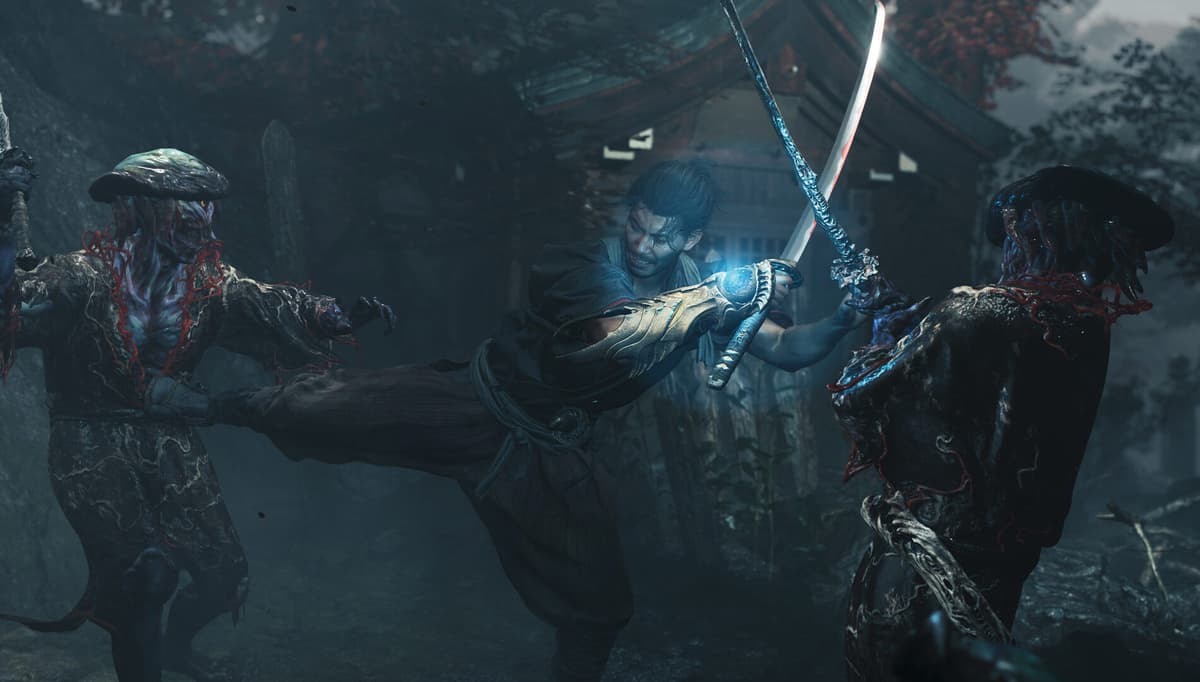
If you’ve glimpsed the trailers, you’ve probably seen heated debates about Way of the Sword going “soulslike.” Look, I love a good parry-heavy action game, but let’s be real: challenging combat wasn’t invented by Dark Souls. Onimusha practically wrote the book on timing-based counters (Issen, anyone?) years before FromSoft became gods of the genre. The difference here is nuance—a high skill ceiling doesn’t mean every tough fight is a Souls homage.
That said, I get the fan apprehension. The gaming market’s so saturated with actual soulslikes that “hard game, third-person, stamina bar” might as well be a template. But Capcom promises there’ll be familiar flashes: stylish swordplay, cinematic boss duels (Sasaki Ganryu is already looking like the main event), and just enough old-school flavor for returning players. Skeptics ask, “Is this really Onimusha, or just Capcom doing what everyone else is doing?” It’s fair. The franchise never drew its power from sheer difficulty; it was unique because of its blend of feudal horror, dramatic flair, and distinct pacing.
What Returning Fans—and Newcomers—Should Expect
So where does that leave the legacy fans? Honestly, it’s a mixed bag. If you cherished the claustrophobic fixed views, this evolution might feel like sacrilege. But let’s not pretend the old ways were untouchable. Plenty of newcomers are put off by tank controls and awkward camera gymnastics—the series needed to move with the times if it wanted any future at all. The devs say the challenge, the mythic intensity, and the stylish finishers are all back. Judging by the expressive animation and set pieces teased so far, I believe they’re at least trying.
Onimusha’s return is also a chance for a new audience—one that cut its teeth on Sekiro and Nioh—to see where some of those ideas originated. If Capcom gets this right, Way of the Sword could bridge a generational gap in action combat. If not, it risks being yet another reboot too desperate to please everyone and ending up bland.
TL;DR: Samurai Reboot with Teeth—But Will It Slice?
Onimusha: Way of the Sword is swinging for a modern audience, swapping fixed camera for dynamic movement and leaning into challenging combat. The DNA is there—but whether it’s the sharp, atmospheric classic or a generic soulslike remix will depend on how Capcom balances nostalgia against the new. I’m hopeful, but keeping my blade sharp and my expectations sharper.