
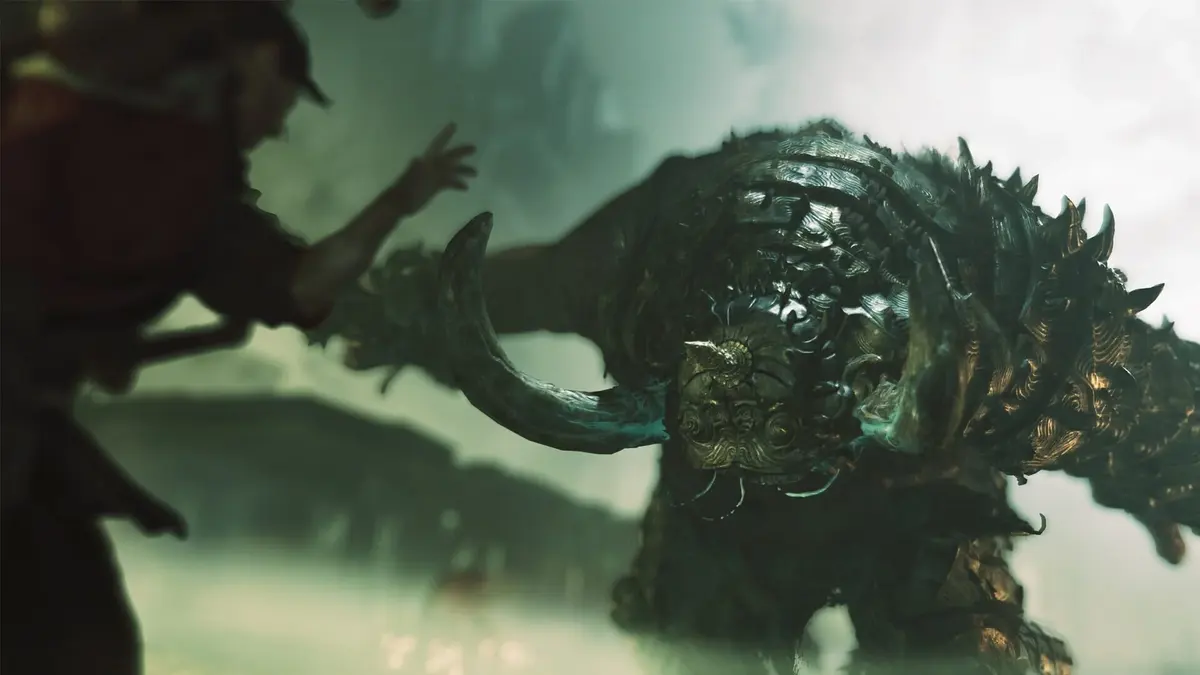
Onimusha: Way of the Sword has a demo problem, but “too hard” is the wrong accusation. The early slice is forgiving enough that standard Genma barely force Musashi Miyamoto to respect the systems Capcom has spent years promoting. Yet the combat itself carries enough precision, aggression, and punishment potential to make the full 2026 release far more intimidating than this brief demonstration suggests.
That contradiction matters. A demo exists to sell confidence, and Capcom has clearly built this one as a flashy combat audition: Musashi is deliberately overpowered, has access to skills he should not own during that point in the story, and can finish the whole thing in less than an hour. Producer Akihito Kadowaki has been unusually direct that the sample is an early segment rather than a true model for the campaign’s difficulty, with tougher Genma and bosses waiting in the full game.
I believe him, largely because the demo’s real tension sits in its mechanics rather than its enemy tuning. The moment regular enemies stop standing around politely, players who treated this as a button-mashing samurai power fantasy are going to hit a wall. The good news is that it looks like a wall with handholds. The bad news is that the demo lets people ignore half of them.
Table of Contents (6)
The Demo Gives Musashi the Answer Key
Capcom made a sensible commercial choice and a terrible difficulty-testing choice at the same time. It loaded an early story section with later-game tools so players could sample the full range of Musashi’s moves. That means the demo’s generous combat flow is inflated from both directions: the enemies are relatively passive, while the player character has more answers than the final game’s opening hours will likely allow.
That setup produces exactly the kind of confused reaction currently surrounding the game. Players walk away with a broad moveset, clean victories, and the feeling that Way of the Sword lacks teeth. Capcom then explains that the actual campaign will ask more of them. Neither point cancels the other out. The demo is easy by design. The combat system is built to become demanding once its safety rails come off.
The available settings underline the problem. The demo offers Story and Action difficulty. Story is the story-forward route; Action is meant for players who want combat to matter. Even Action leaves normal enemies too passive to establish a convincing difficulty curve. A tougher mode, an unlockable hard mode, and the final structure of the game’s settings remain unconfirmed. I would not treat speculation about hidden difficulty tiers as a reason to buy in. Capcom has only shown two options, and neither one turns this demo into a reliable endurance test.
That is frustrating because the demo has the raw material for a great challenge game. It simply spends too much of its short runtime congratulating players for using tools they have barely had to understand.
Parry Timing Is the Real Difficulty Signal
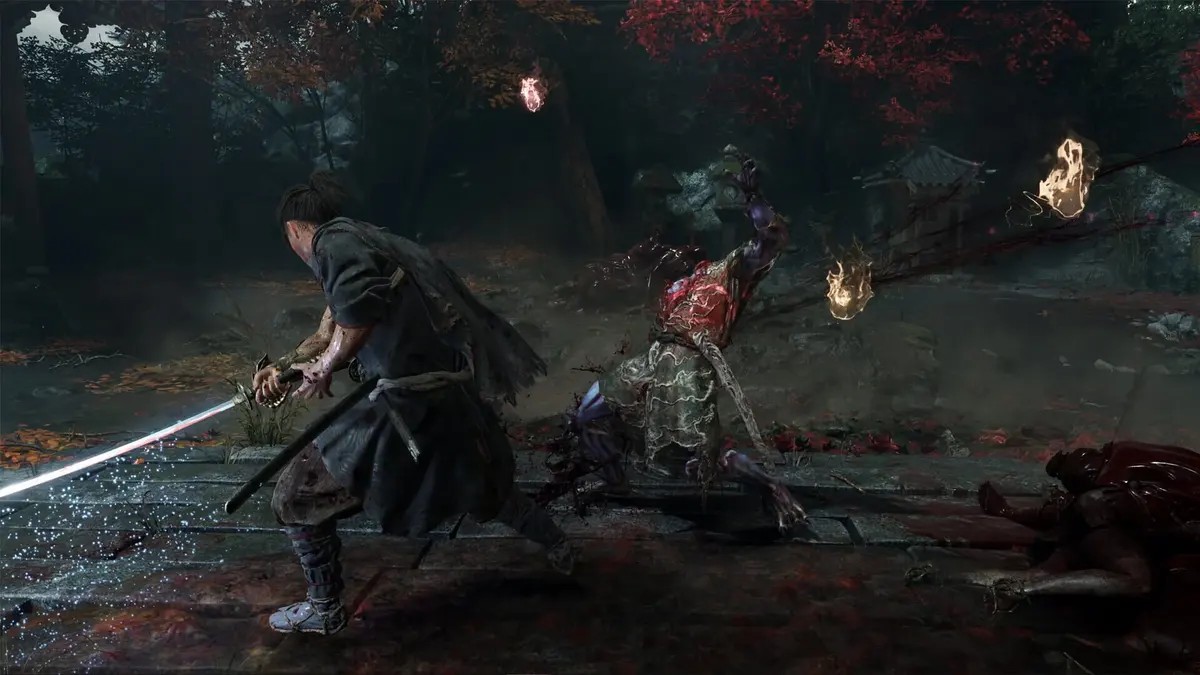
The heart of Onimusha: Way of the Sword is not Musashi’s health bar. It is the enemy’s stamina bar. Ordinary sword swings chip away at Genma health, but parries and deflects attack the resource that actually determines the pace of a fight. Drain enough stamina and an enemy becomes exhausted, opening them up for a devastating Break Issen.
That is why the game’s most important skill is not damage output. It is composure. A parry performed just before an attack lands can drain stamina, shift Musashi into a stronger position, and open the enemy for retaliation. The Issen goes further: press attack at the exact instant an incoming strike would connect and Musashi violently repositions around his opponent for huge health and posture damage. It is the kind of high-risk move that feels incredible when it lands and humiliating when a faster enemy refuses to give you the same rhythm twice.
Director Sattoru Nihei has said parries and deflects use more than 300 unique animations that react to enemy type and size. That is a fantastic detail because it means the game is trying to make defense feel physical rather than mechanical. A clean answer against a smaller Genma should not carry the same visual weight as catching something massive in the middle of a swing. More importantly, those animations give players readable feedback during combat instead of asking them to stare at invisible frame data.
| Combat response | What it does | What the demo should prove |
|---|---|---|
| Parry | Interrupts an incoming attack, drains enemy stamina, and creates a punish opportunity. | Repeated parries should remain readable when enemies attack in longer strings and with less generous pauses. |
| Dodge or Reflex Dodge | Evades attacks that carry awkward timing, especially heavy overheads and stomps, while building its own offensive potential. | Movement needs to feel like a deliberate answer rather than a panic escape that invalidates every boss pattern. |
| Issen | Demands an attack input at the instant of impact for massive health and posture damage. | The execution window must stay learnable under pressure, because Issen is where mastery becomes visibly rewarding. |
The demo’s mistake is letting players see the reward before making them earn the consistency. Landing an Issen on a slow, isolated swing is a cinematic treat. Landing one after surviving a rapid sequence, managing stamina, and recognizing that the next attack demands a dodge instead of a parry is the actual game.
Bosses Tell a Much Truer Story Than the Genma
Regular Genma are poor ambassadors for the difficulty of Way of the Sword. They give Musashi room to experiment, which is useful for learning the Oni Gauntlet, soul absorption, special Oni armament moves, and the rhythm of swordplay. They do very little to test whether that knowledge holds together once the game gets hostile.
The bosses are where Capcom’s design starts making sense. Their movesets force an actual decision between standing your ground and getting out of the way. Heavy attacks can technically be parried, but some boss overheads and stomp-style strikes are far more dependable to dodge. That distinction is crucial. A combat system where parry answers every threat becomes repetitive within hours. A combat system that punishes stubborn parry addiction creates the kind of fights players remember.
Rashogan’s second phase is the clearest reason I am refusing to write this game off as soft. Phase changes are where a boss fight exposes whether it has a real escalation plan or merely a bigger health bar. If the first phase teaches timing and the second phase distorts that timing, forces new positioning, or adds pressure to Musashi’s stamina decisions, then the game has an honest path from accessible introduction to hard-earned control.
That is the pattern I would test every single time the demo is replayed. Ignore whether a boss dies quickly. Pay attention to which attacks remain readable after several failed attempts, whether dodge routes leave enough room to retaliate, and whether a successful parry meaningfully accelerates the stamina break. Those details determine whether a difficult action game feels sharp or cheap.
Blazing State Could Turn Defense Into Aggression
Capcom has given Musashi a smart incentive to play assertively without demanding reckless offense. Parries build the Blazing gauge, and a full gauge activates Blazing State. That state increases attack damage and strengthens the payoff from stamina damage and Break Issen. The demo lets this system feel powerful. The real campaign needs to make it feel necessary.
That difference will decide whether Way of the Sword earns its place as a major action comeback or settles into the comfortable middle of the genre. If Blazing State is a reward players casually stumble into while cutting through passive Genma, it becomes spectacle. If stronger enemies force players to build it through deliberate defense, then it becomes the engine of the whole combat loop.
The Oni Gauntlet fits neatly into that loop. Musashi kills Genma, absorbs their souls, develops his Oni abilities, and spends materials and souls across skill trees for health, strength, healing pouches, regular combat, and gauntlet upgrades. There is genuine depth there, but progression can also hide balance problems. Extra health and healing can cover sloppy timing. A stronger blade can erase the need to learn stamina pressure. The full game has to make sure upgrades expand Musashi’s options without erasing the need to engage with its best mechanics.
Support Tools Are Not Evidence That the Game Lacks Bite
The demo includes response prompts that nudge players toward defensive answers, and it offers an easier Story setting alongside Action. Good. Precision combat gets worse when developers confuse obscurity with challenge. A prompt that teaches someone when a parry or dodge belongs does not make an eventual boss fight painless; it gives that player the vocabulary to understand why they failed.
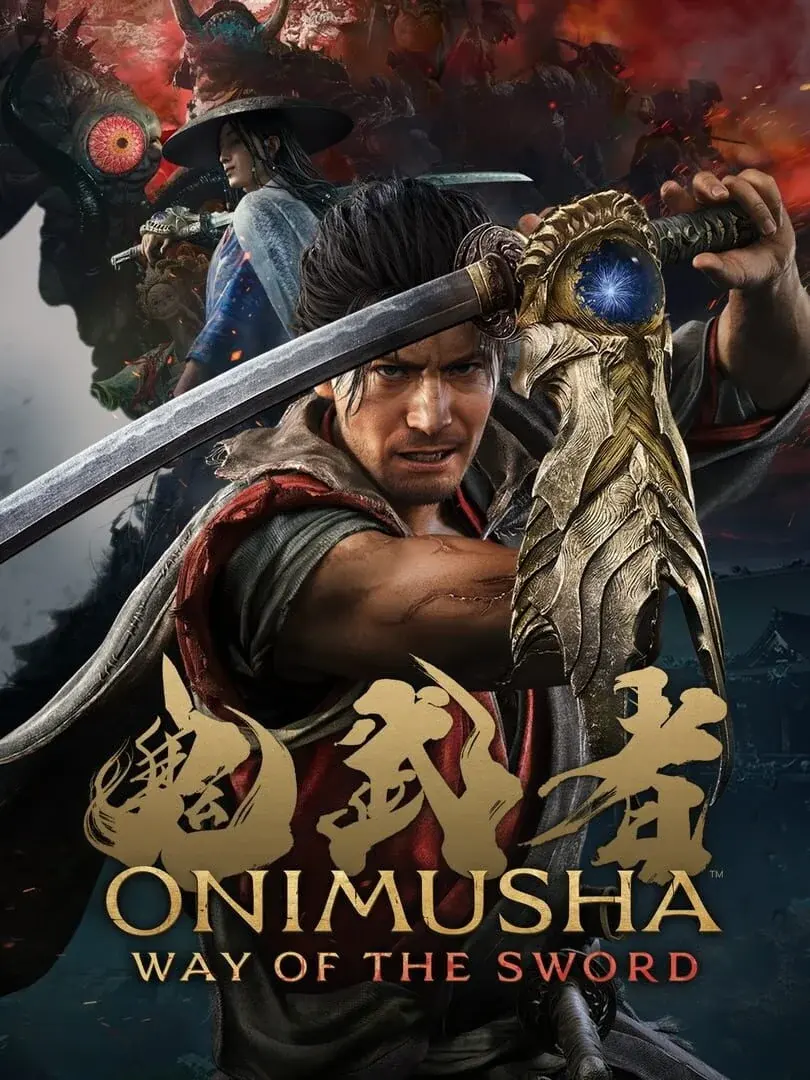
I have no patience for the strain of difficulty discourse that treats accessibility as a betrayal. A game can teach timing, provide support, and still demand disciplined execution when the pressure rises. In fact, that approach gives Capcom more freedom to design nastier boss patterns later because players have already learned the fundamentals in a structured way.
The rumored Defensive Button and Offensive Button control schemes are a separate matter. They have not been officially confirmed, so they should stay out of any firm judgment about how demanding the final control layout will be. The confirmed systems already provide plenty to evaluate: timing, stamina, dodge decisions, Issen execution, Blazing State, and the way enemy patterns reshape all five.
Kyoto Is the Bigger Threat to the Game’s Momentum
Difficulty is only one concern. Onimusha: Way of the Sword is rebuilding a series that spent two decades away from the main stage, and Capcom has paired its linear story with a Kyoto hub that expands as Musashi destroys Genma plants blocking access to more of the city. That structure could give the game welcome texture. It could also turn an otherwise fierce action campaign into a procession of errands, backtracking, and forgettable side content.
The demo cannot answer that pacing question. A short combat showcase has no reason to reveal the drag that can come from a hub’s first half, or the repetition that can creep into a final chapter. What it does reveal is that the swordplay has enough depth to survive a longer campaign if Capcom keeps Kyoto from constantly interrupting it.
That is where my optimism remains guarded. Musashi’s combat looks cinematic because it has systems underneath the animation: parries that attack stamina, dodges with their own value, Issen counters that demand nerve, and boss moves that refuse to accept the same answer every time. The game does not need to become brutally punishing to succeed. It needs to trust those systems enough to make players use them.
FinalBoss // Gear
Level up your setup
01Top-rated gaming headsetson Amazon→02High-refresh gaming monitorson Amazon→03Gaming chairson Amazon→04Discounted game keyson Kinguin→
Affiliate links · As an Amazon Associate, FinalBoss earns from qualifying purchases.
Want to Level Up Your Gaming?
Get access to exclusive strategies, hidden tips, and pro-level insights that we don't share publicly.
Ultimate Gaming Strategy Guide + Weekly Pro Tips