
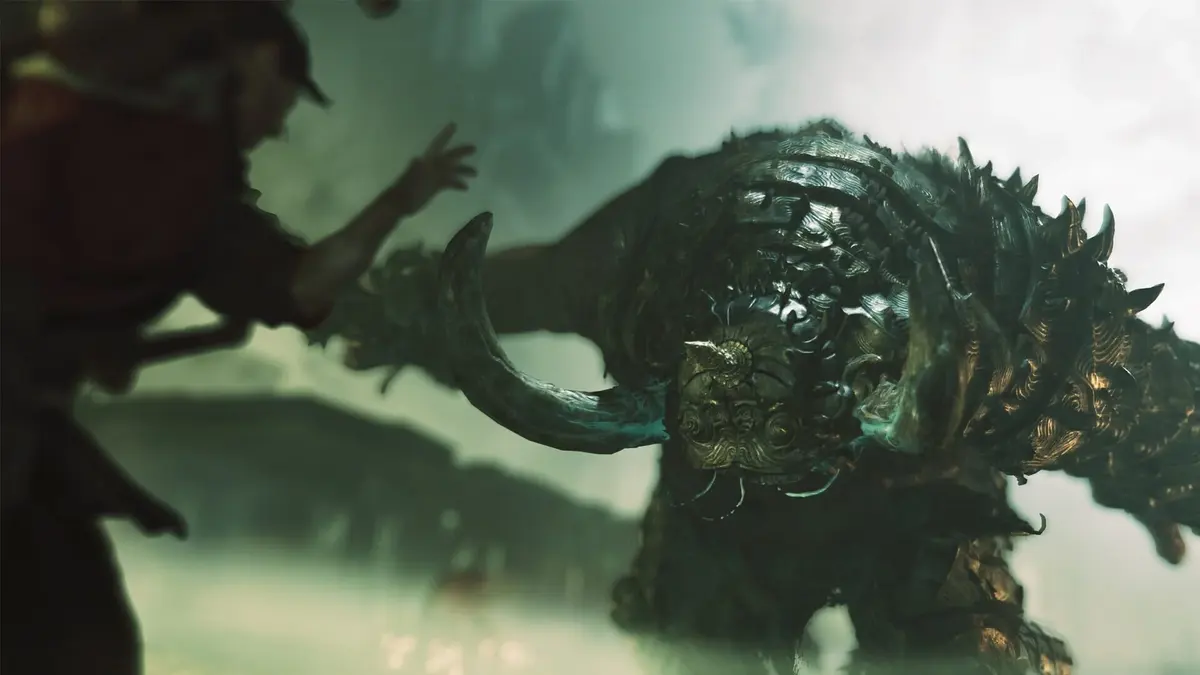
Use the Onimusha: Way of the Sword demo as a combat-timing drill. Its clearest lessons are deflecting enemy attacks, building stance damage, using Break Issen finishers, and learning when a dodge creates a safer counter window than a direct defensive response. The demo’s restrained regular enemies and limited progression make it a poor measure of the full game’s overall pressure, so put most of your attention on tougher yokai and boss encounters.
Table of Contents (12)
What to Focus on First in the Onimusha Demo
Miyamoto Musashi’s swordplay revolves around the Oni Gauntlet, close-range commitment, and deliberate reactions. You will get more out of the demo by treating each enemy swing as information: identify the wind-up, choose the defensive answer, then convert the opening into stance pressure. Repeating fast attack strings without reading the opponent leaves the game’s most important systems untouched.
- First priority: recognize the timing of one enemy attack at a time.
- Second priority: deflect or parry enough hits to weaken enemy stance.
- Third priority: stay close after a successful defense and capitalize when the stance breaks.
- Fourth priority: use Break Issen when the enemy is exposed instead of wasting the opening on a short, low-value string.
The early fights can feel forgiving because ordinary enemies give you room to observe. Use that space productively. Stand within range, watch the first few swings, and avoid attacking until you know whether the foe uses a single strike, a delayed follow-up, or a multi-hit sequence. That habit matters far more once enemy aggression rises.
Learn the Three Defensive Responses
Guarding can keep you alive, but the demo’s combat has much more payoff when you respond with precise defense. Deflects, last-second counters, and evasive movement each solve a different problem. The correct response depends on the attack’s speed, follow-up potential, and your current position.
| Response | What it accomplishes | Best time to use it |
|---|---|---|
| Deflect | Turns an incoming hit into stance damage against the enemy. | Use it against readable single attacks and repeatable combo rhythms. |
| Parry or last-second counter | Creates a stronger opening when the timing is clean. | Save it for attacks whose release point you understand well. |
| Evade or reflect dodge | Preserves your position, avoids dangerous pressure, and can set up a counter angle. | Use it against delayed strikes, extended strings, and attacks that are too risky to challenge head-on. |
Start with deflects because they teach the basic tempo of a fight. Do not try to force every swing into a parry attempt immediately. A late parry can create a powerful opening, yet a mistimed attempt against a boss usually gives up more space than a simple evade would. Once you can reliably deflect an attack chain, begin testing which final hit leaves enough time for a stronger counter.
Practice Timing From the Enemy’s Release Point
Watch the weapon and shoulders rather than reacting to the enemy’s first movement. A foe may raise its weapon early, pause, then release the strike later than expected. Pressing your defensive input during the wind-up is the usual reason a deflect misses. Wait for the forward commitment: the point where the weapon begins its actual path toward Musashi.
This is especially important against slower-looking attacks. Heavy strikes can be deliberately delayed to catch players who answer the animation’s opening motion instead of its release. If the timing feels inconsistent, stop attacking for one full exchange and study the rhythm. The demo gives enough breathing room to make that adjustment before the tougher encounters demand it.

Break Stance Before You Chase Health Damage
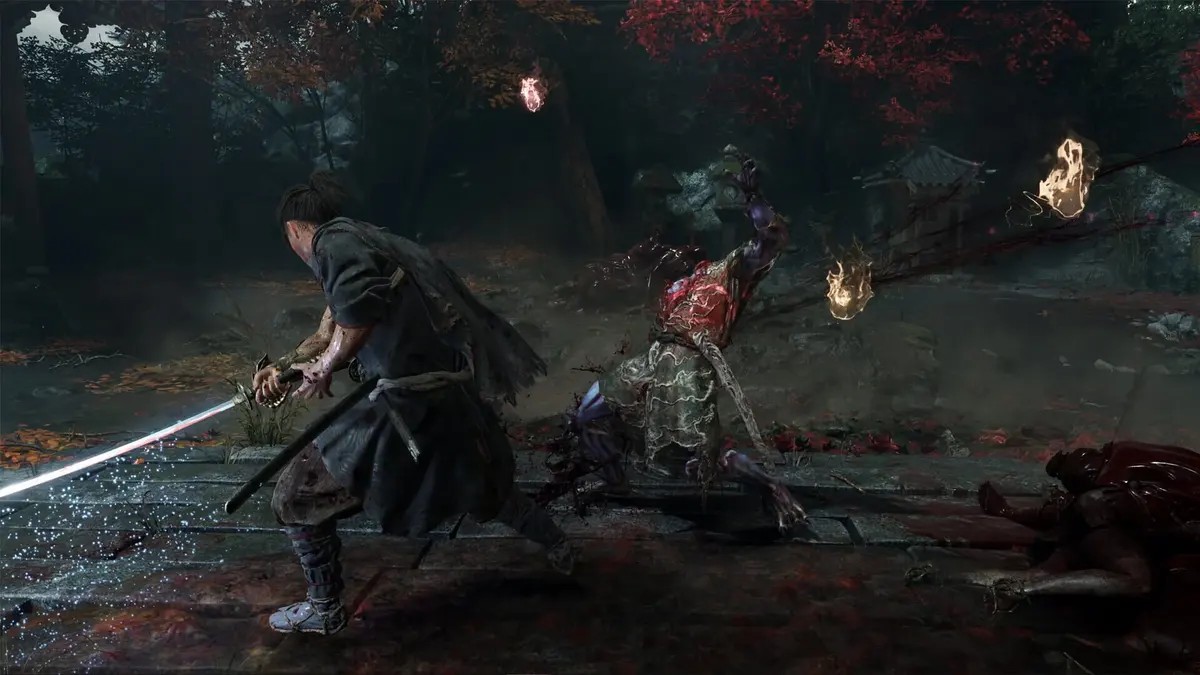
Enemy stance is the combat resource that matters most in the demo. A successful deflect contributes to breaking it, sustained pressure keeps the opponent from resetting the pace, and a break creates the window for a Break Issen execution. That sequence gives the swordplay its grounded, decisive rhythm.
- Deflect a predictable attack instead of backing away from every swing.
- Move in after the deflect so the enemy cannot freely recover its stance.
- Use measured follow-up attacks rather than extending a string after the enemy has already regained initiative.
- Trigger Break Issen when the stance-break opening appears.
The important adjustment is to value control over raw hit count. A few safe hits after a deflect can advance the fight more effectively than a long combo that ends with Musashi getting clipped and losing momentum. This also makes the combat feel less like a damage race: you are steadily forcing the enemy into a vulnerable state.
Change Your Attack Response During Escalating Exchanges
Some combat sequences appear to ask for a changed attack input rather than repeating the same response through the entire exchange. When an enemy pattern escalates into a blade-barrage-style clash, vary your timing and attack choice instead of mashing the attack that started the sequence. The point is to recognize the change in the enemy’s behavior and answer it with a different action.
If the response fails, do not assume the mechanic is random. Replay the exchange while holding back on your usual punish. Watch for the moment the enemy shifts from a normal attack pattern into the extended clash, then make the altered input only after that transition.
Use Bosses to Judge the Combat, Not Hallway Enemies
Regular enemies in the demo can be unusually patient. They may give Musashi time to isolate targets, wait between attacks, and test defensive inputs without overwhelming pressure. That makes them useful practice opponents, though they do not show the full stress level of the combat system.
The tougher yokai and boss fights are where the demo’s swordplay becomes more demanding. Rashogun, in particular, represents the kind of encounter that pushes faster reactions and disciplined defense through aggressive multi-phase pressure. Fights like this are where panic dodges, repeated unsafe swings, and early parry attempts start getting punished.
Boss Practice Route
- First attempt: prioritize survival and identify the boss’s basic attack cycle.
- Second attempt: deflect only the most readable strike in each sequence.
- Third attempt: add a short punish after each successful defense and check how quickly stance pressure builds.
- Later attempts: test parries and evasive counters on attacks you already recognize.
This approach prevents the common trap of treating every early attempt as a kill attempt. Bosses teach the game’s actual loop: read the telegraph, defend with purpose, stay in range, damage stance, then convert the break into a decisive finish.
Why the Demo Can Feel Easier Than Expected
The demo is tuned to introduce the combat systems without applying constant pressure. Even its harder setting can feel safe because enemy aggression is restrained, normal encounters give you generous reads, and the playable slice focuses on learning rather than sustained escalation.
That does not mean the full game will maintain the same pace. Later encounters are expected to ask more of your timing, especially when bosses and enemy groups remove the comfortable pauses found in the demo. A clean demo run shows that you understand the foundations; it does not prove that you will be able to rely on the same defensive timing once enemies attack more aggressively.
What a Comfortable Demo Clear Actually Means
- You can read the basic weapon telegraphs.
- You understand how deflects feed into stance damage.
- You know when a dodge is safer than trying to force a counter.
- You can exploit a Break Issen opening when it appears.
It does not answer how demanding later enemy groups, longer boss phases, or upgraded combat options will become. Expect the full game’s difficulty to rely on stronger enemy pressure rather than simply inflating health values.
How Much Exploration the Demo Actually Shows
The playable area is a small, controlled location with progression and upgrades held back. You can inspect elements such as the map and settings, yet the route itself is built to move Musashi through curated encounters. Expect short progression, gated paths, and only a light sample of traversal or environmental interaction.
Evaluate the demo for its immediate sword feel, the impact of blade clashes, and the way combat encounters flow into finishers. Its structure cannot establish how broad the final game’s exploration becomes, how frequently new routes branch, or how the Oni Gauntlet’s wider progression develops over time.
Common Mistakes That Make the Demo Feel Flat
- Attacking through every opening: short punishes keep Musashi ready for delayed counterattacks.
- Holding guard without testing timing: defense works best when it actively damages stance or creates an opening.
- Dodging away from every threat: repeated retreats make it harder to maintain the pressure needed for a stance break.
- Judging challenge from passive enemies: bosses and tougher yokai provide the more useful difficulty benchmark.
- Expecting deep progression in the demo: upgrades and broader character development are intentionally limited in this slice.
The Best Way to Evaluate Onimusha: Way of the Sword
If deflects feel responsive, evasive counters consistently place Musashi in a useful position, and Break Issen finishers feel earned through stance pressure, the demo has delivered its main purpose. The limited route and forgiving ordinary enemies are part of a controlled introduction; the boss encounters and defensive timing are the parts that best indicate how Onimusha: Way of the Sword wants to be played.
FinalBoss // Gear
Level up your setup
01Top-rated gaming headsetson Amazon→02High-refresh gaming monitorson Amazon→03Gaming chairson Amazon→04Discounted game keyson Kinguin→
Affiliate links · As an Amazon Associate, FinalBoss earns from qualifying purchases.
Want to Level Up Your Gaming?
Get access to exclusive strategies, hidden tips, and pro-level insights that we don't share publicly.
Ultimate Guide Strategy Guide + Weekly Pro Tips