
Capcom’s Onimusha Demo Proves Steel Beats Flash
Game intel
Onimusha: Way of the Sword
Fight through bloodstained battlefields of intense swordplay action. Explore the historic Japanese capital of Edo-era Kyoto, twisted by malevolent clouds of Ma…
Capcom Finally Shows Its Hand—and It’s Not a Sizzle Reel
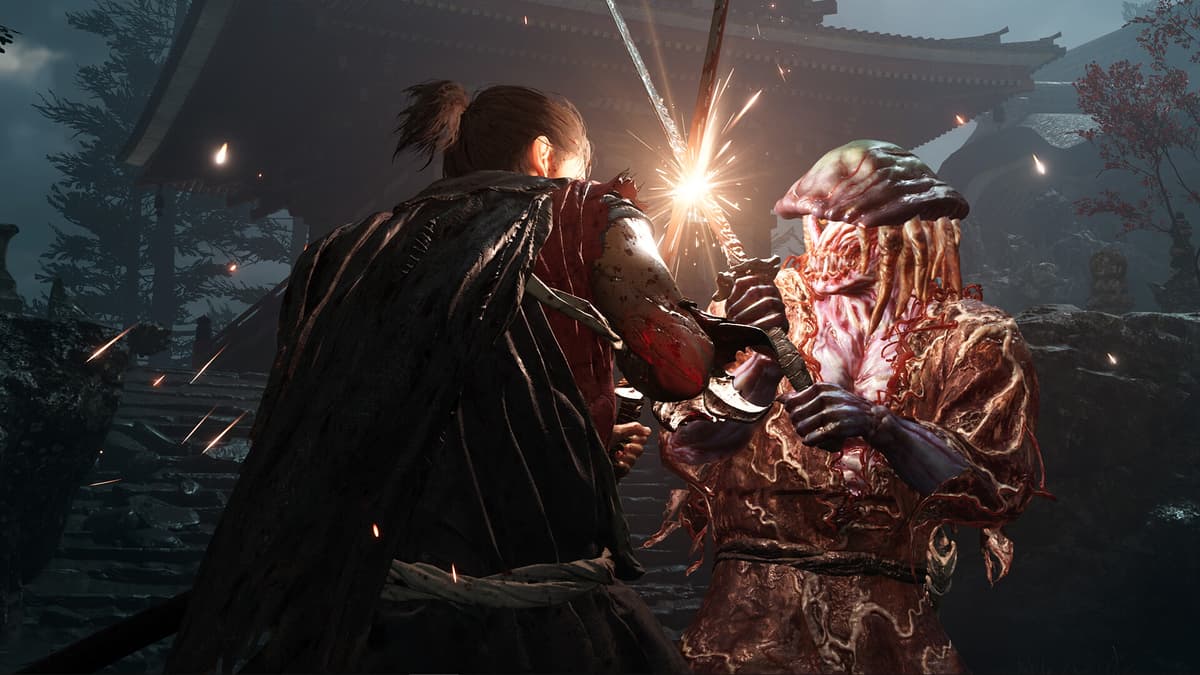
Capcom’s ten-minute gameplay drop for Onimusha: Way of the Sword caught many off guard because it skips the usual marketing ballet. No perfect combos on autopilot, no invisible assists—just Musashi swinging, whiffing, adjusting footwork, and ending with a straight-up duel against Sasaki Ganryū. For a franchise built on timing and lethal counters since the PS2 era, that’s precisely the signal old-school fans needed. With a 2026 release window on PS5, Xbox Series X|S, and PC, Capcom seems determined to modernize Onimusha without sanding it down into a generic action game.
- Combat feels timing-first and parry-centric—closer to classic “death-by-precision” than combo exhibition.
- Camera and lock-on appear tuned for 1v1 duels, showcased by the Ganryū boss encounter.
- Footage includes mistakes and recoveries, hinting at real animation commitment and genuine punish windows.
- 2026 is a long runway—combat depth, encounter variety, and performance targets will determine the final verdict.
Breaking Down the Footage: Deliberate Steel, Not Flashy Spam
From the opening minutes, the cadence of swordplay stands out. Musashi’s light and heavy slashes carry weight—you can clearly see recovery frames and feel the decision cost of over-committing. There’s no mashing your way out of a bad read. Parry windows look readable: attacks telegraph with subtle wind-ups, sparks fly on good timing, and staggers create brief but meaningful punish opportunities. That’s pure Onimusha DNA, evoking the old Issen critical counters—regional terminology Capcom has yet to drop but clearly honors.
Movement is compact—no air-juggling or physics-bending escapes. Instead, measured steps, quick sidesteps, and micro-dodges maintain spacing. Lock-on remains stable during 1v1s, which is crucial for a duel-heavy design. Even when the player whiffs, the camera holds its ground. It’s a small touch until you remember fighting a boss whose cape eats half your screen.
Scene Breakdown: Minute-by-Minute Highlights
- 0:30–1:15 Intro encounter with two Genma grunts. The player uses light slashes to stagger one, then times a heavy shot to break the other’s guard. This setup shows combo chaining without encouraging button bloat.
- 2:15 A swift parry test against a spear-wielding Genma. You get a clear flash on perfect timing, leading into a slow-motion hit-stop—classic Onimusha flair.
- 4:00 Micro-dodge drills: the protagonist smoothly sidesteps under an overhead cleave, reads the recovery, and counters before the enemy resets stance.
- 6:45 Brief three-on-one skirmish in a narrow corridor. Notice the camera re-centers quickly, prioritizing readability despite close quarters.
- 8:30–10:00 Climactic duel with Sasaki Ganryū. No flashy telegraph bars—just feints, guard tests, and tense reads. When you land a parry, the hit-stop feels meaty, and follow-up rewards are well telegraphed.
This slice of gameplay suggests Capcom is focusing on core fundamentals before layering on extras.
Comparisons and Inspirations
If you’ve played Sekiro, Ghost of Tsushima standoffs, or Demon’s Souls, you’ll recognize the headspace. Yet Onimusha leans more grounded—fewer cinematic flourishes, more steel-on-steel impact feedback. The parry clarity brings Resident Evil 4 Remake’s responsiveness to mind, while the stagger and hit-stop echo Monster Hunter’s “you feel every blow” philosophy. Capcom seems to say: we heard you want precision and impact without the spectacle overshadowing timing.
Where Devil May Cry evolved into a combo exhibitionist, Onimusha always settled into tension and reads. Here, Capcom appears to preserve that identity, suggesting guard breaks and stances might layer depth without diluting the duel dynamic.
Tech Check: Why 60fps and Responsive Combat Matter
In timing-centric action, frame rate isn’t cosmetic—it’s fundamental. At 60fps, animation telegraphs are more readable, input windows tighter and more consistent. A dip to 30fps not only feels sluggish but shifts timing windows, risking that “I parried it in the demo” complaint on release. Quality modes are welcome, but input latency and frame pacing should never be toggles; performance should be default. Frame pacing consistency preserves hit-stop clarity so every parry flash and stagger pause hits exactly when you expect it.
Hit-stop mechanics rely on stable frame delivery. Uneven frame timing skews the feel of critical counters and can break punish windows. Looking ahead, we’ll watch for locked 60fps modes, uncapped frame options on PC, and indicators of consistent netcode if Capcom explores any online duels or co-op.
Open Questions (And the Red Flags to Watch)
- Combat Depth: Will there be a true Issen-style critical counter system, or just a generic parry? Official word on special counters remains unconfirmed.
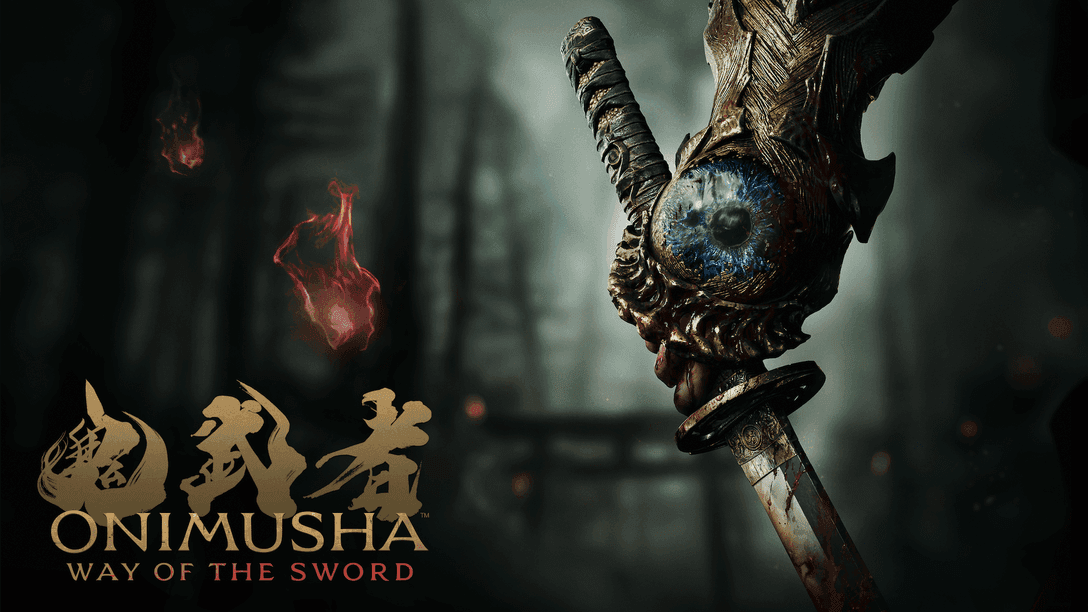
- Weapon Variety: Is it all katana or will secondary bladed weapons and elemental Oni gauntlet techniques return? Balance between single-weapon mastery and wheel-of-elements risk gating duel purity.
- Encounter Design: The footage favors 1v1s, but how will cramped corridors, small-group ambushes, and wider skirmishes play out without camera woes?
- Structure: Classic Onimusha relied on tight, chaptered level design. If Capcom opts for hub-based missions, will they cut fat or bloat pacing?
- Performance Targets: 60fps locked, unlocked, or performance-quality toggle—every option matters when split-second timing is on the table.
We still lack clarity on enemy variety, upgrade systems, and how Oni gauntlet powers integrate without overshadowing sword duels.
Why This Could Actually Land for Modern Players
Today’s audience craves skill-forward combat that rewards nerves, reads, and precision—not just build math or endless gauge dumps. A timing-first approach plugs directly into Soulslike and Sekiro sensibilities but lifts the veil on mechanical clarity. If Way of the Sword delivers distinct stances with audible tells, balanced punish windows, and meaningful risk-reward on each engagement, it won’t just be a nostalgia trip. It could rise beside the best modern swordplay games while remaining unmistakably Onimusha.
Capcom’s recent hits suggest they’ve relearned discipline—RE4 Remake’s ruthless pacing and Monster Hunter Rise’s emphasis on tangible hits. Apply that focus here, and we may get a game that respects its legacy and answers long-held fan questions.
Conclusion
This ten-minute demo was the right slice of gameplay to show. It’s imperfect by design—and that imperfection is convincing. Capcom needs to follow up with a deeper systems breakdown, multi-enemy fight showcases, and a rock-solid performance promise. Nail those, and Onimusha: Way of the Sword could redefine what a sword-action revival looks like in 2026.
TL;DR
Onimusha: Way of the Sword’s raw demo spotlights timing-heavy duels, clean lock-on, and honest recovery windows—more steel, less sparkle. Combat fundamentals look strong, but true depth, encounter variety, and locked 60fps performance will decide if Musashi’s return is legendary or just a respectful homage.