
This one grabbed me the moment the trailer started: a co-op puzzle game that looks like a lost 1980s anime and insists on real teamwork rather than one player carrying the other. Orbitals isn’t just dressing up nostalgia – it’s using that aesthetic to clarify split-screen play and sell a cooperative design philosophy I want more developers to follow.
Table of Contents (7)
Orbitals: A Split‑style Co‑Op Built Around 1980s Anime Flair
- Vintage animation meets modern co‑op: Orbitals pairs Split-like split-screen puzzle design with a deliberate 80s anime visual language.
- Designed for two players: Maki and Omura’s tools (Scraphook, Liquid Launcher, Beam Cannon) force mutual dependence, not tag‑along play.
- Switch 2 exclusive with GameShare: Kepler and Nintendo are positioning it as an early showcase title for the new hardware.
- Summer 2026 window: No firm date yet – expect more details as Nintendo’s Switch 2 rollout continues.
{{INFO_TABLE_START}}
Publisher|Kepler Interactive
Release Date|Summer 2026
Category|Co-op split-screen puzzle adventure
Platform|Nintendo Switch 2 (exclusive)
{{INFO_TABLE_END}}
What Orbitals Actually Is
At its core Orbitals is a two-player split-screen adventure where both participants control protagonists Maki and Omura. The game’s structure reads like a love letter to cooperative design: puzzles, environmental hazards, and sequences that explicitly split responsibilities – one pilots while the other mans turrets, one levitates puzzle pieces while the other navigates platforms. The tools shown (Scraphook, Liquid Launcher, Beam Cannon) aren’t just flavor — they’re mechanical hooks that tie players together.
Why the 1980s Anime Aesthetic Matters
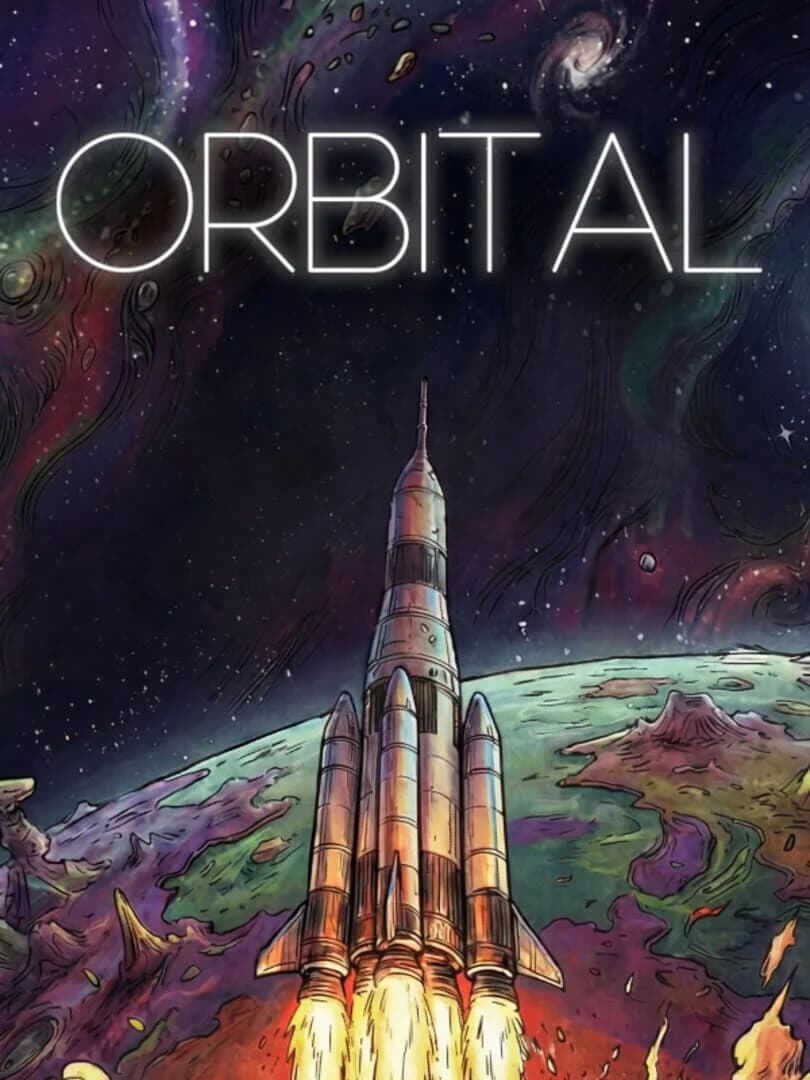
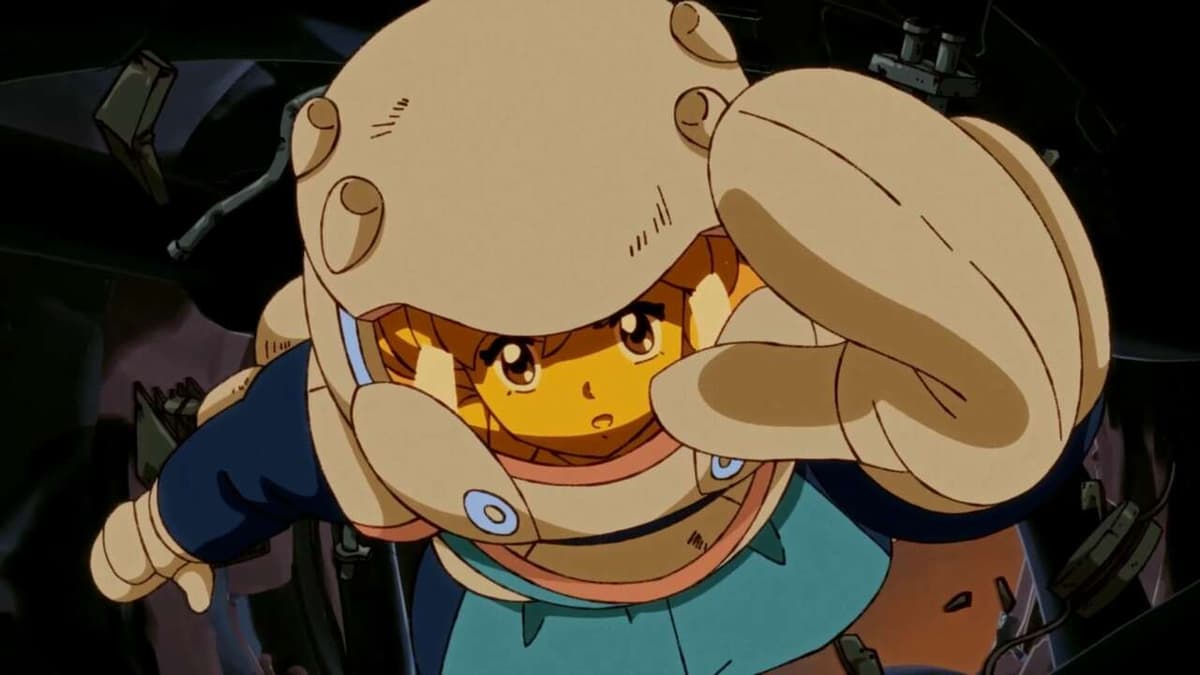
Orbitals isn’t applying a retro filter; it’s imitating the compositional choices of classic anime: limited palettes, hand-drawn character shapes, and painterly backgrounds. That choice does immediate heavy lifting for split-screen gameplay — bold lines and clear colors make two distinct play areas readable at a glance. More importantly, it gives the game a personality that differentiates it from the sea of indie co-op experiments.
How It Compares — and Where to Be Skeptical
Comparisons to Split Fiction are natural and mostly fair: both prioritize synchronous cooperation and conversation between players. Orbitals’ difference is its presentation and explicit scene design tailored to two people sharing one screen. That said, Nintendo calling it a Switch 2 exclusive and featuring it prominently doesn’t guarantee it’ll be a system seller. Exclusivity helps visibility, but this kind of intimate co-op usually grows by word of mouth — the game will need strong pacing, tight controls, and enough variety to keep pairs playing beyond the first few hours.
Technical and Design Signals
Running two rendered worlds at once while preserving detailed, anime-style art is not trivial. Orbitals’ trailer implies the engine is optimized for split-screen clarity and performance, and the inclusion of rhythm and arcade-shot segments suggests the game will mix visual styles — a good move to avoid monotony. GameShare support is a practical plus that lowers the barrier for households wanting to share the game, which fits neatly with a local co-op focus.
Why It Matters to Players
If you like cooperative games that require actual cooperation — not just two controllers on the same map — Orbitals should be on your radar. Its aesthetic will pull in players who love retro anime visuals, while the design promises meaningful player interdependence. For Nintendo, it helps diversify early Switch 2 offerings beyond third‑person blockbusters and multiplayer shooters.
- For local co-op fans: A rare new title focused on split-screen trust and choreography.
- For art-first players: A convincing attempt to make an aesthetic choice serve gameplay, not just nostalgia.
- Caveat: Exclusivity and trailers are great; long-term success depends on level variety and how well minigames punctuate primary puzzle loops.
TL;DR
Orbitals looks like a smart, stylish co-op that uses a genuine 1980s anime aesthetic to clarify split-screen play and amplify personality. As a Switch 2 exclusive with GameShare and a Summer 2026 window, it’s positioned to be one of the console’s more interesting early indies — provided Shapefarm follows through on varied content and tight cooperative design.
FinalBoss // Gear
Level up your setup
01Best-selling Switch 2 gameson Amazon→02Switch 2 accessorieson Amazon→038BitDo controllerson Amazon→04Discounted game keyson Kinguin→Affiliate links · As an Amazon Associate, FinalBoss earns from qualifying purchases.