

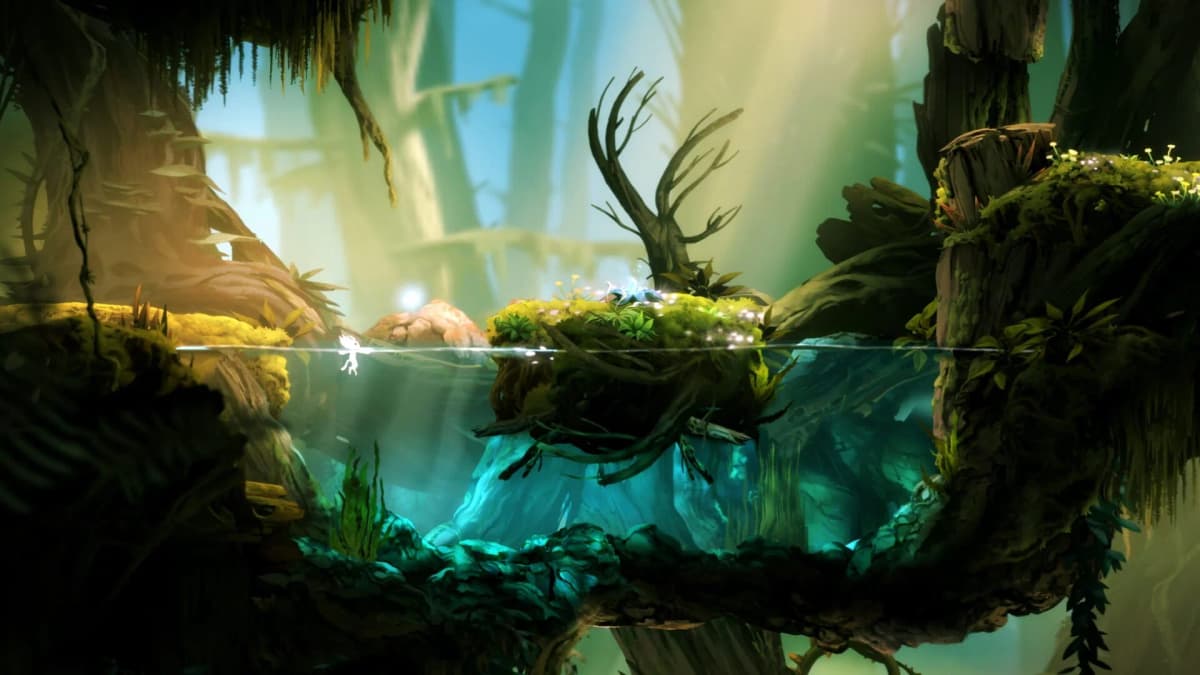
Back when the Xbox One was still finding its feet, Microsoft badly needed proof it could host something more than shooters and racing sims. Ori and the Blind Forest arrived like a counterargument: a hand-painted, tear-jerking platformer that felt almost too delicate for the console stereotyped by Halo and Gears of War. It gave the platform an artistic pulse. But Moon Studios CEO Thomas Mahler, the guy who directed that pulse, says Xbox never figured out how to build a body around it. And now Game Pass is bleeding because of it.
Mahler’s critique is not executive sour grapes. It is a player economics argument dressed up as studio frustration. His core claim is simple: Game Pass only functions when people willingly keep paying, and people only keep paying when the catalog is stocked with must-play hits. Right now, he says, it is not. And the rot traces back to a management culture that would rather factory-line nostalgia than protect the creative talent that turns a pretty platformer into a platform-defining phenomenon.
Table of Contents (4)
The “Voluntary Payment” Trap
Here is the brutal math of modern subscription services. A monthly fee stops being a decision you make and starts being a bill you forget. That is the business model. But Mahler frames Game Pass as a voluntary payment system, which means players are actively choosing to stay every billing cycle instead of sleepwalking through it. When your biggest recent draws are legacy franchises running on fumes and day-one releases that land with a whimper, that choice gets harder.
During Ori’s development, Xbox was still pinning its identity on Halo, Gears, and Forza-the holy trinity that defined the 360 era. Mahler notes the irony: player enthusiasm for those series declined precisely after their original architects, Bungie and Epic Games, moved on. Rather than seeding the next generation of platform-defining studios, Microsoft doubled down on the old playbook. The result, in his view, was a factory floor of content designed to fill slots, not capture imagination.

What “Phenomena” Actually Means for Your Wallet
Mahler’s critique implies a checklist that every Game Pass subscriber should internalize. A subscription service lives or dies by three things: platform identity, cultural reach, and long-tail engagement. Platform identity means a game that feels like it belongs to the ecosystem, not just a timed rental. Cultural reach means your non-gamer friends have heard of it. Long-tail engagement means you are still playing it, or talking about it, months after launch. Game Pass, by his accounting, has too many catalog entries that hit zero of those marks and not enough that hit all three.
The gaps run deeper than content mix. They are a timing and prioritization problem. Mahler points to studios like Double Fine, Compulsion Games, No Rest, and Ninja Theory as creative voices that needed stronger backing to produce event-level releases. Instead of incentivizing these teams to swing for major hits, he argues Xbox has been content to let studios “slop out mediocre content like a factory.” That line stings because it describes a subscription catalog padded with filler-games that check a box but never give you a reason to keep the tab open.
The Ori Problem Xbox Never Solved
This is where Mahler’s regret cuts deepest. Ori had the mechanics, the narrative weight, and the visual language to become a lasting platform signature-something that felt uniquely tied to the Xbox ecosystem. In his view, Xbox treated it as a pleasant aberration while chasing established IP and failing to adequately protect the creative talent behind its most distinctive work. Whether Ori would have become that broader identity under different leadership is speculative, but the argument is telling: you do not build an ecosystem on games people “should” play. You build it on games they cannot shut up about.
All of this arrives against a backdrop of Xbox layoffs and rumors of studio restructuring—precisely the kind of talent hemorrhaging Mahler warns against. If the platform cannot retain the creative forces that give it soul, why would players retain the subscription that funds it?
Before You Pay for Another Month
If you are trying to decide whether Game Pass deserves your money next billing cycle, stop looking at the total number of games and start looking for the phenomena. Here is the checklist Mahler’s critique ultimately hands to players:
- Platform Identity: Is there a game in the current catalog that feels like it could only exist on Xbox? Not a multiplatform port with a console skin, but something architecturally tied to the brand?
- Cultural Reach: Is any single upcoming release dominating conversation outside of core gaming circles? If your group chat is not buzzing about it, it is not pulling subscribers.
- Long-Tail Engagement: Are you still playing last month’s highlighted release, or did you bounce after two hours? A subscription is only valuable if the hits keep you hooked.
- Creative Risk: Is Xbox backing a studio doing something genuinely new, or is it funding another safe entry in a legacy franchise? If the lineup leans entirely on nostalgia, you are paying to access a back catalog, not a living platform.
If you are checking mostly negative boxes, you are not looking at a subscription service. You are looking at a gym membership you keep meaning to cancel.
The uncomfortable truth in Mahler’s critique is that Game Pass was always a bet on creative excellence subsidized by corporate patience. Microsoft seems to have run out of the latter. For players, the practical takeaway is simple: treat Game Pass like any other voluntary payment. If the catalog does not contain a must-play reason to stay—an Ori, a phenomenon, something you cannot get elsewhere—pause it. Your wallet should not be more loyal than the platform is to its own talent.
FinalBoss // Gear
Level up your setup
01Best-selling Xbox Series X|S gameson Amazon→02Xbox controllerson Amazon→03Top-rated gaming headsetson Amazon→04Discounted game keyson Kinguin→Affiliate links · As an Amazon Associate, FinalBoss earns from qualifying purchases.
Want to Level Up Your Gaming?
Get access to exclusive strategies, hidden tips, and pro-level insights that we don't share publicly.
Ultimate Gaming Strategy Guide + Weekly Pro Tips