
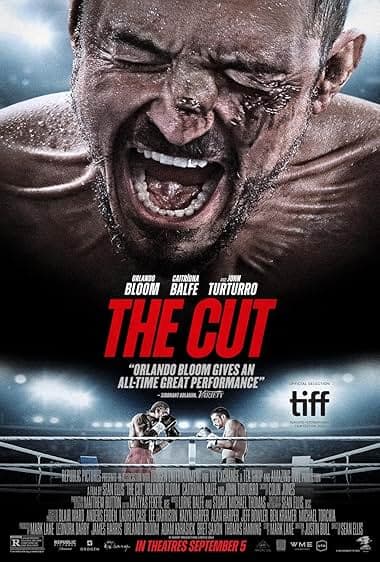
I didn’t expect to be thinking about career modes and stamina bars while reading about Orlando Bloom’s next film, but here we are. The actor best known to most of us as Legolas is starring in The Cut, a psychological boxing drama about the brutal, often ignored reality of weight cutting. It hits U.S. theaters on September 5, 2025, with no French date yet. As someone who’s sunk hours into Fight Night, EA Sports UFC, and even dipped into Undisputed, this angle immediately stood out-because games almost never go there.
The premise is deceptively simple: a retired world champion boxer returns to defend his title, but the true battle isn’t in the ring-it’s making weight. That’s a fresh angle. Most boxing films chase the same highs: late-night roadwork, mitt sessions, a bruising montage, then a climactic slugfest. The Cut pivots to the purgatory before the weigh-in: sauna suits, dehydration, self-doubt, and the gnawing mental grind that doesn’t make highlight reels.
Bloom told Collider, in a quote originally given in French: “I just acted in and produced a very small film called The Cut, for which I had to undergo a huge physical transformation. I went from 83 to 68 kilos. I love the world of boxing, but it’s a film that focuses on weight loss, so the battle isn’t physical; it’s a battle over the weight cut, and I thought that angle was interesting.”
Actors starving for roles—sometimes literally—is nothing new. But weight cutting isn’t just “getting shredded for the camera.” It’s a dangerous, tactical, and sometimes reckless part of combat sports. Fighters push their bodies to the brink to qualify for a lower weight class, then rehydrate and pray their engine restarts in time for the bell. If The Cut treats that with honesty instead of glam, it could land closer to The Wrestler’s hard truths than yet another glossy comeback fantasy.
Fight games love the sizzle of fight night but usually skip the ugliest steak. Career modes handle camps as a loop of spar, rest, and train—hit the heavy bag, upgrade perks, manage superficial fatigue. In EA Sports UFC, the weigh-in is an on-rails cutscene. In classic Fight Night, weight classes are just menu selections. Even newer sims like Undisputed focus on tactics, not the pre-fight misery. That’s not a moral failing; it’s a design choice to keep the fun flowing. But it leaves a big chunk of reality—and drama—untapped.
Imagine a career mode where the decision to drop a division becomes a real calculated risk, not a stat optimization. You’d weigh short-term advantage against long-term health: hydration meters, mood and focus impacts, cumulative damage that lingers across camps. Skip meals for speed? Your chin suffers. Miss weight? Blow the payday, lose ranking, anger your gym. There’s a way to model this ethically—by refusing to reward unsafe choices and building systems that punish short-sighted min-maxing.
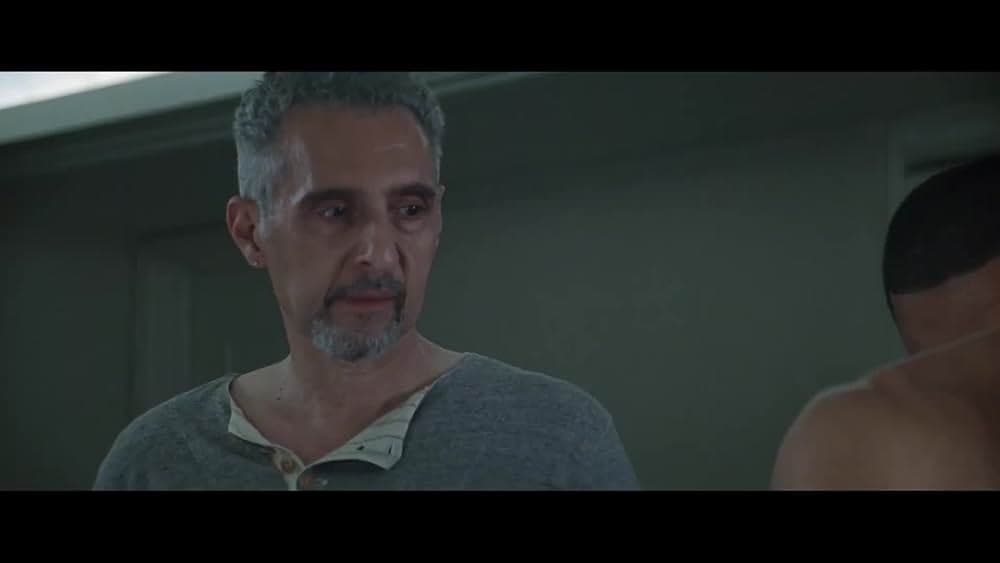
We’ve seen sports games flirt with similar complexity. Red Dead Redemption 2 tracked body weight with subtle stat shifts. Survival titles tie hydration and stamina to performance. Even F1 games simulate heat management and driver fatigue over a season. Combat sports deserve that same respect for nuance. If The Cut sparks conversations about authenticity, it could push fight sims toward more thoughtful, less arcade-y career arcs—without turning them into misery simulators.
We’ve had great boxing films—Creed, Southpaw, Warrior (MMA)—but they rarely stay with the fighter on the scale. It’s not glamorous, and it complicates the underdog myth. The Cut, produced with Paramount involved, is pitching its entire identity on that uncomfortable truth. I’m cautiously optimistic. This could be a sincere character study, or it could be the latest “actor goes extreme for art” headline in search of awards buzz. Bloom’s transformation—roughly 15 kg (33 lbs)—is striking, but the film’s value will come down to whether it humanizes the process instead of fetishizing it.
The U.S. date is locked for September 5, 2025; there’s no French release date yet. Realistically, if the film lands with critics, international distribution should follow. If it doesn’t, expect a quiet streaming drop months later. Either way, the subject matter is strong enough to cut through hype cycles—especially if the film focuses on the cost of “victory” rather than another slo-mo knockout moment.
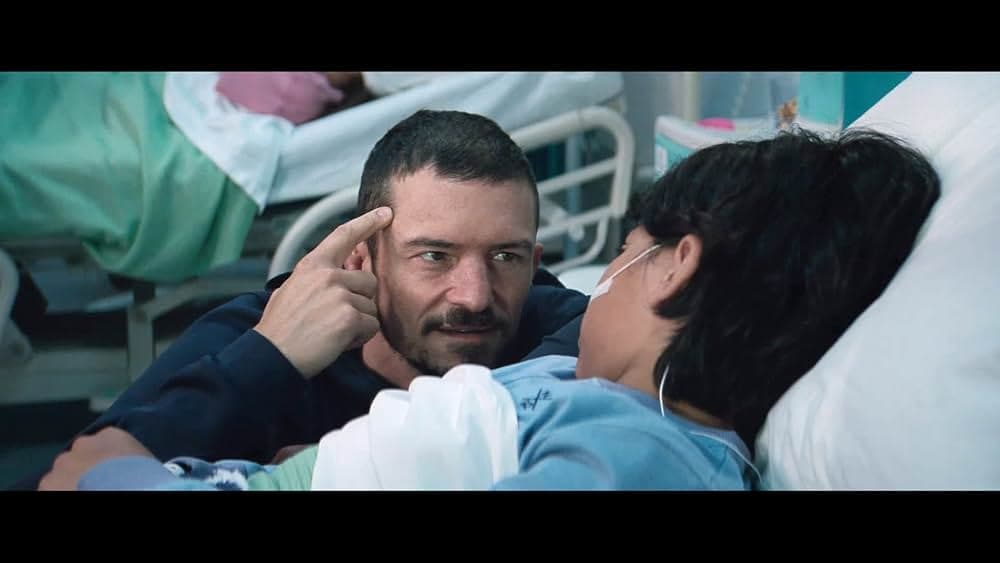
This caught my attention because games built my expectations of the fight game: clean weigh-ins, stamina bars, judges who don’t hate me quite as much as they do in real life. A movie like The Cut reminds us there’s a whole unseen boss fight before the ring walk. If developers are serious about immersion, this is a chance to evolve—make weight management part of strategy, tie it to long-term career health, and treat player welfare as a mechanic, not a tooltip. And if you don’t want that? Cool—keep the casual modes brisk and cinematic. Choice is king.
Orlando Bloom’s The Cut zeroes in on weight cutting—the most stressful fight a boxer faces—and that’s a fresh, necessary angle. Out in the U.S. on Sept 5, 2025, with other regions TBA, it’s the kind of story that could nudge fight games toward smarter, more honest career systems. If the film resists glamorizing the pain and tells the truth, both cinema and sports sims stand to benefit.
Get access to exclusive strategies, hidden tips, and pro-level insights that we don't share publicly.
Ultimate Gaming Strategy Guide + Weekly Pro Tips