
Steam reviews are messy, emotional, and easy to game. That is exactly why developers do not get cute with them. Outbound learned that the hard way after Square Glade Games replied to a negative user review by saying the player could request a full refund and that the studio would appreciate it if the review was then updated or removed. The backlash was immediate, and the studio has now apologized, deleted the replies, and said it will stop asking players to change negative reviews. Good. Necessary. Also not the whole story.
The real issue is not just one badly phrased Steam comment. It is that a highly wishlisted indie launched with enough disappointment around bugs, multiplayer stability, shallow systems, and price-to-content concerns that the team apparently slipped into reputation-defense mode. That is the part gamers should pay attention to. Apologies can clean up optics. They do not automatically rebuild confidence in the product or in how a studio handles criticism under pressure.
Table of Contents (4)
This crossed a line for a reason
Let’s be blunt: asking for a review to be changed or removed after offering a refund is the kind of thing that sets off every alarm around review manipulation, even if the studio’s intent was clumsy customer service rather than some grand scam. Steam reviews matter because they are one of the few storefront signals buyers still use before throwing money at an early access or indie launch. Once a developer appears to be bargaining around that system, the trust damage is bigger than the single comment that caused it.
Square Glade’s apology, as reported across multiple outlets, says the team understands the communication “felt wrong,” removed the original comments, and will no longer ask anyone to change negative reviews. That is the correct retreat. But notice what the apology does and does not do. It acknowledges the wording and the perception. It does not really defend the underlying logic, because it can’t. There is no clean version of “please refund and maybe take down the negative review” that looks good once it leaves the drafting stage.
If I were in that press Q&A, the obvious follow-up would be simple: was this an improvised support reply from a stressed team member, or did Square Glade have a broader internal habit of treating negative Steam reviews as something to negotiate away? The apology calms the fire. It does not fully answer that question.
The backlash did not come out of nowhere
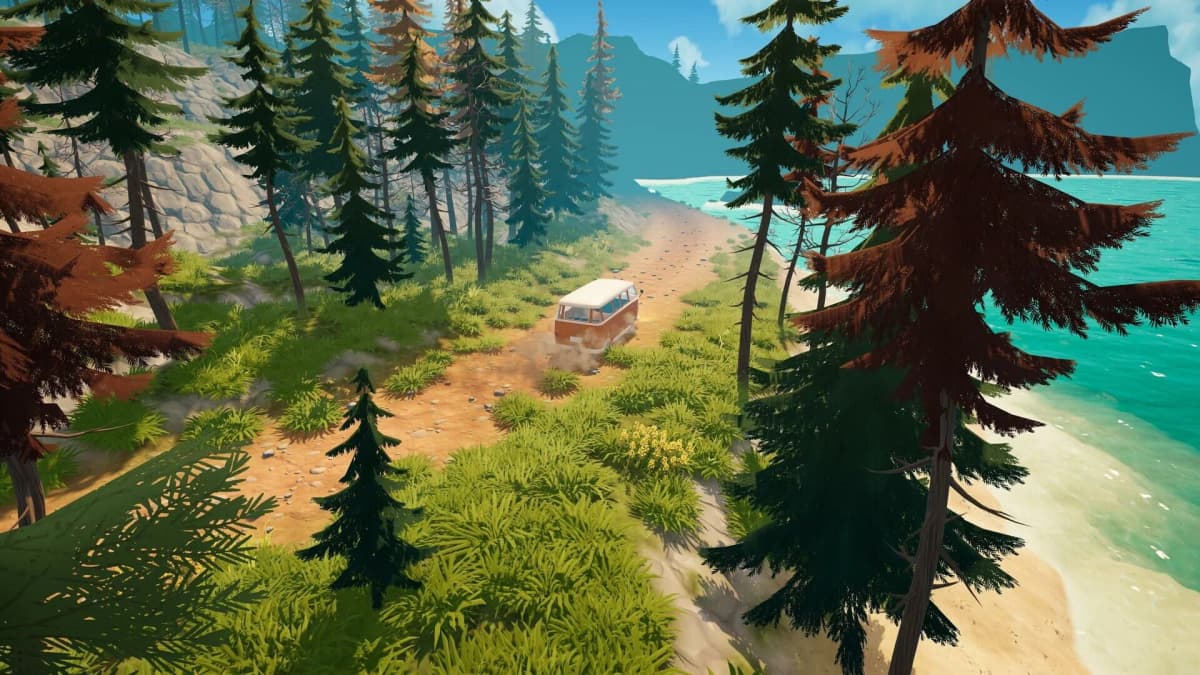
This is the part PR statements always want to compress into “launch pressure.” Yes, launch pressure is real. It also tends to reveal the truth faster than a polished trailer ever will. Outbound arrived with a lot of momentum behind it, including a strong demo showing and reports of roughly 1.5 million wishlists before release. That kind of runway creates dangerous expectations. If the final experience then lands with complaints about repetitive gameplay, limited survival depth, technical problems, or a price that players feel overstates the package, the comedown is brutal.
In other words, the review controversy was not the cause of all the negativity. It was gasoline on a fire that was already burning. Players were already unhappy with the game they bought. The Steam reply simply turned a normal rough-launch story into a credibility story.
That distinction matters because some studios try to frame incidents like this as internet overreaction detached from the game itself. Here, the broader complaints seem pretty clear. Reports cite criticism around short playtime, flatter-than-expected survival mechanics, and launch issues severe enough that post-release patches have focused on multiplayer stability. That is not a fabricated outrage cycle. That is a game running into the oldest trap in PC development: wishlist heat and demo buzz convincing everyone a launch is stronger than it actually is.

The apology helps, but Steam buyers should stay practical
There are two separate judgments players need to make now.
- First: did the studio handle reviews badly? Yes. It has now admitted enough to stop doing it.
- Second: is the game itself worth buying right now? That answer is still about patches, systems depth, and player sentiment over the next few weeks-not about the apology.
That second question is the one that actually affects your wallet. A lot of coverage will stop at “developer apologizes after backlash,” because that is the clean narrative beat. But if you are deciding whether to buy Outbound, the useful read is harsher: a studio under launch stress made a terrible call while trying to contain dissatisfaction, and that usually means the launch-state problems were serious enough to scare the people closest to them.
Steam’s review ecosystem is already fragile. Players review-bomb. Studios plead their case in comments. Language barriers can distort what feedback is actually about. We have seen review scores swing hard around balance changes, monetization, server failures, and plain old unmet expectations. That is exactly why developers need to respect the remaining guardrails. Once players suspect the score is being massaged from the developer side, every legitimate positive review gets a little less persuasive.
To Square Glade’s credit, stopping the practice quickly is better than digging in. Plenty of companies make the first mistake. The really stupid ones turn it into a philosophy. This studio appears to have recognized that faster than some bigger publishers would. But “we were overwhelmed” is explanation, not absolution.
What actually matters next is boring, which is how you know it’s real
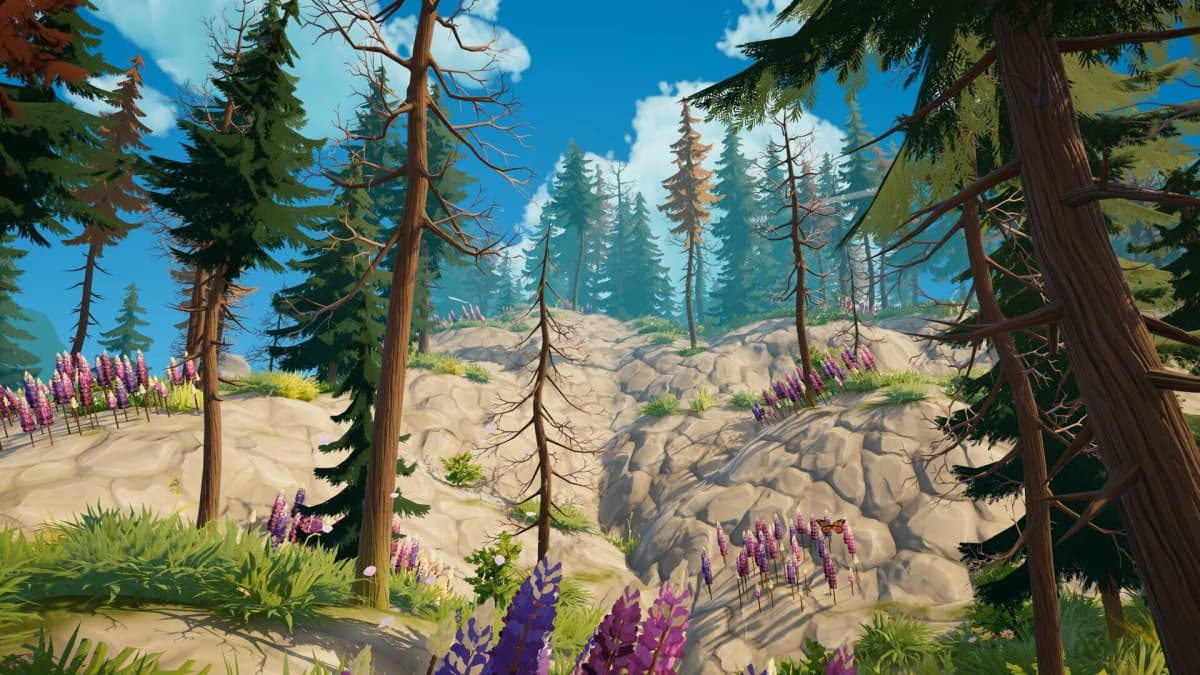
The next signal is not another apology post. It is whether the patch notes keep landing and whether player reviews start changing for ordinary reasons: better performance, steadier co-op, fewer bugs, more confidence that the systems have enough depth to justify the asking price. If recent Steam sentiment improves because the game improves, great. That is how the system is supposed to work.
Watch three things. First, multiplayer stability updates, because technical friction kills co-op survival games fast. Second, whether Square Glade addresses the criticism about shallow mechanics and short runtime instead of treating this as a pure PR event. Third, whether the review score rebounds gradually rather than lurching upward after community management cleanup. A healthy recovery looks slow and earned.
The verdict is simple: the apology was necessary, but it solved the easiest part of Outbound’s problem. The bad reply is gone. The trust gap is not. If you were already in, monitor the updates. If you were on the fence, this is not the moment to give a shaky launch the benefit of the doubt just because the studio found the right tone a day later. Steam buyers do not need prettier wording. They need a better game and a developer that knows reviews are feedback, not debris to be cleared off the runway.
FinalBoss // Gear
Level up your setup
01Top-rated gaming headsetson Amazon→02High-refresh gaming monitorson Amazon→03Gaming chairson Amazon→04Discounted game keyson Kinguin→Affiliate links · As an Amazon Associate, FinalBoss earns from qualifying purchases.
Want to Level Up Your Gaming?
Get access to exclusive strategies, hidden tips, and pro-level insights that we don't share publicly.
Ultimate Gaming Strategy Guide + Weekly Pro Tips