
Every so often, a game launch quietly commands attention—not through blockbuster budgets, but through the unmistakable imprint of a singular vision. Outrider Mako, arriving on Steam after nine years of solo development by Asamado Games, is precisely that kind of rare find. When a single creator shoulders design, art, music, code and everything else, you can’t help but lean in and ask: has indie gaming unearthed its next cult classic?
Development History: Nine Years in the Making
The story behind Outrider Mako is as compelling as the game itself. A single developer spent nearly a decade refining every detail—from the pixel outlines to the beat of each musical cue. While the indie dev narrative can sometimes be romanticized, few projects genuinely earn that label. Asamado Games’ unwavering commitment is evident in how polished the core systems feel, even in early Steam builds. Yet, the extended timeline also raises questions: does absolute creative freedom translate to mechanical depth? Or might there be features left unexplored for want of collaborative input?
Gameplay Mechanics: The Red Nectar Factor
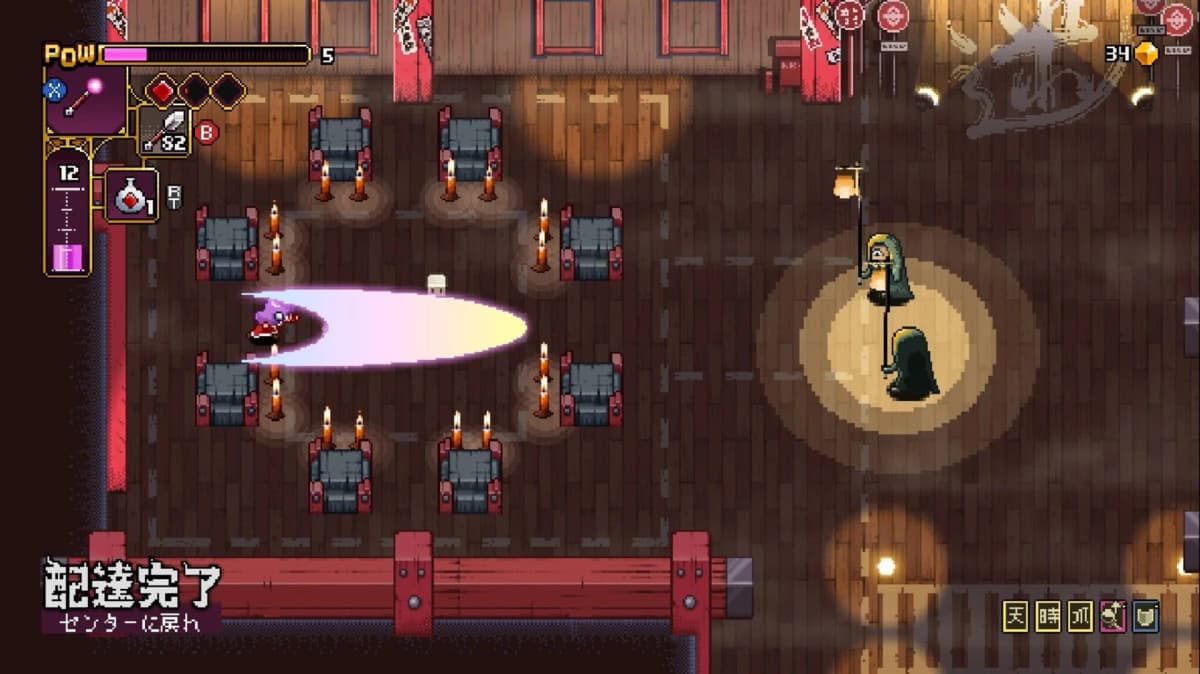
On the surface, Outrider Mako channels classics like Hyper Light Drifter or the original Zelda—tight top-down action, unforgiving encounters, a focus on mastery over button-mashing. What sets it apart is the “red nectar” mechanic. Rather than simply dealing raw damage, you must first apply this crimson toxin to stagger enemies, slow their attacks and gain a tactical upper hand. It elevates each skirmish from a twitch reflex test to a mini puzzle: how many doses should you administer? When do you conserve resources for a looming boss fight?
It’s an intriguing system, though not without its quirks. Early testing reveals moments where the nectar’s effect feels either too potent or too subtle, suggesting balance tweaks are still necessary. The game demands patience and pattern recognition—qualities that will thrill veterans but may frustrate players accustomed to more forgiving difficulty curves.
World-Building and Artistry: A Psychedelic Purgatory
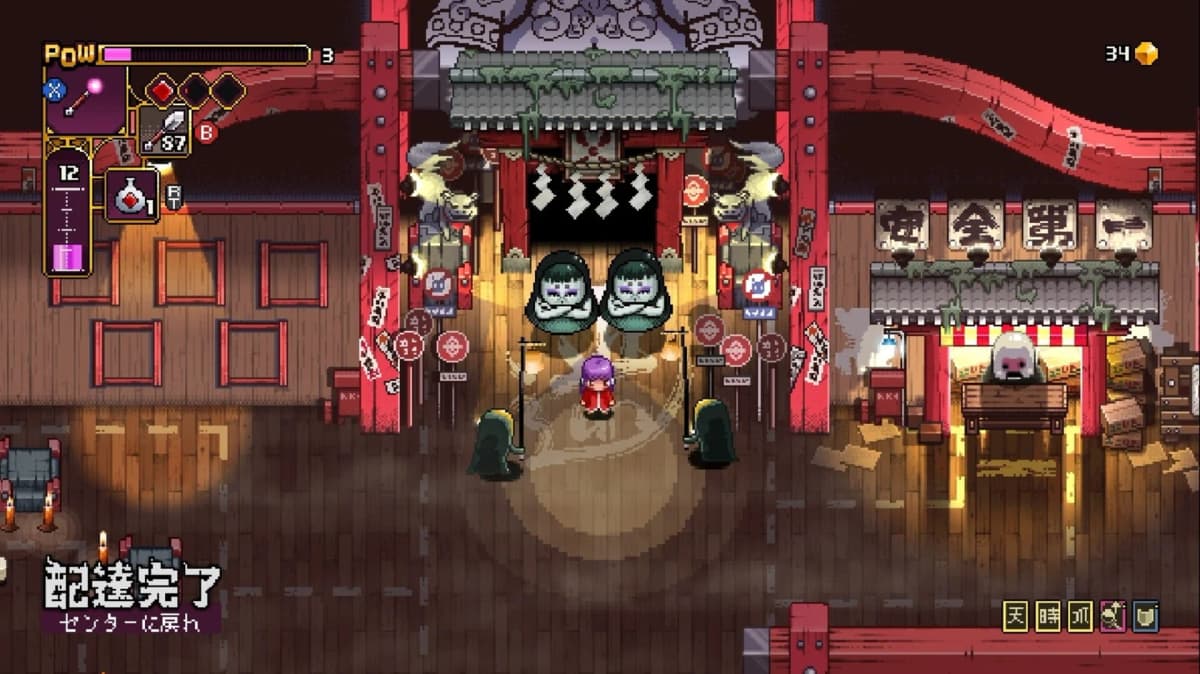
Outrider Mako unfolds across the Mayoi World, a hand-drawn tapestry of spirit gods, delivery quests and surreal landscapes. Instead of trotting out medieval castles or pixelated sci-fi tropes, Asamado Games opted for a kaleidoscopic setting where every delivery package advances both narrative and character progression. The structure evokes trading sequences from classic adventures, yet with a soulslike twist: each successful quest inching you closer to escape—or so you hope.
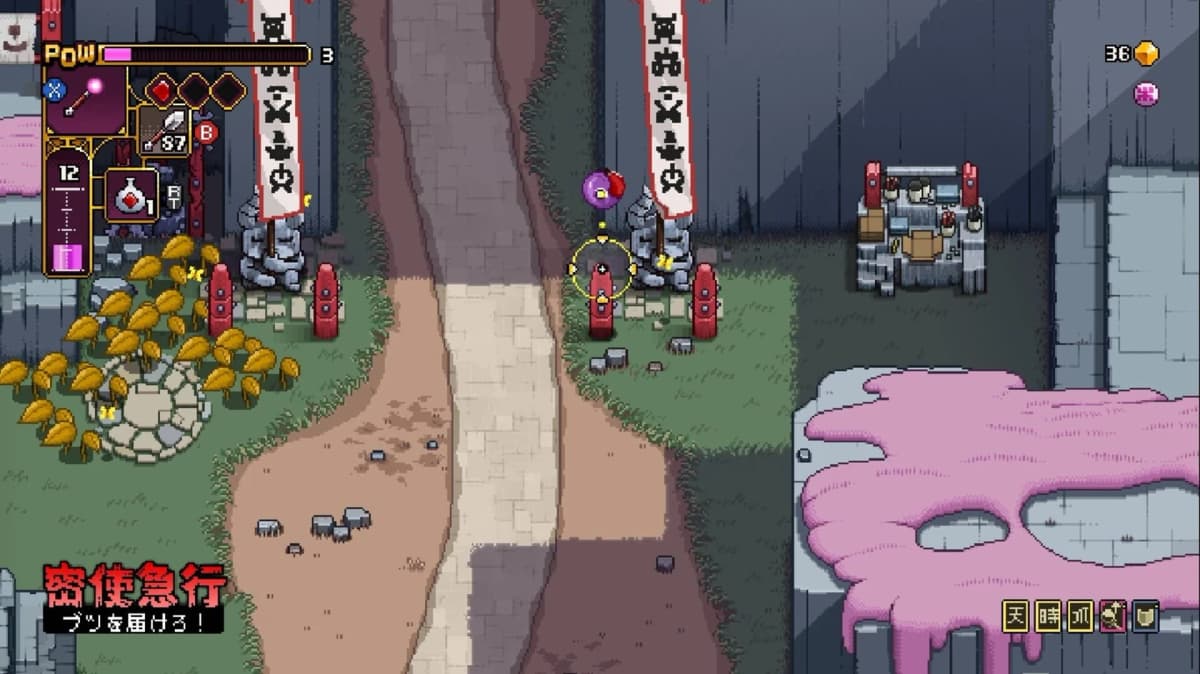
The visual style is a standout feature. Crisp pixel art characters flit across backgrounds awash in neon and deep shadows. Animations carry a subtle fluidity that belies the solo development effort behind them. However, there are occasional texture inconsistencies in larger scenes, hinting that more heads in the dev team might have caught minor slip-ups sooner.
Audio and Soundtrack: Handcrafted Harmony
Music and sound design in Outrider Mako feel intimately personal, the hallmarks of a true passion project. The included 20-track soundtrack is available in a launch bundle, and each composition underscores the game’s blend of nostalgia and novelty. From rhythmic percussion in tense boss areas to ethereal melodies in exploratory zones, the audio cues guide you just as much as the on-screen indicators. While the quality is impressive, an external review or collaboration with a seasoned composer could uncover fresh sonic layers or soothe moments where repetition creeps in over extended play sessions.
Pricing and Value Proposition
At $17.99, with a 10% launch discount and optional soundtrack bundle, Outrider Mako places itself in the sweet spot of indie pricing. There are no microtransactions, no live-service hooks—just an upfront purchase for a complete experience. In a climate where “indie” sometimes means “retro façade plus in-app store,” this straightforward model is a breath of fresh air. That said, potential buyers should be aware that post-launch DLC plans or free content updates haven’t been fully outlined. Future research could clarify whether the game’s lifespan extends beyond the core campaign.
Potential Drawbacks: A Balanced Perspective
No indie project is flawless, and Outrider Mako is no exception. Combat variety dips noticeably once you exhaust the red nectar tools—basic attacks and dodge rolls begin to feel repetitive. The nine-year solo cycle means the sheer volume of content doesn’t rival larger studios’ offerings. Also, the steep learning curve could alienate newcomers who prefer more hand-holding or clearer tutorials. A few optional accessibility settings—slightly lower difficulty modes, more explicit on-screen prompts—could expand the game’s reach without compromising its challenging ethos.
Final Thoughts: Who Should Play Outrider Mako?
If you’re a veteran of SNES-era action games or a devotee of indies that demand both attention and skill, Outrider Mako delivers a satisfying punch. It’s a distilled expression of solo-crafted creativity—tight, idiosyncratic and unafraid to stand apart from mainstream design. Will every player embrace its raw edges? Unlikely. But for those drawn to niche challenges, handcrafted pixel atmospheres and strategic combat, this is an unmissable journey. Outrider Mako may not rewrite the genre, but it reaffirms why indie passion projects remain vital to gaming’s creative ecosystem.