
Overwatch 2’s next hero isn’t just another shiny DPS – she’s Blizzard trying to fix its story problem, its meta problem, and its “why should I care anymore?” problem in one swing.
Table of Contents (7)
Key takeaways
- Sierra is a ranged Damage hero and Head of Security at Watchpoint: Grand Mesa, arriving with Season 2: Summit on April 14, alongside the Switch 2 launch.
- Her kit blends precision rifle fire, homing trackers, a mobile grapple drone, and likely explosive utility – tailor-made for montages and potential balance nightmares.
- The “Summit Breach” cinematic keeps the Reign of Talon storyline front and centre, a clear attempt to restore the big-universe feel Overwatch fumbled when PvE got axed.
- She’s the sixth of ten 2026 heroes; that pace is great for content, dangerous for clarity, and very convenient for a battle-pass-driven economy.
Sierra is Blizzard trying to prove Overwatch still has a soul
Blizzard could have dropped Sierra with a 30‑second gameplay sizzle reel and called it a day. Instead, we got “Summit Breach” – a full cinematic short set around the Naughton Vault, with Talon agents, Deadlock involvement, and a clean introduction to Sierra as Watchpoint: Grand Mesa’s hardline Head of Security.
That’s not just flavour. It’s Blizzard loudly insisting that Overwatch still has a coherent narrative, even after binning its grand PvE campaign and leaving half the cast’s arcs in limbo. Season 1 of the Reign of Talon rework already pushed the story back into the foreground; Sierra is the next step, folding a hero release into an ongoing Talon‑centric arc rather than a disconnected character vignette.
The short shows her climbing a snow‑capped mountain, coordinating with an off‑screen handler, and dropping in to shut down a weapons extraction. It name‑drops factions, teases a character called Henry, and clearly sets up future beats. PC Gamer’s right on one thing: this is the closest Overwatch has felt to having a TV‑season style structure in years.
The subtext is obvious: sierra is coming to overwatch 2’s season 2 (summit) on april 14 not just as “Hero 51,” but as evidence the live‑service reboot isn’t just skin bundles and limited‑time modes. Whether that’s enough to win back players burned by broken promises is another question entirely.
Her kit screams “highlight reel” — and potential balance disaster
On paper, Sierra is a ranged Damage hero built to live on the edge of a fight and then instantly reposition when things go south.
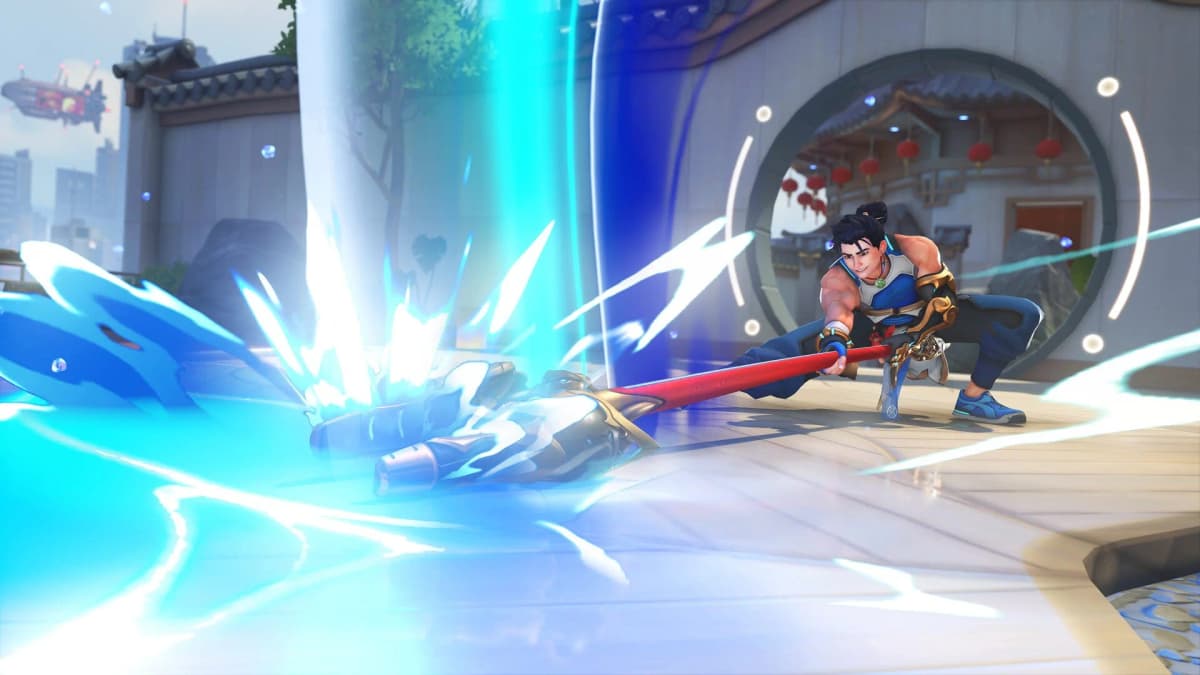
From the cinematic and follow‑up gameplay breakdowns, here’s what’s clear or strongly implied:
- Helix Rifle: a bursty energy rifle with a visible helix pattern to its shots. Think somewhere between Soldier: 76 and Sojourn — mid‑range, scoped precision not required, but skill clearly rewarded.
- Tracking shot: she tags enemies with a dart or beacon, which then calls down homing missiles in the trailers. If that auto‑aim component makes it in as‑is, expect instant arguments about “aim assist for DPS mains.”
- Anchor Drone “Dorothy”: a tethered arm‑bot that lets her grapple across gaps and swing around cover. It’s environmental mobility like Wrecking Ball and Lifeweaver’s platforms had a baby, but far more directional.
- Explosive utility: quick glimpses suggest some sort of grenade or area denial tool, rounding out the assassin toolbox.
Blizzard has a pattern: new heroes arrive slightly overtuned, drive engagement, then get trimmed back down. Sojourn, Kiriko, Illari — all shipped strong enough to warp ranked for a while. Sierra has all the hallmarks of another launch monster: extreme mobility, strong poke, and a kit that can punish tanks and supports who dare to exist in open space.
The uncomfortable bit Blizzard’s not putting in the trailers: hero designs like this widen the gap between casual and competitive experience. In Quick Play, swinging around on a robo‑bird while calling in missile strikes is going to feel amazing. In Masters and up, if she has even slightly overtuned numbers, she becomes a must‑pick and yet another layer of complexity on top of an already overloaded meta.
The real balance test isn’t just “is she strong?” It’s whether she replaces existing picks (Sojourn, Ashe, Echo) or stacks on top of them as yet another mobility‑heavy, burst‑friendly option. Overwatch has seen what happens when one archetype dominates for too long. Nobody wants “Grapple DPS meta” to be the new GOATS.
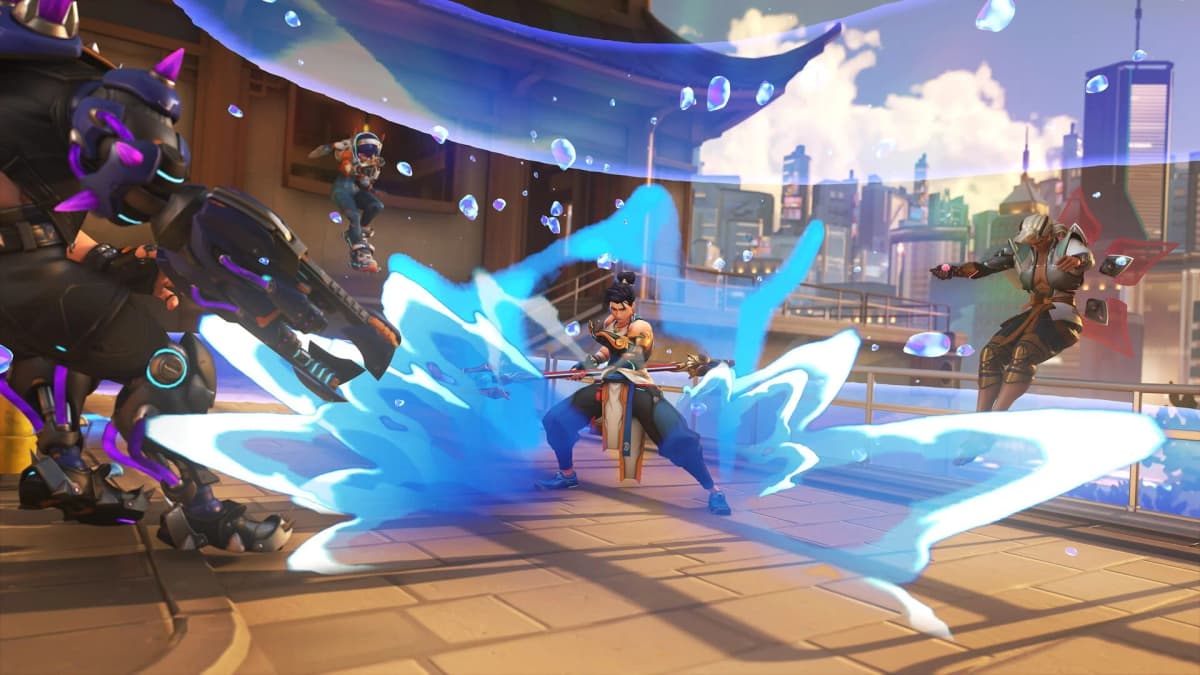
Ten heroes in 2026: content cadence or power creep on a schedule?
Blizzard has already said Sierra is the sixth of ten heroes planned for 2026, all loosely connected to the Reign of Talon storyline. On a content calendar, that looks fantastic: new heroes, new cinematics, regular marketing beats. For players actually trying to keep up, it’s… a lot.
Live‑service math is brutal: every hero has to justify its existence in a monetised ecosystem. Even after Blizzard softened some of the early Overwatch 2 battle pass lock‑ins, the economic gravity hasn’t changed. New heroes are engagement spikes. Engagement spikes sell premium tracks, skins, and bundles.
That creates a familiar tension: design heroes interesting enough to shake the meta and headline a season, without invalidating half the roster or turning ranked into a constant patch‑note exam. Sierra, with a complex kit and obvious skill expression, lands right in the middle of that minefield.
And that’s before you factor in newer or returning players. By the time Season 2: Summit lands, Overwatch 2 on Switch 2 will be welcoming people who haven’t touched the game since original launch — or at all. Dropping them into a 50‑plus hero pool where six of those characters didn’t exist last year is a big ask.
Switch 2 launch makes Sierra’s debut a stress test
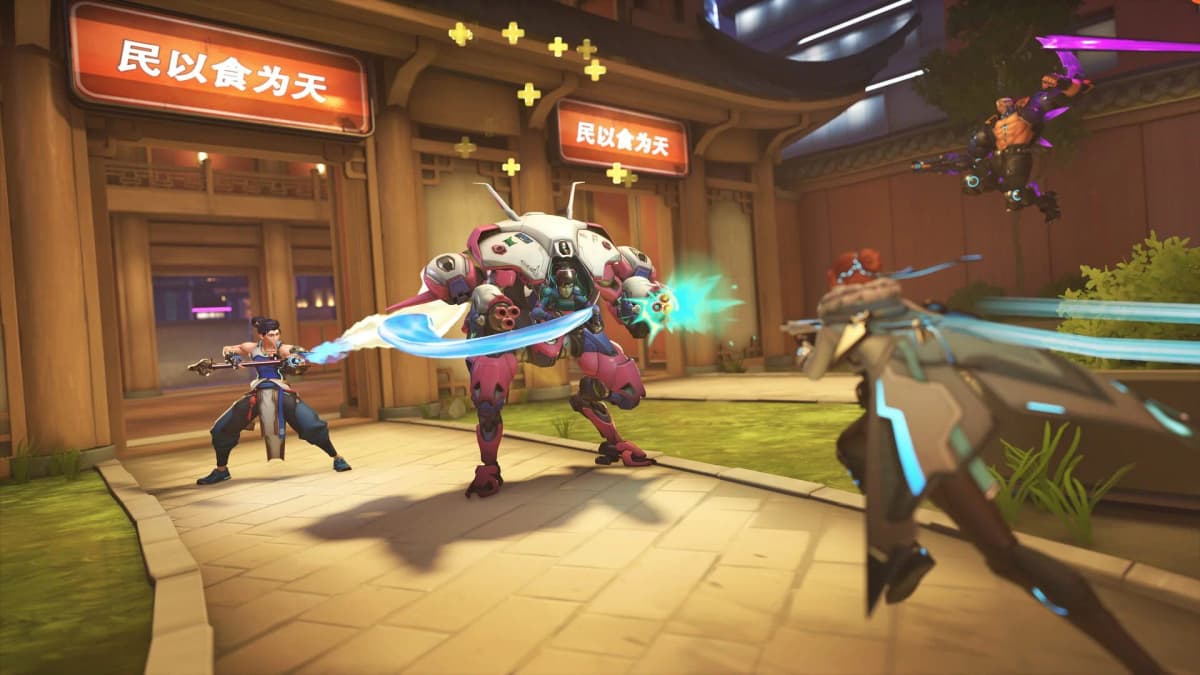
The timing is not subtle. Season 2: Summit, Sierra’s release, and the native Switch 2 version all hit on April 14. That’s Blizzard betting that Overwatch can still be a system‑seller style experience: slick hero shooter, flashy cinematics, big seasonal arc, hop in and grind.
For new players on Nintendo’s hardware, Sierra will likely be one of the game’s “default faces” alongside Tracer and Winston — the hero plastered over promos and console dashboards. If her kit is too complex, she risks being another Echo situation: beloved by diehards, barely touched by everyone else. If she’s too simple, she doesn’t justify the narrative spotlight Blizzard has wrapped around her.
There’s also the server and matchmaking reality. A new platform + a new hero + a new season is a perfect recipe for day‑one chaos. Queue imbalances, Sierra instalock wars, and early quitters will say a lot about how well Overwatch 2’s backend can handle its own ambition in 2026.
What to watch after Sierra lands
- Day‑one balance: If Sierra’s win and pick rates spike hard in high ranks in the first two weeks, expect an emergency nerf — and the usual “Blizzard did this on purpose” discourse.
- Unlock friction: How painful she is to unlock for free‑to‑play users in Season 2 will show how far Blizzard has really pulled back from its most aggressive battle pass tactics.
- Story follow‑through: The next Talon‑related event or cinematic after “Summit Breach” will reveal whether this arc is real long‑form storytelling or just marketing dressing on a standard hero drop.
- Queue health: Watch DPS queue times and platform stability around April 14, especially on Switch 2. If Blizzard can’t keep matches flowing during what should be a peak moment, that’s a red flag.
TL;DR
Sierra joins Overwatch 2 as a ranged Damage hero with a helix rifle, homing trackers, and a grappling drone when Season 2: Summit launches on April 14 alongside the Switch 2 version. Her cinematic reveal doubles down on the Reign of Talon storyline, signalling Blizzard’s attempt to make Overwatch feel like a real evolving universe again, not just a patch cycle. Whether she becomes a fresh reason to care or just another overtuned, battle‑pass‑selling meta problem depends on how Blizzard handles her numbers, her unlocks, and the story beats that follow — and that tension is exactly where Overwatch lives right now.
FinalBoss // Gear
Level up your setup
01Top-rated gaming headsetson Amazon→02High-refresh gaming monitorson Amazon→03Gaming chairson Amazon→04Discounted game keyson Kinguin→Affiliate links · As an Amazon Associate, FinalBoss earns from qualifying purchases.
Want to Level Up Your Gaming?
Get access to exclusive strategies, hidden tips, and pro-level insights that we don't share publicly.
Ultimate Gaming Strategy Guide + Weekly Pro Tips