
Season 2: Summit isn’t just “new hero, new map, new skins” – it’s Blizzard quietly rewiring how Overwatch 2 keeps you logging in, dressing that overhaul up with a very sharp new DPS and a lore-heavy event.
Table of Contents (8)
Key takeaways
- Sierra is a recon DPS built around information, tracking, and mobility – she’ll punish bad positioning more than she’ll top damage charts.
- Operation: Grand Mesa is a three-week, lore-forward event that’s the closest Overwatch 2 has come to the PvE it cancelled, but still lives inside the live-service grind.
- Antarctic Peninsula’s rework and Stadium Quickplay tweaks are about fixing flow and funneling players into Blizzard’s preferred modes.
- Perks, post-match accolades, and another wave of mythic cosmetics are the real engine here: this season is about engagement systems as much as gameplay.
Sierra is built to win information wars, not highlight reels
Sierra joins as Overwatch’s 51st hero and another entry in the increasingly crowded DPS roster, but Blizzard is at least carving out a distinct niche: recon damage. She’s Head of Security at Watchpoint: Grand Mesa, with a personal grudge against the Soldier Enhancement Program after it claimed her mother as its first test subject. That puts her squarely in the crosshairs of Jack Morrison and Gabriel Reyes’ past, which Season 2 is clearly leaning on.
On the gameplay side, Sierra is a toolbox hero built around precision and setup. Her primary weapon, the Helix Rifle, rewards accuracy over spam. The more interesting piece is her Anchor Drone, Dorothy: you can launch it to scout, then grapple to it for sudden repositioning and vision. It’s part mobility, part recon, and it turns verticality and off-angles into her real resource.
Two abilities define her pressure pattern:
- Tracking Shot tags enemies, turning them into literal targets for Sierra and her team. It’s soft wallhack utility in a game that already lives and dies on information.
- A spike projectile with a delayed detonation punishes chokepoints and predictable peeks, forcing movement rather than just delivering burst.
Then there are her perks – the kind of thing most trailers gloss over, but that actually decide whether a hero feels good in a grind:
- Medi-Drone lets Dorothy carry a small health pack, so grappling to your drone is both mobility and self-sustain. That’s a big deal for flanking and solo plays.
- Locked In gives you a 20% attack speed spike for a short window after landing a Tracking Shot, directly tying mechanical skill to burst potential.
Put it together and Sierra is less “new hitscan god” and more “information controller.” She’ll feel oppressive in coordinated stacks that can capitalize on tags and angles, and merely annoying in solo queue where nobody looks at the outlines you painstakingly painted on the enemy team.
If I had Blizzard’s PR in front of me, the question would be simple: why should a lapsed player come back for Sierra specifically, when your DPS roster is already bloated? The honest answer is that she isn’t a power-creep magnet; she’s an identity play. If you like Sombra and Widow but want something more active and mobile, she’s designed for you. That’s smart – but it won’t magically fix queue times on her own.
Grand Mesa is Overwatch’s almost-but-not-quite PvE apology
Operation: Grand Mesa is a three-week, time-limited “meta-event” running from April 14 to early May. It’s framed around Sierra’s home base and the Reign of Talon story arc, with missions and challenges that drip-feed lore, cosmetics, and progression rewards as you clear its operation track.
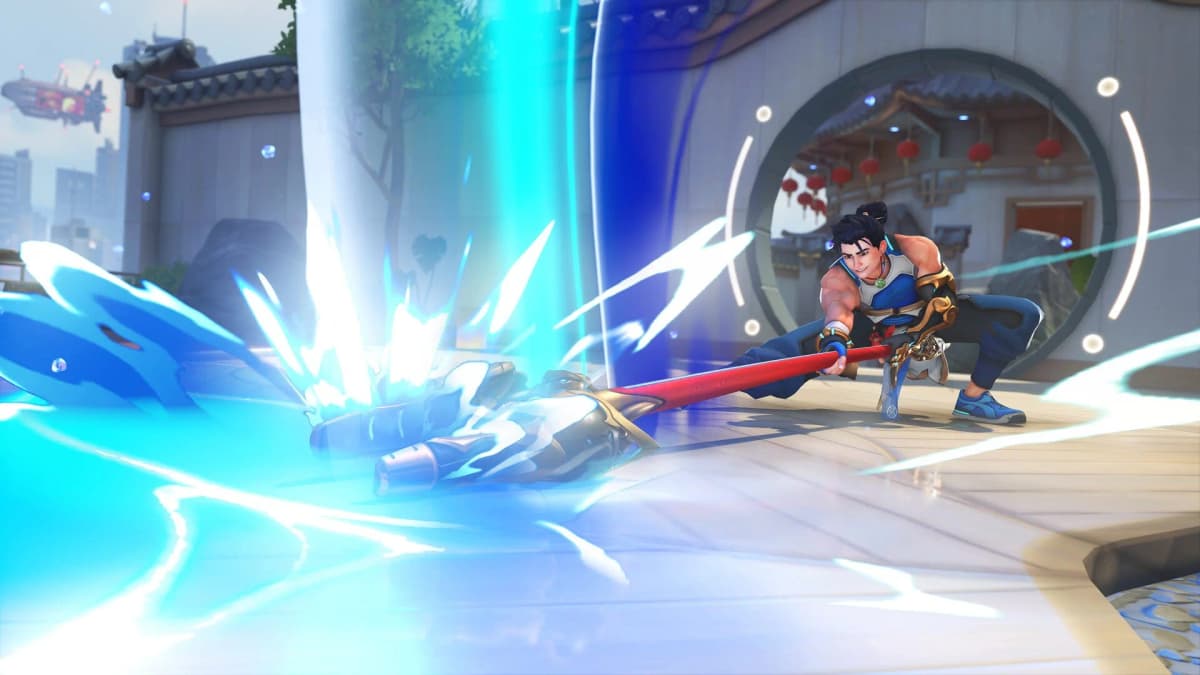
This is the template Blizzard has shifted to since it binned Overwatch 2’s big PvE campaign: story as seasonal wrapper, not standalone mode. Grand Mesa gives you narrative snippets, event-specific rewards, and likely a couple of bespoke twists on existing modes, but everything lives inside the standard live-service treadmill.
To be fair, the Grand Mesa framing is stronger than some past events. Tying the new hero directly into an in-game operation, then backing it up with a hero cinematic and external lore (like the Overwatch webtoon tie-in) is a better approach than just dumping a comic on the website and calling it a day. The Notten Vault extraction teased in Sierra’s cinematic hints at Talon, Deadlock, and wider weapons-smuggling threads that could carry this arc past a single season.
But again, the uncomfortable part: this is still a replacement, not a fulfillment, of the original PvE promise. There are no long-form skill trees, no full co-op campaign, just another seasonal track with better dressing. If you’ve made peace with that, Grand Mesa looks like one of the more coherent Overwatch events in a while. If you haven’t, it’s another reminder of what got cut.
Antarctica and Stadium: Blizzard quietly nudges you where it wants you
The Antarctic Peninsula rework is Blizzard admitting what every ranked player already knew: the map had issues. Long, punishing sightlines, awkward cover, and snowball-friendly routes made some rounds feel decided before the first teamfight ended. Summit’s update reworks that flow – adjusting lanes, objectives, and how quickly you can rotate – to push fights into fairer territory.
On paper, this is exactly what you want from a live-service shooter: map problems get addressed, not ignored. The more interesting bit is how Blizzard is pairing these changes with Competitive adjustments that reduce rank progress penalties on new or reworked maps. Translation: they know people dodge unfamiliar layouts, so they’re bribing you, softly, to actually play them.
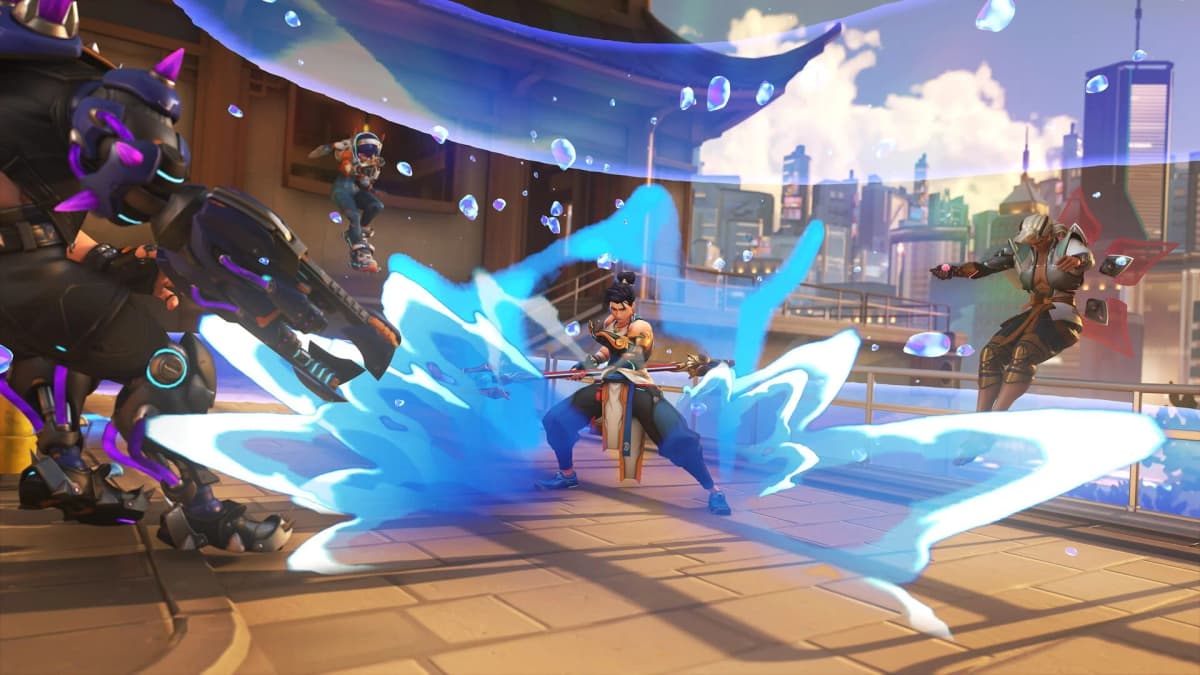
Then there’s Stadium Quickplay. Stadium has been Blizzard’s curated rule-set playground – a way to test tweaks and put specific experiences in front of players who don’t touch Arcade. With Summit, Stadium is being used to spotlight new Perk configurations and seasonal twists. Think of it as a live balance lab disguised as a fun mode.
The shift matters because it shows where Blizzard wants your time. Between Stadium, map-voting overhauls, and soft incentives around reworked maps, the game is increasingly steering you into “current season” content whether you care about the story or not. It’s smart design from an engagement standpoint, but it does risk making old content feel abandoned faster.
Perks, accolades, and cosmetics are the real season spine
Underneath all the lore and map talk, Season 2: Summit is another big step in Overwatch 2’s transformation into a progression-first game.
Perks continue to get iterated on – not just for Sierra, but across the roster. The idea is simple: micro-modifiers that slightly tilt your playstyle without breaking balance. In practice, they’re a gigantic retention hook. Chasing the “right” perk setup for your mains gives Blizzard a reason to keep you on the treadmill long after you’ve finished the battle pass.
Post-match accolades are the social grease on that system. Summit adds a more robust accolades screen and even experiments with lobby voice chat flowing through that interface. It’s part recognition, part soft enforcement of positive behavior – and another way to show you that yes, your time here mattered enough to earn digital pats on the back.
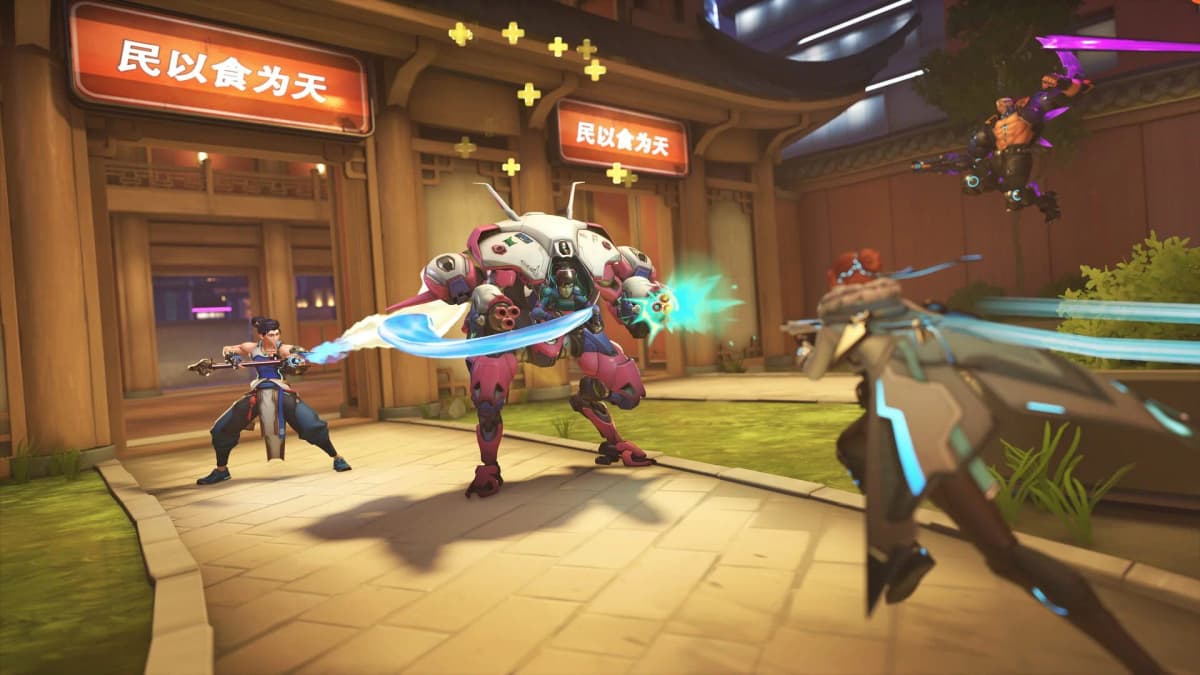
And then there are the cosmetics, because this is Overwatch 2:
- Mythic skins for Soldier: 76 and Genji, pushing the highest-tier cosmetics onto two of the game’s most-played heroes.
- Mythic weapon skins as another layer of flex for people already decked out.
- A Diablo 4 crossover with Mephisto Ramattra and the return of collaborations like the LE SSERAFIM bundle in shop rotations.
- A fresh battle pass packed with the usual mix of sprays, intros, and themed skins orbiting the Summit/Talon arc.
This is where the money is. The systems improvements – better accolades, perk refinements, Stadium tweaks – are all in service of keeping you present for these drops. That doesn’t make them bad; it just makes their purpose clear.
The question Blizzard still hasn’t really answered
Season 2: Summit is one of the more cohesive Overwatch 2 seasons: new hero with strong identity, event that actually ties into her story, meaningful map work, and a clear systems push. It’s a far cry from the directionless mid-life malaise that killed the first game’s update cadence.
The missing piece is the one Blizzard has been dodging since it scrapped the big PvE push: what is Overwatch 2 actually “about” now? If the answer is “tight seasonal arcs plus long-term progression systems,” Summit is a solid argument for that model. But it also doubles down on the reality that Overwatch is now a live-service shooter first, hero shooter second, and cinematic universe somewhere after that.
For players, the practical lens is simple: after the hype settles, how much of this season will you still feel in your day-to-day matches? Sierra’s recon playstyle and the Antarctica rework will have the longest legs. Grand Mesa, Stadium’s current flavor, and the event cosmetics are all temporary by design.
What to watch this season
- First two weeks of balance data: If Sierra’s tracking and mobility dominate, expect a quick round of nerfs that define her “real” kit.
- Operation: Grand Mesa completion rates: If players actually finish the event track, Blizzard doubles down on meta-events; if not, expect a quieter format next time.
- Queue health on reworked maps: Reduced rank penalties are a tell – if dodges and early leaves stay high, more radical map changes may follow.
- Engagement around Stadium Quickplay: If players treat it as a main mode rather than a novelty, Stadium becomes Blizzard’s main sandbox for future experiments.
TL;DR
Overwatch 2: Season 2 – Summit drops Sierra, a recon-focused DPS with a tight lore hook and a kit built around information and mobility, alongside the three-week Operation: Grand Mesa event and an Antarctic Peninsula rework. Underneath the hero and story dressing, the season is really about systems: perks, post-match accolades, Stadium Quickplay tweaks, and another round of mythic cosmetics aimed at keeping you in the loop. If you’re coming back, come back for Sierra and the map changes – and treat Grand Mesa and the event grind as a bonus, not the main course.
FinalBoss // Gear
Level up your setup
01Top-rated gaming headsetson Amazon→02High-refresh gaming monitorson Amazon→03Gaming chairson Amazon→04Discounted game keyson Kinguin→Affiliate links · As an Amazon Associate, FinalBoss earns from qualifying purchases.
Want to Level Up Your Gaming?
Get access to exclusive strategies, hidden tips, and pro-level insights that we don't share publicly.
Ultimate Gaming Strategy Guide + Weekly Pro Tips