
This caught my attention because Blizzard is finally making a bet on speed and storytelling at once: ditching the “2” signals a shift from sequel thinking to an always‑on Overwatch that plans to ship big content fast – and it’s starting with five new heroes, five more promised, and a six‑season narrative across 2026.
Table of Contents (6)
Overwatch rebrands to “Overwatch” – Season 1 “The Reign of Talon” kicks off a rapid, live‑service era
- Key Takeaways
- Blizzard has rebranded Overwatch 2 back to Overwatch and launched Season 1, “The Reign of Talon” (starts Feb 10, 2026), beginning a six‑season narrative arc for 2026.
- Five heroes arrive immediately (Domina, Emre, Mizuki, Anran, Jetpack Cat); five more are planned across the year – plus new maps, cinematics, and systems updates.
- Director Aaron Keller says recent foundational work in 2025 (hero perks, Stadium mode, bans) made this faster, live‑service approach possible — “we couldn’t have done this a year ago.”
- The rebrand is both practical and symbolic: it removes sequel expectations and commits the team to an evolving, always‑on game rather than a numbered follow‑up.
{{INFO_TABLE_START}}
Publisher|Blizzard
Release Date|2026-02-10 (Season 1 launch)
Category|Live‑service FPS / Competitive PvP
Platform|PC, PlayStation, Xbox (console availability ongoing)
{{INFO_TABLE_END}}
What changed — and what you actually get in Season 1
Season 1, “The Reign of Talon,” is more than a content drop — it’s a cadence and narrative commitment. Blizzard is framing 2026 as a single story arc with a clear beginning, middle, and end across six seasons. That translates into new heroes (five live now, five later), maps, cinematics and motion comics, map changes driven by narrative events, new voice lines, and recurring in‑game events tied to the Talon conflict.
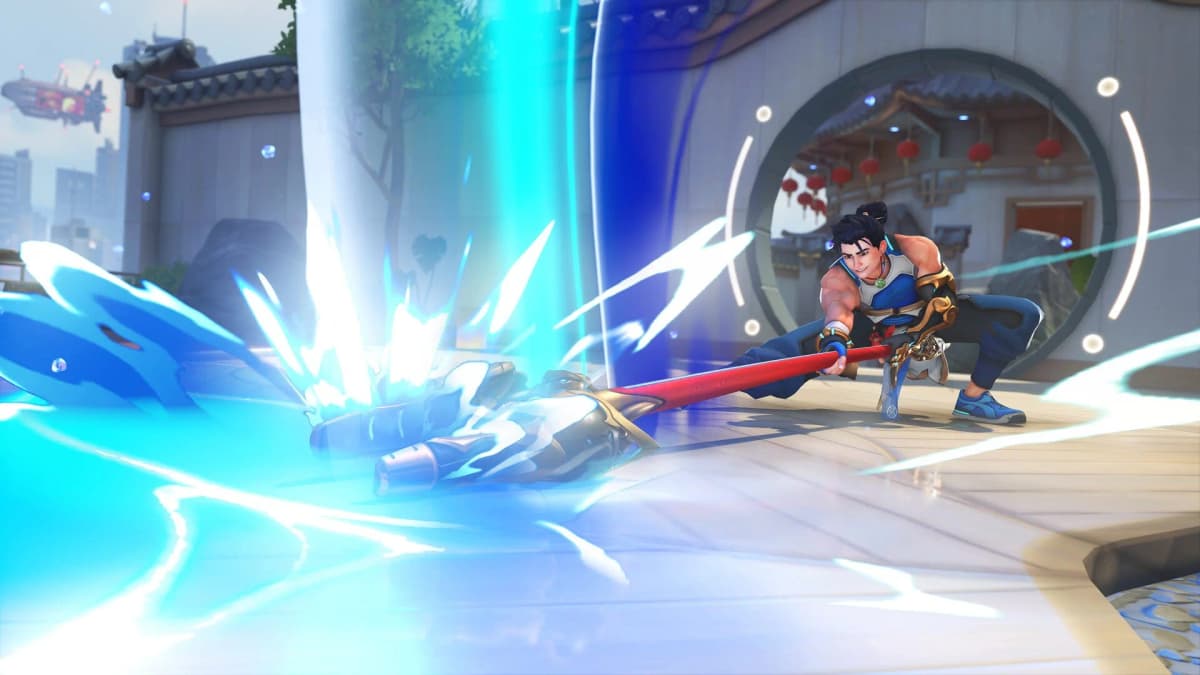
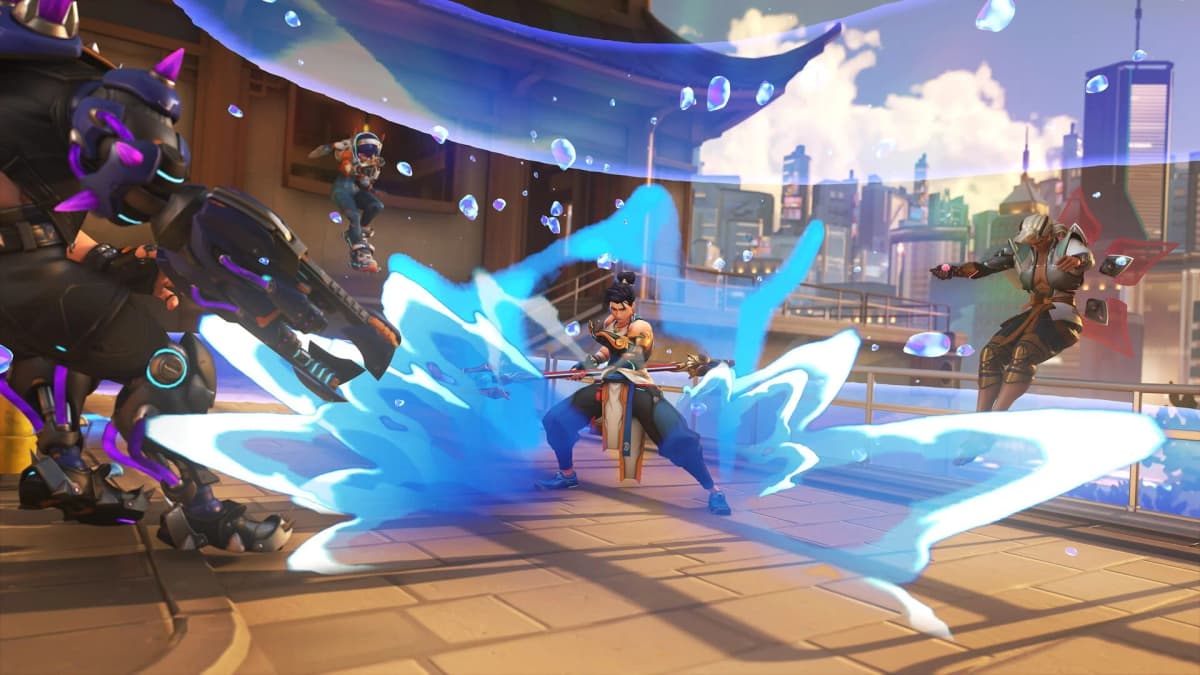
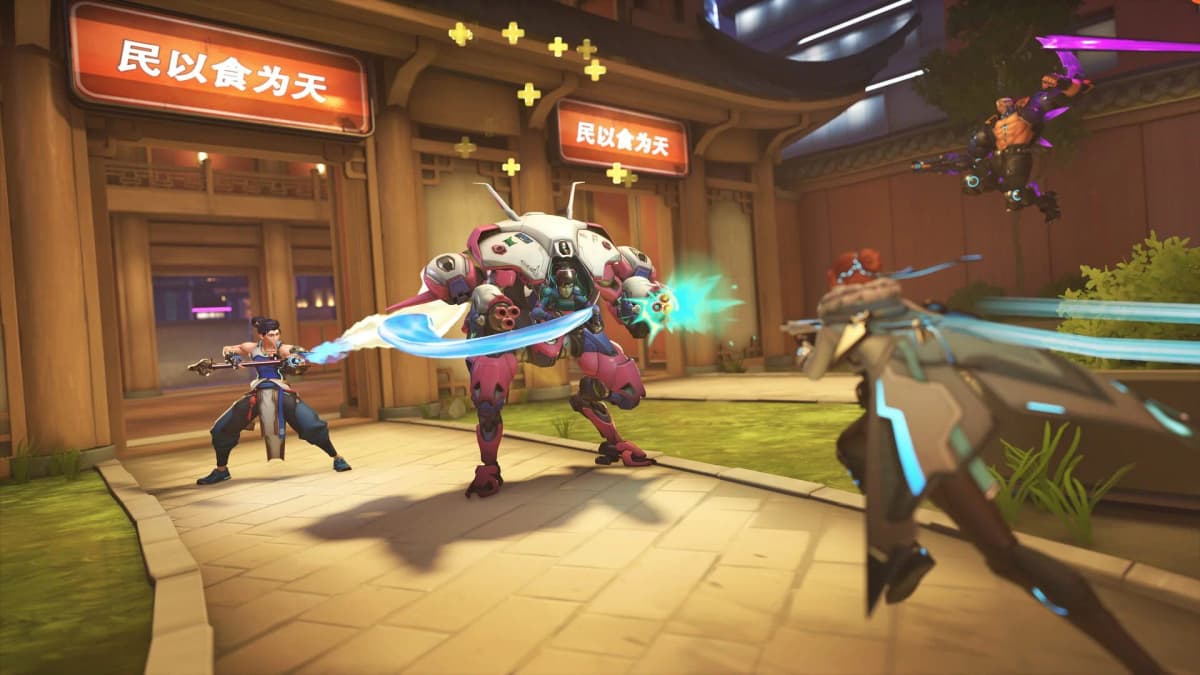
The immediate roster additions are a mix of roles and flavor: Domina (space‑controlling tank and Vishkar president), Emre (ex‑Overwatch soldier), Mizuki (Hashimoto‑clan support), Anran (fiery DPS, Wuyang’s older sister), and the community meme finally incarnate — Jetpack Cat. That kind of variety is designed to shake up meta and give players fresh hooks to reengage.
Why now? Foundations first
Aaron Keller’s point is blunt and useful: Overwatch needed systems stability before it could scale content quickly. 2025 brought major groundwork — hero perks, Overwatch Stadium, competitive hero bans — that let Team 4 say with confidence: we can push rapid, large drops without collapsing balance and progression. “To be honest, we couldn’t have done this a year ago,” he writes, and that matters. Ramping up live‑service velocity before the systems are in place is how you create chaos, player frustration, and balance nightmares.
The rebrand also removes a psychological anchor. The “2” made players mentally file the game as incomplete or waiting for a sequel. Dropping the numeral reframes Overwatch as the ongoing product it already is — a deliberate move to set expectations and calm the “When is Overwatch 3?” chatter.
Analysis: promising move — but challenges remain
This is an exciting pivot that fixes a perception problem and leans into the live‑service era where consistent, meaningful updates win. For players who drifted away, the theatrical rollout — cinematics, motion comics, map changes tied to a central villain — gives reasons to return beyond purely mechanical updates.
That said, delivering ten heroes in a single year is a balancing act. Rapid hero introductions can strain matchmaking, competitive integrity, and onboarding for new players. Blizzard will need robust telemetry, faster hotfix workflows, and clear onboarding (they’ve already published catch‑ups on perks and Stadium) to avoid overwhelming the player base.
Another open question is monetization and player sentiment. Live‑service speed is great when content quality and fairness remain high; it becomes a problem if new heroes and events are gated behind aggressive monetization. Blizzard’s credibility here will hinge on transparent progression paths and competitive fairness.
What this means for you
- If you left Overwatch during earlier turbulence, this is the clearest “come back” signal yet — new story beats, maps, and a sustained content plan make reentry worthwhile.
- Competitive players should watch for how hero influx impacts rank and pro play; expect a testing window and balance focus early in each season.
- Community members who care about narrative will finally get stitched‑together storylines across seasons, not disjointed hero bios and one‑off short stories.
Personally, this feels like a smart course correction: less sequel marketing, more product focus. The risk is execution speed versus stability, but the groundwork in 2025 gives me cautious optimism that Blizzard knows what it’s doing this time.
TL;DR
Blizzard has rebranded Overwatch 2 back to Overwatch and launched Season 1, “The Reign of Talon,” starting Feb 10, 2026. The studio is committing to a six‑season narrative across 2026, dropping five heroes now and five more later, plus maps, cinematics, and systems updates. The “why now” answer: 2025’s foundational changes finally let them scale content quickly and responsibly — “we couldn’t have done this a year ago.” It’s a bold, sensible pivot that fixes perception problems and promises a busier, story‑driven Overwatch — but success will depend on balance, onboarding, and monetization choices.
FinalBoss // Gear
Level up your setup
01Top-rated gaming headsetson Amazon→02High-refresh gaming monitorson Amazon→03Gaming chairson Amazon→04Discounted game keyson Kinguin→Affiliate links · As an Amazon Associate, FinalBoss earns from qualifying purchases.