
This caught my attention because Blizzard has built a reputation on carefully crafted characters and tight gameplay loops. In an era when many studios are rushing to bake generative AI into production, Blizzard’s leadership is publicly pushing back – for now – while still creating room to experiment inside a formal governance framework.
Overwatch Team Is “Not Comfortable” Releasing AI-Generated Content – What That Actually Means
- Blizzard’s Overwatch team says it won’t publish AI-generated content to players today — they want the game to retain a “handcrafted” feel.
- President Johanna Faries says Blizzard will let teams explore AI but under a centralized governance team and responsible-use guardrails.
- Developer caveat: the company isn’t using AI to create characters or gameplay “right now,” which leaves the door open for future changes.
- Separately, Overwatch 2 is being rebranded back to Overwatch and will add five new heroes — a meta shake-up on the horizon.
{{INFO_TABLE_START}}
Publisher|Blizzard
Release Date|2024
Category|Product & Development News
Platform|PC, PlayStation, Xbox
{{INFO_TABLE_END}}
The headline quote comes from game director Aaron Keller: “We don’t want to put AI-generated content out in front of players. That’s just not something that we’re comfortable doing. We want this to feel like a handcrafted universe…” That directness matters. It signals a cultural choice as much as a technical one — Blizzard is leaning on the studio’s identity as a creator of polished, artist-driven worlds rather than an early adopter of generative solutions for player-facing assets.
At the corporate level, president Johanna Faries tempered that stance with structure rather than blanket rejection. Blizzard has formed a centralized governance team to assess where AI “can or should” fit into development cycles, and she explicitly wants devs to be able to experiment responsibly if it reduces drudgery or unlocks creativity. In short: no public-facing generative content for Overwatch today, but a sandboxed, cautious path for future tools.
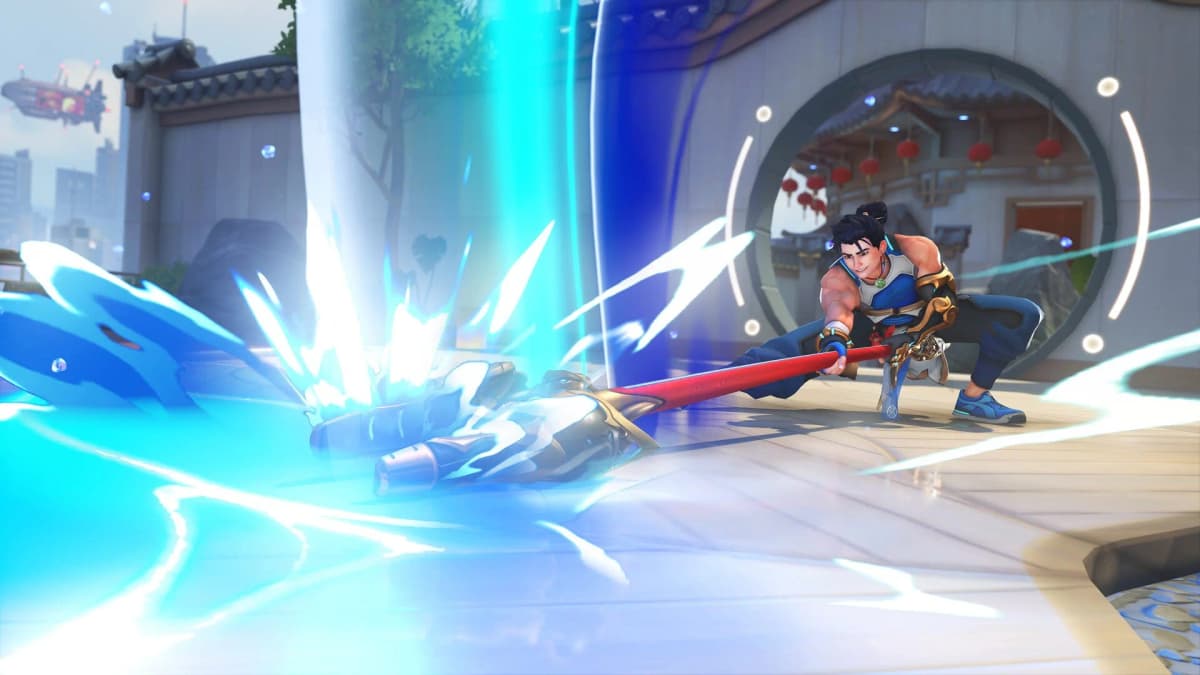
Why this matters: Blizzard’s brand equity rests heavily on design craft. Players notice when animations, voicelines, or hero identities feel formulaic; they also punish sloppy balancing. By drawing a hard line around AI-generated content in the live game, Blizzard is prioritizing perceived quality and trust. That comes at a cost — manual creation is slower and more expensive — but it may preserve long-term player goodwill.
Context matters, too. Blizzard sits under Microsoft, a company aggressively investing in AI across products. Inside the Activision umbrella, other teams have admitted to using generative AI for Call of Duty content. Blizzard’s approach looks like an attempt to reconcile two forces: corporate-level investment in AI and a studio-level emphasis on craftsmanship. The centralized governance team appears to be the compromise — let teams play, but set standards first.
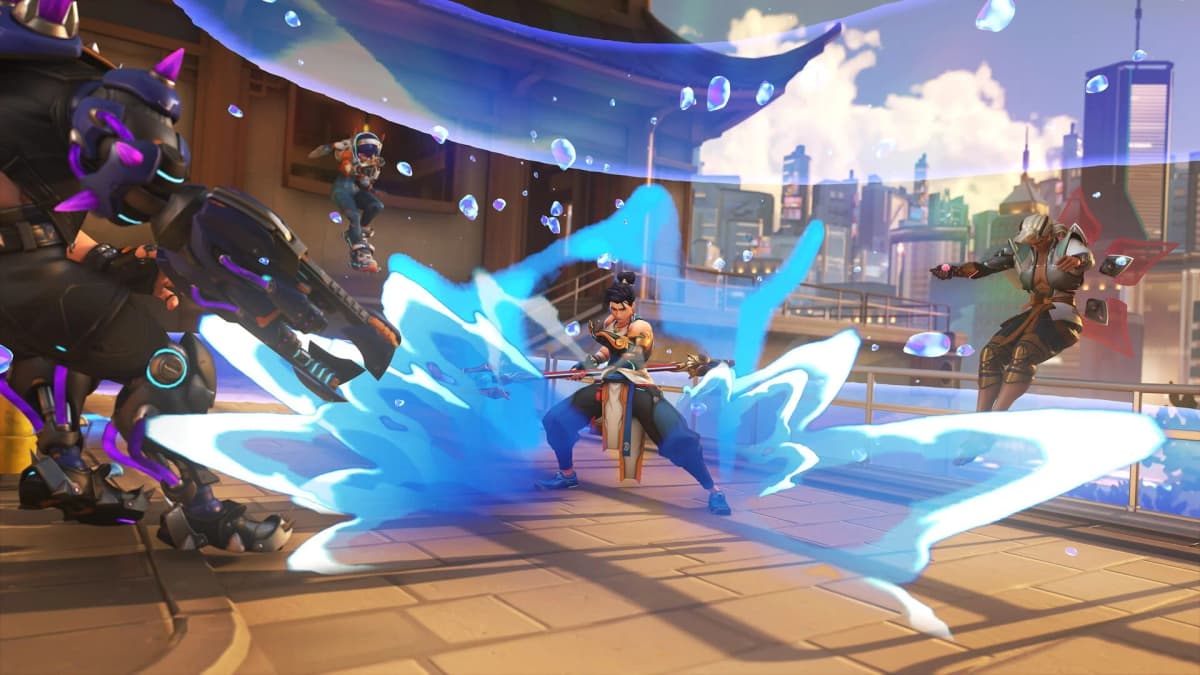
There’s also a practical ambiguity here: what counts as “AI-generated”? Many studios already use ML-based tools for non-player-facing tasks — upscaling textures, procedural iteration, or automating animation cleanup — without advertising them as “AI content.” Keller’s “not right now” phrasing acknowledges that line will likely shift as tools and norms evolve.
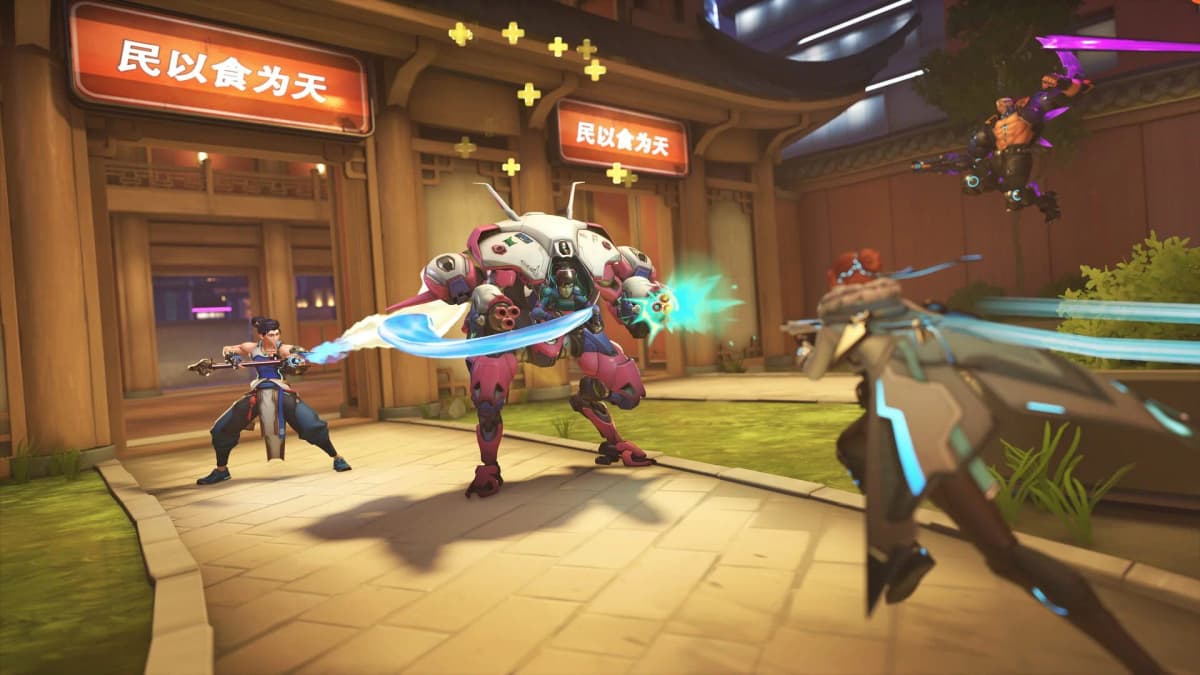
Finally, the rename (Overwatch 2 → Overwatch) and five new heroes are a separate but related signal: Blizzard is doubling down on the live service’s core appeal — new heroes and meta changes — while being deliberate about the creative pipeline behind them. Adding a cat hero and four others will shake balance and strategy; how those characters are designed (hand-sculpted vs. assisted) will be part of the broader debate.
What this means for players
- Expect continued attention to craft: voice acting, character personality, and polish will remain priorities.
- Don’t assume Blizzard won’t use AI internally to speed workflows — they likely will, but with limits on outward-facing output.
- The five new heroes and the name change matter more immediately for gameplay than the AI policy does — expect a meta shake-up.
- Long-term, Blizzard’s governance-first approach could become an industry model for balancing innovation with trust.
TL;DR — Blizzard says no to releasing AI-generated content in Overwatch for now, preferring a handcrafted approach. At the same time, it’s building a governance process so teams can experiment responsibly. The move protects Blizzard’s design identity but leaves room for change as tools and policies mature — and the immediate gameplay headline is the rename back to Overwatch plus five new heroes that will reshuffle the meta.
From my perspective as someone who follows the industry: this is a sensible, pragmatic middle path. It preserves player trust and artistic standards while recognizing that AI will be part of game development’s future. The real story to watch is how Blizzard defines “responsible” use and whether that definition becomes a standard other studios follow.
FinalBoss // Gear
Level up your setup
01Top-rated gaming headsetson Amazon→02High-refresh gaming monitorson Amazon→03Gaming chairson Amazon→04Discounted game keyson Kinguin→Affiliate links · As an Amazon Associate, FinalBoss earns from qualifying purchases.