
This one caught my attention because Blizzard is doing something risky: folding a full, year-long narrative into a live competitive shooter and promising new heroes and systems that are explicitly built around story beats. As someone who’s watched Overwatch’s lore live on the sidelines for a decade, the question isn’t just “what’s new?” – it’s “will narrative and competitive integrity coexist?”
Table of Contents (8)
Overwatch’s Story-Driven Era: Reign of Talon and the Return to ‘Overwatch’
Key Takeaways
- Blizzard has dropped the “2” and relaunched the series as Overwatch with a year-long narrative arc, Reign of Talon, across six 2026 seasons.
- The 2026 roadmap includes 10 new heroes (five arriving in Season 1) that are explicitly integrated into the story, not just roster fillers.
- Major UI/UX and systems updates – 3D lobby, Narrative Viewer, Hero Builder, sub-roles, and Stadium improvements – aim to marry story and competitive play.
- This is a strategic push to rebuild emotional engagement while keeping competitive balance at the forefront; it’s ambitious but will require careful pacing and balance tuning.
{{INFO_TABLE_START}}
Publisher|Blizzard Entertainment
Release Date|2026
Category|Live-service narrative update
Platform|PC, PlayStation, Xbox, Nintendo Switch
{{INFO_TABLE_END}}
What’s actually changing
Blizzard is reframing Overwatch’s next phase around one continuous story in 2026 called The Reign of Talon. That’s a major shift from the franchise’s past approach of scattered lore drops and character vignettes. Narrative lead Miranda Moyer put it plainly: this year the team plans to tell “a story with a clear beginning, middle… and yes, an end.” The story will be spread across six seasons in 2026 and wrapped before a reset-style Season 1 in 2027.
Content won’t be limited to in-game text. Expect a Narrative Viewer, motion comics, hero trailers, short stories, new voice lines, limited-time events, and an opening cinematic. That multi-format plan gives players many ways to follow plot beats without forcing PvE overhauls into the core PvP loop.
Ten new heroes — and why that matters
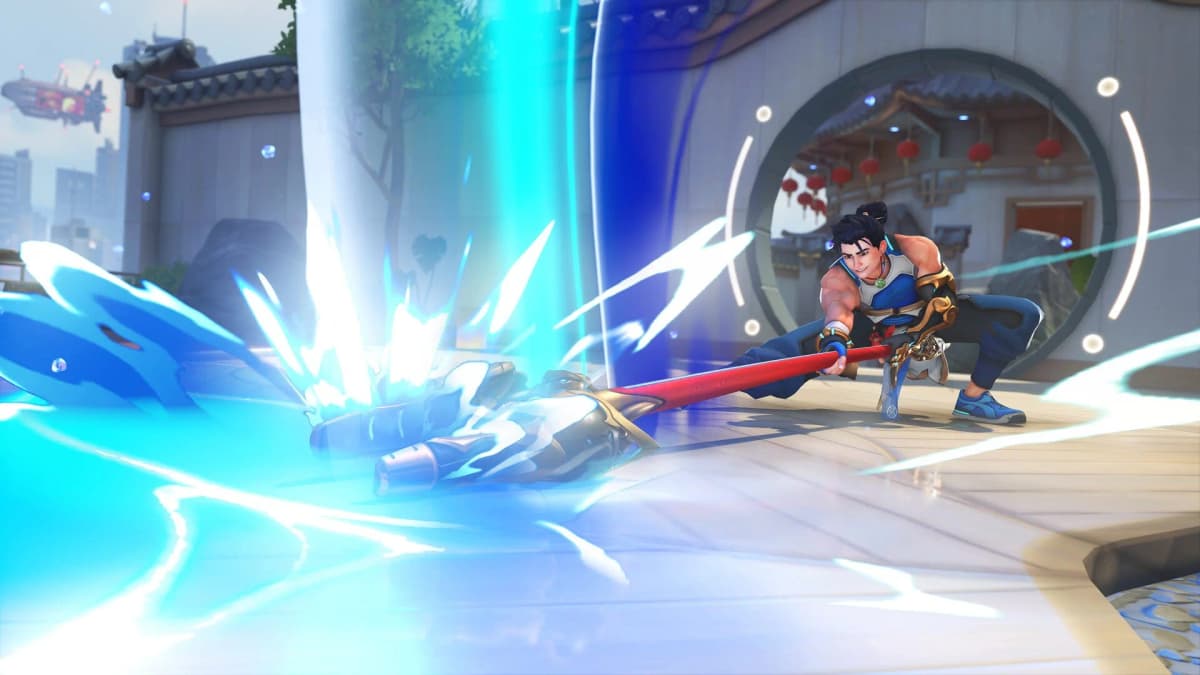
Blizzard promises 10 new heroes across 2026, with five dropping in Season 1. Crucially, each hero is designed to play a direct role in the narrative — their kits, roles, and introductions are meant to advance story beats. That’s a different philosophy from past hero drops that often felt tangential to larger arcs.
From a design perspective, embedding characters in story threads can give them stronger identities and clearer reasons to exist, which benefits both lore fans and players who want cohesive character themes. The danger is meta disruption: ten heroes in a year is aggressive. Blizzard’s phased rollout and ongoing balance updates will be vital to avoid fracturing the competitive meta.
Systems and UX — building a narrative-friendly competitive shooter
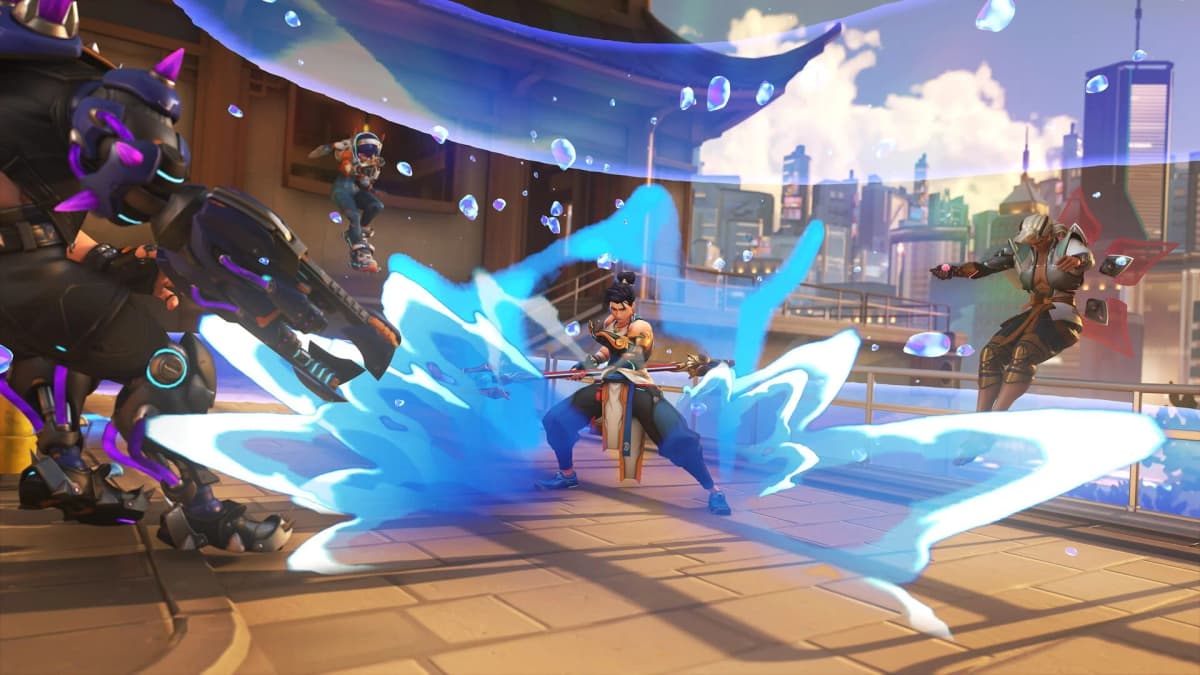
The update introduces a UI refresh (notably a 3D lobby and expanded menus), a Hero Builder system with data-driven recommended builds, and new sub-roles to refine team comps. Stadium and Hero Builder integration should help players experiment safely before jumping into ranked play — a sensible quality-of-life move if executed well.
These systems signal Blizzard’s belief that storytelling can coexist with high-level PvP if players have better tools to understand characters and experiment with them outside of rank consequences.
Competitive and community implications
Blizzard emphasizes it won’t sacrifice competitive polish for story. Still, each new hero ripples through the meta. The phased approach helps, but rapid hero cadence requires rapid, transparent balance feedback and clear communication. Community trust will hinge on how quickly the team responds to early balance problems and whether narrative elements feel additive rather than intrusive.
What this means for players
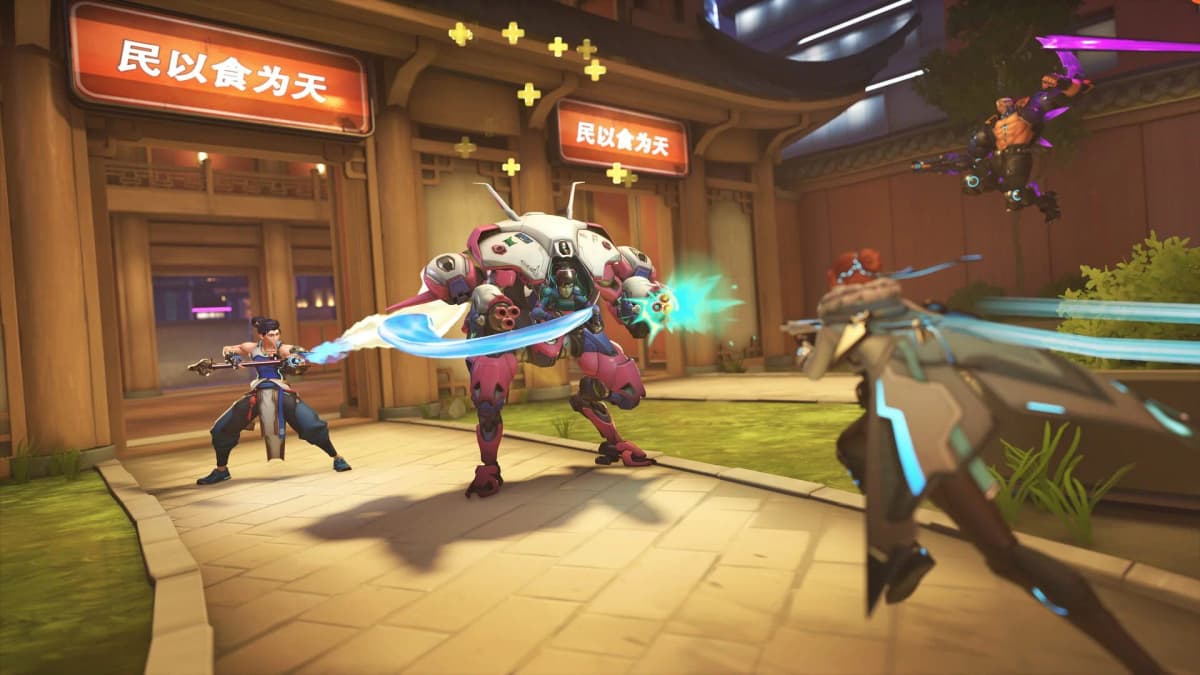
For lore fans: this is the most sustained story investment Overwatch has ever made — multiple ways to engage and clear narrative payoff by design. For competitive players: the interface improvements and Stadium play area look useful, but expect a bumpy few months as new heroes reshape the meta. For newcomers: a cohesive year-long arc and a Narrative Viewer make entry easier than the scattered lore of the past.
TL;DR — My take
Reign of Talon is a bold, overdue attempt to close the gap between Overwatch’s world and its core PvP experience. The success of this pivot won’t be measured by trailers and comics alone, but by how balanced and meaningful those ten heroes feel in play and how smoothly Blizzard tunes the game as the story unfolds. If they pull it off, Overwatch could regain a sense of narrative urgency without losing its competitive soul. If they don’t, players will remember an ambitious narrative that destabilized the meta.
FinalBoss // Gear
Level up your setup
01Top-rated gaming headsetson Amazon→02High-refresh gaming monitorson Amazon→03Gaming chairson Amazon→04Discounted game keyson Kinguin→Affiliate links · As an Amazon Associate, FinalBoss earns from qualifying purchases.