
Table of Contents (10)
The moment I realised Overwatch’s real MVPs don’t hold guns
The thing that finally sold me on how ridiculous Overwatch’s sound design is didn’t happen in a trailer, or some flashy seasonal event. It was one match on King’s Row where I realised I was playing almost entirely by sound.
Enemy footsteps on the right? That’s a flanker. A particular rising whoooosh cutting through the chaos? That’s a Pharah rocket. An oddly wet electric zap behind me? Moira’s latched on and I need to bail. I caught myself reacting before I consciously processed any of it visually. My hands moved because my ears told them to.
That’s when it hit me: for all the ways Blizzard has fumbled Overwatch over the last decade – the botched Overwatch 2 push, the PvE bait-and-switch, the monetisation creep, the League drama – the audio team has quietly been operating on a completely different level. These folks are carrying this game on their backs, and most of us only notice when something breaks.
Coming back to Overwatch recently, I stumbled into the deep-dive videos from senior sound designers like Nicholas Yochum and Felipe Pereira, and it honestly rewired how I think about the game. I’ve always joked that “Overwatch is a fighting game disguised as an FPS” – fast reads, matchup knowledge, spacing – but those breakdowns made me realise it’s also basically a rhythm game, and the audio designers are the ones writing the chart we’re all forced to play.
My love–hate with Overwatch, and the one thing that never sucked
I was there in 2016 when Overwatch felt like magic. It deserved the Game of the Year noise. It was colourful, readable, and absurdly tight to play. Then came the slow self-sabotage: Overwatch League taking priority over actual game updates, the treadmill towards Overwatch 2, monetisation going from “eh, whatever” to “are you serious?”, and that whole “hero shooter with a meaty PvE future” promise that basically dissolved in front of us.
Like a lot of people, I bounced off hard for a while. I tried other shooters. Got buried in battle royales. Dabbled in Valorant. Went back to my comfort zone of fighting games and weird narrative stuff like Shenmue. Every time I checked back on Overwatch, there was some new drama or some new system stapled on to keep the economy spinning.
But through all of that, one thing never stopped being excellent: I could still close my eyes and tell you what was happening in the match. Footsteps, ult lines, projectile whooshes, the tiny confirmation noises when my abilities connected – all of it still felt insanely considered. When Overwatch did its big 2026 “season 1 reset” and threw five new heroes into the mix, I was ready to roll my eyes… and instead I found myself nerding out about how each new kit sounded.
That’s why those behind-the-scenes videos hit me so hard. They confirmed a suspicion I’d had for years: Overwatch’s audio team isn’t just slapping sci-fi noises on top of particle effects. They’re quietly designing the language the whole game speaks in, and they’re doing it on a level the rest of Blizzard frankly hasn’t matched.
Overwatch is unplayable without its sound, and that’s by design
Most shooters live or die on a handful of basic cues: footsteps, gunshots, reloads, maybe some positional voice lines. Hero shooters like Overwatch are a different beast. You’re not just tracking “gun versus gun”; you’re tracking twenty-odd characters, each with three to five abilities and an ultimate, all vomiting particles and status effects in every direction.
If that chaos doesn’t have a clear audio language, it turns into white noise. You might as well be playing with the TV on mute and random explosions on in the background. The reason Overwatch still feels playable – even at its most absurd, when both teams pop ults in the same choke – is because the sound design is doing the heavy lifting.
As a support main, I feel this more than anyone. On Wuyang, I can tell my water orbs wrapped around a corner successfully before I see the hit markers, just from the liquid snap of the impact and that subtle “you connected” ping. On Moira, the faint but distinct hum of my damage beam latching versus my heal spray kicking in tells me which part of my brain to switch on. The game is constantly whispering what I’m doing right or wrong through sound, usually faster than my eyes can parse the chaos.
Even basic things are tuned with that in mind. The distinct cadence of footsteps for tanks versus flankers, so you know if it’s a Genji or a Reinhardt behind you without turning. The rising frequency of certain projectiles as they get closer. The pitch shift between friendly and enemy ult voice lines so you can react instantly. This isn’t “cool flavour”; it’s core UX design. And Overwatch is better at it than pretty much any competitive game I’ve played.
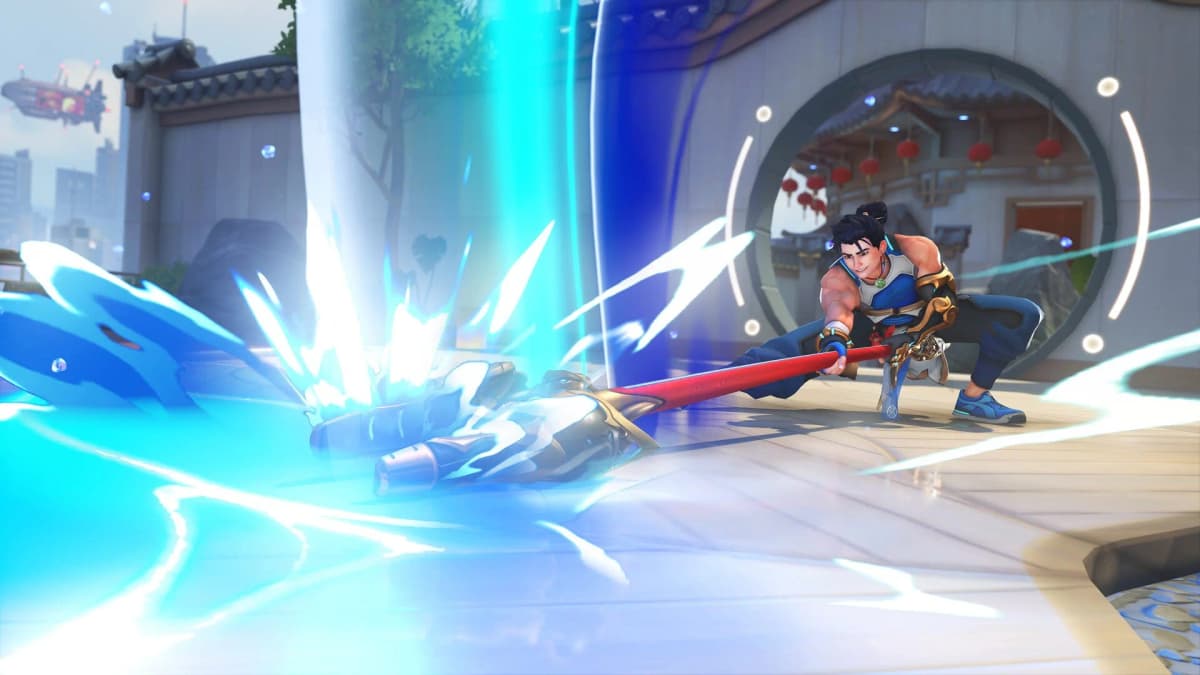
Juno’s “glorpcore” kit is the perfect sound design case study
The hero that really sold me on how deep this rabbit hole goes is Juno. She’s this slightly awkward, hyper-polite Mars-born support with big retro sci-fi energy – like Starfire crashed into a 60s pulp comic and walked out with a hover rig. Visually, she’s already a vibe. But it’s her sound kit that makes the fantasy click.
In his breakdown of her audio, Nicholas Yochum talks about wanting Juno to feel “retro sci-fi” but still punchy and modern – not just the same tired theremin warbles and ray-gun pews everyone uses when they hear “space hero”. So he leans into this bizarre, gloopy aesthetic. It’s glorpcore, basically: mechanical, but also… weirdly squishy?
Juno’s reload is my favourite example. Instead of some generic magazine click and a stock blaster charge, Yochum layers recorded sounds from everyday tools – pliers, screwdrivers, that kind of thing – then mangles them with “blorpy” synths into something that sounds half workbench, half alien jelly factory. There’s a tactility there: you can almost feel her fiddling nervously with old hardware she’s retrofitted for space combat.
And that’s just the flavour layer. Underneath, you’ve got the hardcore gameplay needs. Juno fires torpedoes that can both heal allies and damage enemies. Early versions of her sounds leaned too hard into the aggressive, damaging side. That might’ve been satisfying in a vacuum, but it completely muddied her role in a live match. Players instinctively read “sharp, threatening” sounds as enemy-facing, so her healing felt like an afterthought.
The solution? Dial the damage textures back and make her healing torpedoes more obvious and prominent in the mix. Brighter, more open timbres and slightly more exaggerated travel cues when she’s helping her team, so your brain associates “Juno sounds like this” primarily with support, not DPS cosplay. Same ability, same fantasy, but the entire emotional read shifts through sound.
The wildest bit is Juno’s ultimate, Orbital Ray. Apparently, the original design was going to damage enemies and heal allies at the same time, which sounds like absolute nightmare fuel to balance and read in a fight. The audio reflected that: more violent, more threatening, more “you are about to be vaporised by a space laser.” When design pivoted to make Orbital Ray purely supportive, the sound couldn’t just stay as-is. Yochum rebuilt it around “positive healing vibes” – still huge and impactful, but warmer, less hostile, less like death from above and more like the sun breaking through a storm.
That’s the part a lot of people underestimate. These designers aren’t just decorating finished abilities. They’re in constant dialogue with hero design, tweaking, ripping apart, rebuilding audio as balance and fantasy evolve. When you feel Juno as a support first and a damage dealer second, that’s not just numbers on a spreadsheet. That’s the sound team grabbing the fantasy and dragging it back into alignment.
Gameplay clarity versus personality: Overwatch actually cares about both
I’ve played plenty of competitive games where it’s obvious which side of that trade-off wins. Some lean so hard into clarity that everything sounds sterile – sterile rifles, sterile footsteps, sterile “ability activated” beeps. Functional, sure, but soulless. Others chase pure personality: big chunky fantasy spells and overproduced gun audio that sound incredible in a trailer and completely unreadable in a ranked match.
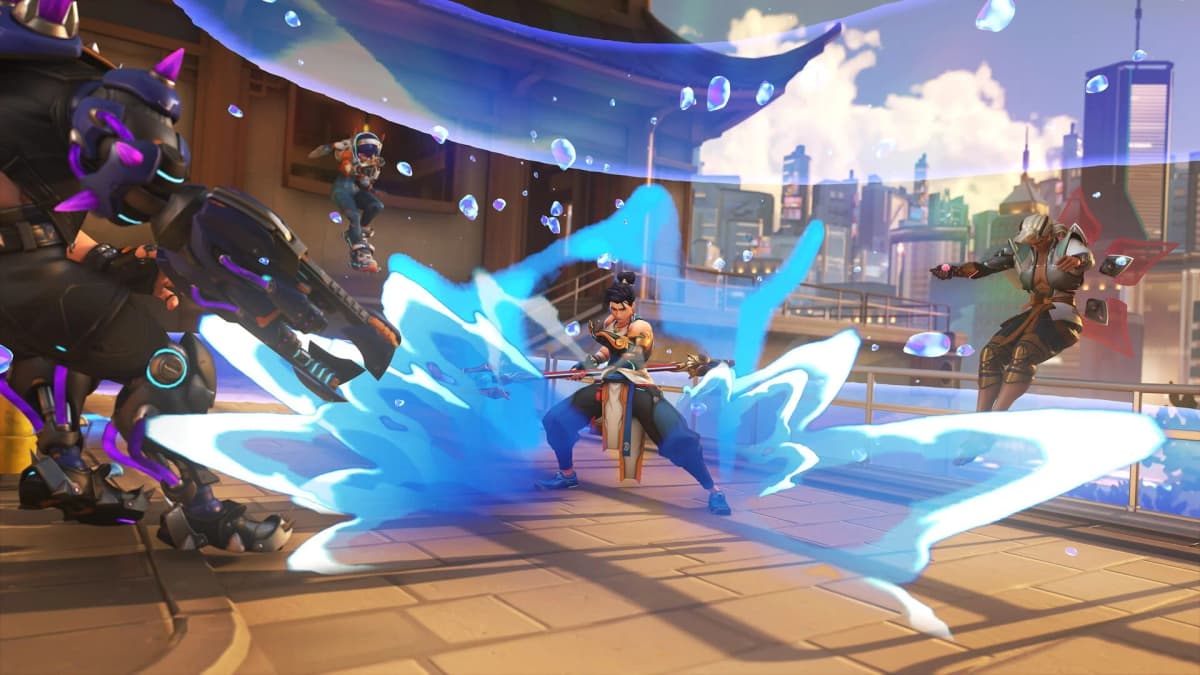
Overwatch, annoyingly, has the audacity to try to nail both. Juno doesn’t just sound “spacey”; she sounds like Juno, and she does it without masking everyone else in the roster. Same with heroes like Illari and Freja in Pereira’s breakdowns – every kit is this carefully carved-out blob of frequencies, cadences, and attack shapes that say “I am this hero, doing this kind of thing” even when three ults and a grav field are going off next to you.
They use every trick in the book to make that work:
- Distinct pitch ranges so similar abilities don’t blur together.
- Rhythmic “cadence” differences – a pulse, a stutter, a swell – so your brain hooks onto patterns.
- Different levels of “mix penetration” depending on importance: subtle foley on reloads, brutal clarity for kill threats and lifesaving heals.
- Layering vocal, mechanical, and ambient elements so you can ID heroes from a single fragment of audio.
And crucially, they’re willing to admit when they screw it up. The community calling out Jetpack Cat for being weirdly quiet? That’s exactly the kind of thing you’d expect to slip through in a game this noisy, and it shows how fine the line is. Make a hero’s movement or weapons too subtle and it stops feeling fair to play against. The fact that this is now a contentious exception – not the norm – says a lot about how high Overwatch’s bar usually sits.
Support players live and die by feedback, and Overwatch gets that
I’ve put stupid amounts of time into support roles across games. MMOs, MOBAs, shooters, you name it. And the pattern is always the same: if the game doesn’t give you immediate, satisfying feedback that what you did mattered, you end up feeling like a heal-bot or a background prop while the “real” heroes have fun.
Overwatch handles this better than almost anything else out there, and sound is the reason. When I land a sleep dart in another game, I might get a little generic stun icon and a dull clunk. In Overwatch, when my ability connects, I get this tight, juicy confirmation hit that’s unique to my hero. My brain lights up before my eyes even register the animation.
On healers, the difference is night and day. Juno’s torpedoes don’t just “restore HP”; they thrum with this playful, otherworldly energy that’s still grounded in mechanical clicks. Illari’s beams, Wuyang’s water, Baptiste’s grenades – they all sell the fantasy that you’re doing something important and distinct, not just spraying generic green numbers on people.
That stuff matters when you’re stuck in the backline triaging a team that insists on speedrunning into enemy cooldowns. You need those tiny dopamine hits just to stay sane. Overwatch’s sound design, especially on supports, feels like it was built by people who actually play the roles they’re designing for. It doesn’t fix balance issues or bad teammates, but it does make the grind feel like you’re getting paid in moment-to-moment satisfaction.
Blizzard’s bigger problems make the audio team look even more heroic
Here’s the part that kind of pisses me off: the more I learn about how Overwatch’s sound is made, the more obvious it becomes how lopsided Blizzard’s priorities have been elsewhere.
We had years where balance and hero releases felt frozen while Overwatch League burned budget like rocket fuel. Then Overwatch 2 arrived with a monetisation scheme that made even long-time fans wince. The big PvE vision – the thing some players were literally hanging their hopes on for accessibility and lower-pressure play – got gutted. Every time you looked away for a second there was a new controversy.
And yet, in the middle of all that nonsense, people like Yochum and Pereira are in a room somewhere meticulously recording screwdrivers and synthesizers to make a single reload sound feel just right. Rebuilding ult audio because a designer nudged a value and the fantasy shifted. Tuning the exact envelope of a healing beam so it reads “I’m helping” instead of “I’m killing you” in the middle of five other abilities.
I’m not saying audio devs are saints and everyone else at Blizzard is incompetent. But when you compare the sheer thought and iteration going into these soundscapes with how slapdash some of the macro-level decisions around Overwatch have been, it’s hard not to feel like the studio’s priorities are upside down. The people making the game feel good are clearly sweating every detail, while the people steering the ship keep slamming it into icebergs.
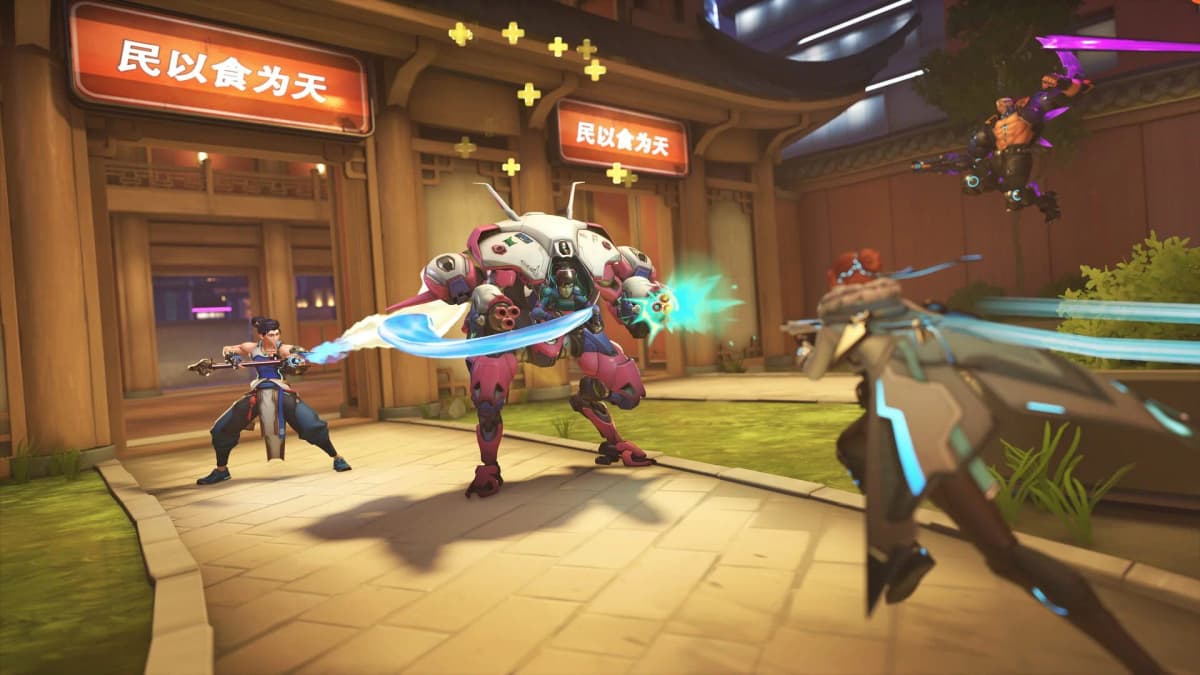
Why these behind-the-scenes videos actually matter
What I love about these sound design deep dives isn’t just the “look how cool this foley session was” factor, although hearing that Juno’s retro raygun is part hand tool, part blorpy synth absolutely rules. It’s that they train players to listen differently.
Once you’ve seen how many iterations go into something as small as a reload noise or an ability whoosh, you stop taking any of it for granted. You start noticing how quickly a hero’s audio sells their identity. You pick up on how supports are given warmer, more open timbres while damage threats slice through the mix with sharper attacks. You understand why a reworked ability sometimes “feels off” before you can articulate what’s changed.
On a community level, that’s gold. It shifts conversations from “this ult sounds lame now” to “oh, they pushed it too far into the background, no wonder I’m missing it.” It gives people language to talk about mix issues, accessibility concerns, and clarity complaints in a way devs can actually respond to instead of just drowning in pure vibes.
It also sets a bar for other studios. If Overwatch – a game that’s been through the wringer, with all the baggage of a live service mess – can still be this transparent and nerdy about its craft, what’s everyone else’s excuse? You don’t have to ship a hero the size of Overwatch’s roster to care about whether your healing sound actually reads as healing.
What other games should be stealing from Overwatch’s sound philosophy
If I had to boil down what Overwatch’s sound team is doing better than most, it’d be this: they treat audio as gameplay, not decoration.
That means:
- Designing sounds with hero fantasy, not after the fact – Juno’s glorpy retro-sci-fi isn’t a reskin, it’s baked into how her kit reads.
- Iterating audio alongside balance – when Orbital Ray changed, its sound design changed with it.
- Giving supports and utility roles satisfying, distinct feedback so they don’t feel like background noise.
- Using custom foley and heavy processing instead of the same ten stock sci-fi samples the whole industry leans on.
- Treating clarity as non-negotiable, then wrapping personality around it instead of the other way around.
Plenty of games pay lip service to that philosophy. Overwatch actually shows its work. The deep dives, the dev streams, the mix-focused tweaks in patches – they all reinforce that this isn’t just some wizard behind a curtain. It’s a craft, and it’s one that’s core to why the game still has a pulse in 2026 despite everything stacked against it.
For me, Overwatch is an audio-first game now
These days, when I fire up Overwatch, I honestly care more about my headphones than my framerate. I’ll drop visual settings to keep things smooth, but I will not compromise on audio. If you told me I had to play at 30 FPS with perfect sound or 144 FPS with a muddy mix, I’d grit my teeth and take the slideshow.
That probably sounds dramatic, but here’s where I’ve landed: Blizzard has burned a lot of goodwill with Overwatch. The only reason I still bother reinstalling after every big update is because the moment I step into a match and the sonic language kicks in – the footsteps, the ult calls, the tiny support cues that tell me “you did good” – it feels like coming back to a game that still fundamentally cares about how it plays.
If Blizzard ever lets that slide – if the heroes start sounding like generic stock libraries, if the mix gets so cluttered you can’t tell a heal from a headshot – that’s probably when I finally tap out for good. Until then, as long as the audio team keeps doing this absurd level of work, I’m stuck in this stupid, frustrating, wonderful loop where I swear off Overwatch… and then a new hero drops, I hear how their kit sounds, and my mouse hand betrays me all over again.
FinalBoss // Gear
Level up your setup
01Top-rated gaming headsetson Amazon→02High-refresh gaming monitorson Amazon→03Gaming chairson Amazon→04Discounted game keyson Kinguin→Affiliate links · As an Amazon Associate, FinalBoss earns from qualifying purchases.
Want to Level Up Your Gaming?
Get access to exclusive strategies, hidden tips, and pro-level insights that we don't share publicly.
Ultimate Gaming Strategy Guide + Weekly Pro Tips