
Table of Contents (7)
Blizzard is turning Overwatch into a mobile top-down shooter – built for short sessions, not PCs shrunk to phones
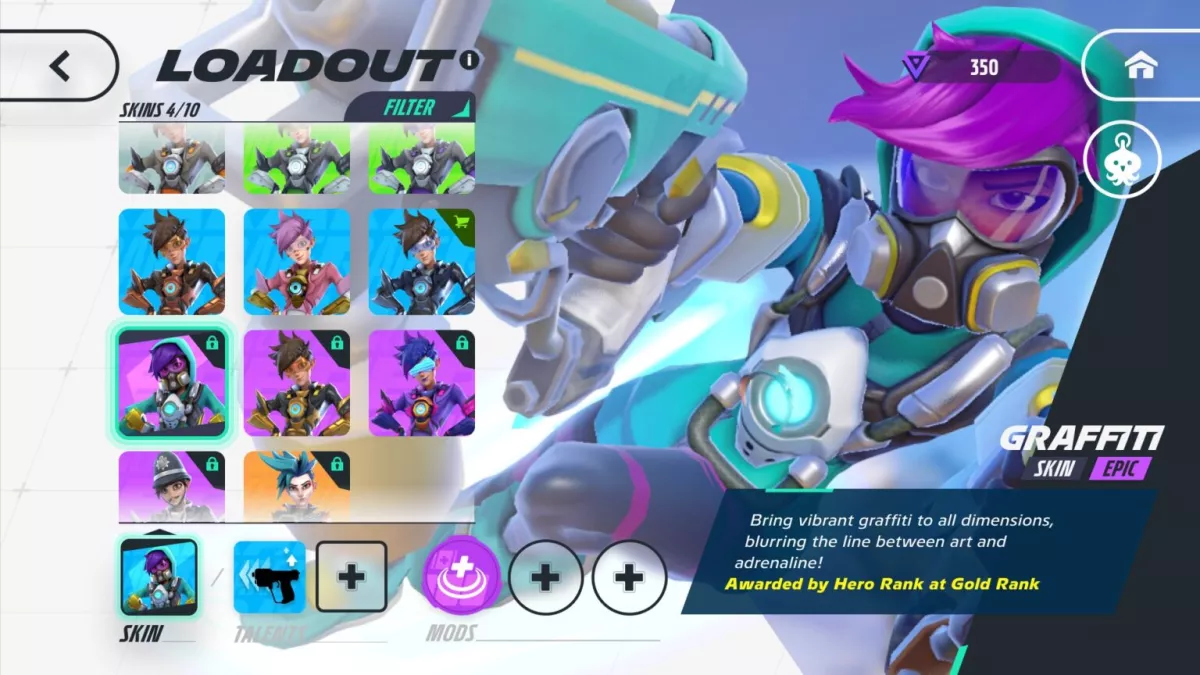
Think of Overwatch Rush as the franchise translated for thumbs, trains and five-minute windows of play. Blizzard’s new mobile title reframes familiar heroes and maps into a top‑down, touch‑first 4v4 (some previews briefly showed 5v5) hero shooter aimed at quick rounds, regional tests and free‑to‑play live service economics. It’s not a port – it’s a different game borrowing the IP’s DNA.
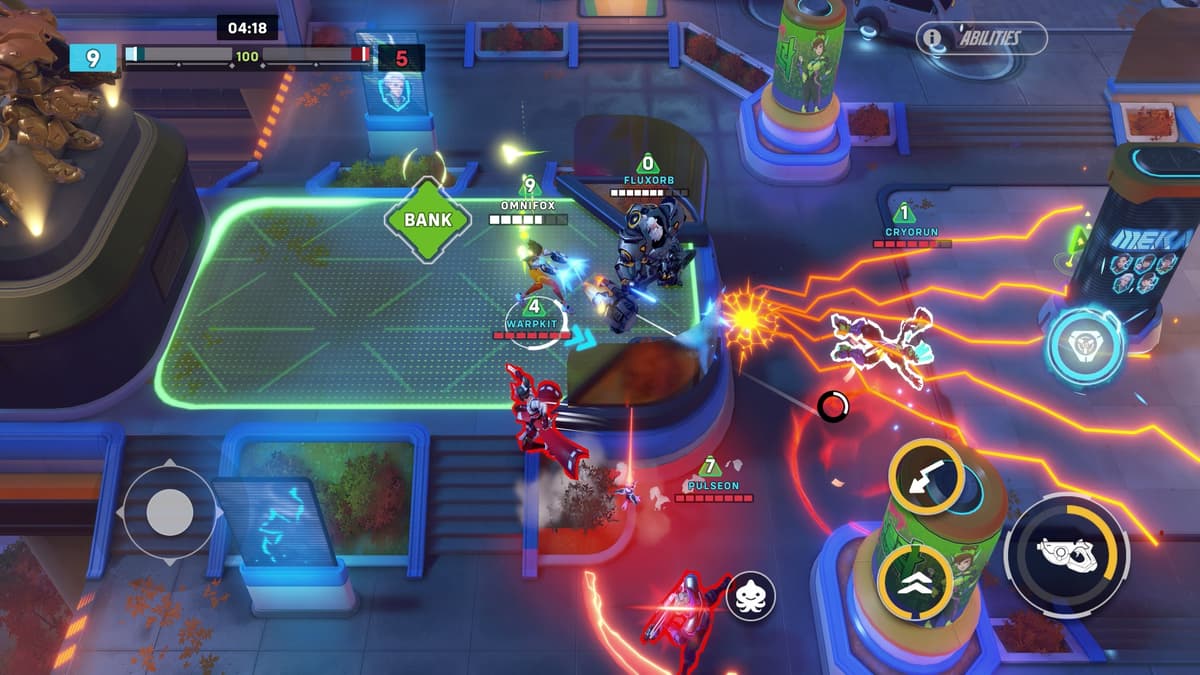
- New game, new rules: top‑down perspective, touch controls, reduced verticality, reworked abilities.
- Early stages: Blizzard says development is “early”; limited geographic tests will come first.
- Free-to-play model: confirmed for iOS and Android with in‑app purchases – monetization details pending.
- Separate team: a mobile‑experienced Blizzard team is leading Rush so Team 4 stays focused on PC/console Overwatch.
This isn’t a lazy port — but it still carries the risks of mobile live services
Blizzard is explicit: Rush is “built from the ground up for mobile” and handled by a different internal group with mobile experience (IGN). That matters. Rather than shoehorning Overwatch’s first‑person chaos onto touchscreens, Blizzard is changing the camera, aiming, movement speed and some abilities to fit short, thumb‑friendly sessions — a sensible approach if you want the feel of Overwatch without demanding keyboard precision (Eurogamer, Gematsu).
Still: “not a port” does not mean “not monetized.” Rush will be free‑to‑play on iOS and Android with in‑app purchases (3DJuegos, Gematsu). Blizzard’s mobile history — including the backlash on Diablo Immortal — means players will watch how cosmetic vs. power purchases are handled. The studio saying player skill is intended to be decisive is a headline line; the implementation will be the real test.

Gameplay changes are concrete, and not all outlets saw the same thing
Early footage and previews show a meaningful shift: matches feel slower, aiming happens on two axes rather than a full three‑dimensional skillshot treadmill, and verticality is far less impactful (Eurogamer). The camera pulls back to make fights readable on small screens and the number of players is reduced for clarity — most reports and Blizzard communications indicate 4v4, though one preview clip referenced 5v5 action on Busan (IGN). That discrepancy matters: map design, ability tuning and pacing are all driven by team size.
Familiar heroes — Reinhardt, Mercy, Tracer, Reaper and others — show up with modified kits. Expect the same fantasy but with different cadence and counters. The goal is “hero‑centric combat and playstyle customization” that suits both solo and squad players (Gematsu).
The uncomfortable observation Blizzard hopes you’ll skip
Blizzard frames Rush as an expansion of the Overwatch universe. Reality: it’s also a move into the genre and revenue model that has paid off for many companies but has sunk others once player trust erodes. Saying “skill wins” is a start; not releasing clear monetization guardrails before tests will feed suspicion. Given Blizzard’s past mobile controversies, players won’t assume benevolence.
What I would ask PR right now
If I had Blizzard on the phone: will microtransactions be strictly cosmetic? Will account progression, cosmetics and cross‑progression tie into existing Overwatch accounts? And crucially, will controller support and anti‑cheat be part of early tests? Those answers will tell us whether Rush is a thoughtful mobile companion or a cash‑first spin‑off.
What to watch — concrete signals that show if Rush matters
- Limited geo tests — Blizzard says select countries will get tests first (Gematsu). How big and how transparent those tests are matters.
- Monetization disclosure — are items cosmetic, convenience, or pay‑to‑win? The first pricing model reveal is the clearest signal.
- BlizzCon 2026 (mid‑September) — Blizzard often uses BlizzCon for major updates; expect a public roadmap or playable build if Rush is on track.
- Team size and match composition — confirmation whether Rush is 4v4 or 5v5 (current reporting conflicts) will indicate pacing and map scale.
- Cross‑integration — announcements about shared cosmetics, account linking or progression with main Overwatch will show whether Blizzard wants Rush to complement or simply monetize the IP on mobile.
Follow official updates via the Overwatch channels and the game’s Discord — Blizzard is asking players to join there for test invitations and news (Eurogamer, IGN).
TL;DR
Blizzard announced Overwatch Rush: a top‑down, touch‑first hero shooter for iOS and Android that repackages familiar heroes for short, readable matches. It’s being built by a mobile‑experienced team and will be free‑to‑play with in‑app purchases; tests are planned but the game is still early. The crucial things to watch are monetization rules, whether it’s truly skill‑first, and the scope of those first regional tests — they’ll tell you whether Rush expands the franchise or just extends its live‑service reach.
FinalBoss // Gear
Level up your setup
01Mobile gaming controllerson Amazon→02Top-rated gaming headsetson Amazon→038BitDo controllerson Amazon→Affiliate links · As an Amazon Associate, FinalBoss earns from qualifying purchases.
Want to Level Up Your Gaming?
Get access to exclusive strategies, hidden tips, and pro-level insights that we don't share publicly.
Ultimate Gaming Strategy Guide + Weekly Pro Tips