
Steam player counts for Overwatch haven’t done the usual post-update dip – they’re climbing. Since Season 1 dropped, peaks have nudged from an all-time high near 165K on launch day to steady higher-weekend numbers (136,582 over Feb 20-22), signaling something beyond a single hype spike: renewed, widening engagement on Valve’s storefront.
- Key takeaways:
- Steam peaks rose from ~165K at launch to repeated weekend peaks above 136K, and daily averages now sit tens of thousands higher than pre-relaunch. (GamesRadar, Steam trackers)
- Cross-platform signals – Xbox ‘Most Played’ visibility and large account-sample lifts – back up a genuine revival beyond Steam alone. (GamesRadar)
- Community virality (Jetpack Cat) and developer incentives (double XP, giveaway windows) have amplified retention, but Steam reviews remain mixed, which raises a retention risk. (Numerama, SteamDB data)
- The next month — roadmap delivery and Season 2 balance moves like Mercy’s promised kit changes — will decide if this is sustained growth or a well-executed comeback tour.
Table of Contents (5)
Why the numbers matter (and why they’re not automatic victory)
Live-service updates usually spark a sharp launch peak and then a tailing-off as the novelty fades. Overwatch’s Season 1 is bucking that pattern: launch-day Steam peaked around 165,651, the first weekend settled near 122,715, and later weekends climbed back up to 136,582. Even 24‑hour peaks reported afterward stayed healthy (109,228), suggesting week-to-week momentum, not just opening fireworks. GamesRadar tracked the trend and notes Xbox charts moving too, which means the uptick isn’t a Steam-only quirk.
The uncomfortable observation Blizzard won’t lead with
Those numbers look great until you remember how many levers a modern studio can pull. Blizzard ran double XP and free lootbox windows tied to the warm reception. Streamer attention and a wildly meme-able hero — Jetpack Cat — delivered organic reach. Together those elements amplify retention metrics in the short term. That doesn’t make the revival illegitimate, but it does complicate the narrative: is this a culture shift back to Overwatch, or a perfectly timed set of incentives and internet virality?
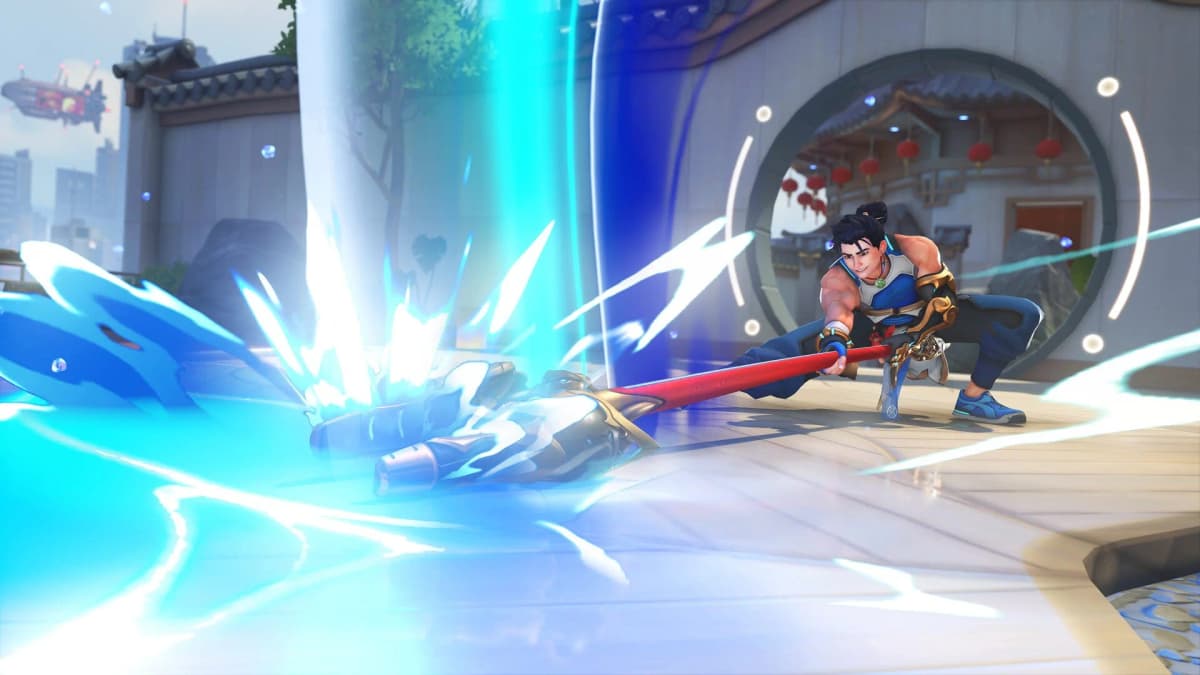
There’s another friction point: Steam reviews. Despite rising concurrent counts, recent review sentiment on Valve remained mixed. You can have a lot of players in the door without fixing the reasons players left in the first place — balance issues, progression complaints, or monetization gripes will show up in weeks, not days.
What the community is actually doing — and why that matters
Community reaction isn’t just numbers; it’s the kind of stuff that sustains games. Numerama and subreddit activity show Jetpack Cat becoming a social mascot — photoshops, cosplays, and forum memes. That kind of culture costs Blizzard little and yields wide visibility. Meanwhile, developer chatter about balance — notably the promise to restore Mercy’s burst healing in Season 2 (GamesRadar) — is aimed at calming legitimate meta complaints. If Blizzard nails those follow-ups, the increased traffic can translate into longer-term retention. If they fumble balance or stall on the roadmap, the spike risks reversing.
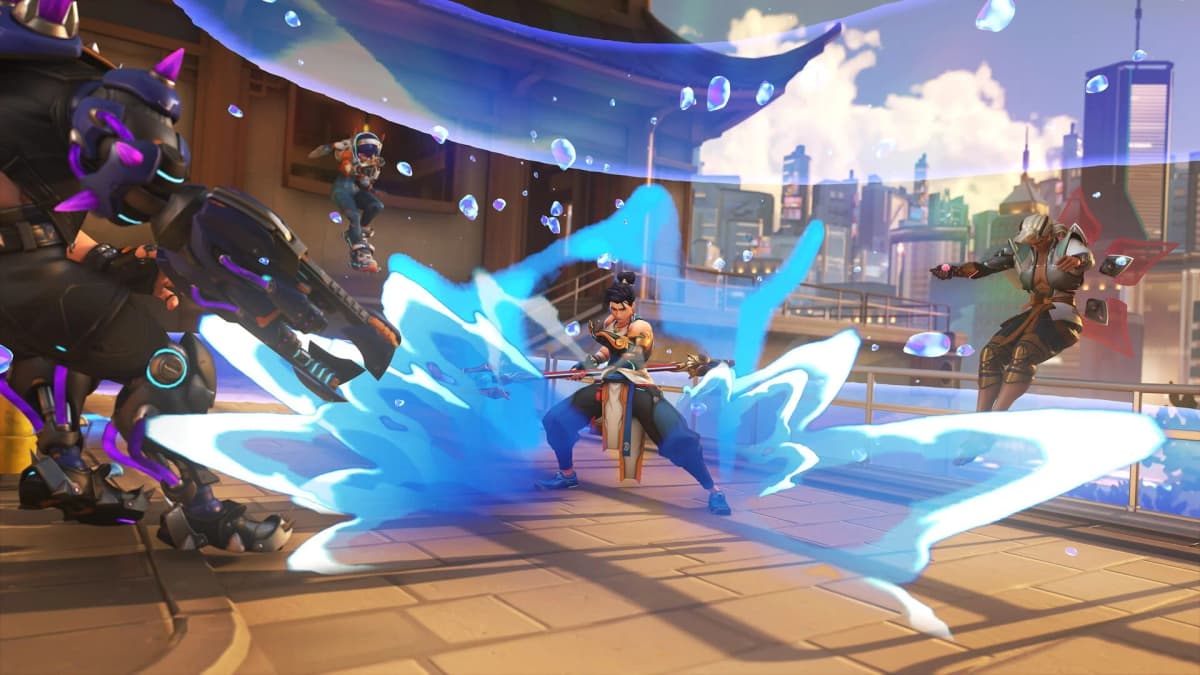
The real question Blizzard needs to answer
How much of the renewed player base is driven by sustainable changes — better roadmaps, meaningful balance, and fresh content — versus temporary boosts like double XP, giveaways, and one meme-able hero? That’s what separates a comeback from a comeback tour. If I were on a call with PR, I’d ask: what percentage of peak activity came during event windows versus organic play hours, and how are you measuring retention beyond concurrent peaks?
What to watch next — actionable signals
- Daily Steam peaks (SteamDB/Tracker.gg) for the week after Feb 23 — watch for a post-event drop or continued plateau.
- Roadmap delivery: the promised Season 1 content cadence (next heroes and Talon story beats). Missed timelines will quickly sour goodwill.
- Balancing for core supports: Mercy’s Season 2 baseline Flash Heal and other adjustments Blizzard discussed — meaningful healing buffs will keep competitive players engaged.
- Console traction and cross-play splits — Xbox ‘Most Played’ lift is a good sign, but total active-user trends across platforms will confirm a true revival.
Short version: the data currently points to a real resurgence, not just a launch-day party — but the victory lap depends on consistent content delivery and fixing friction points that show up in reviews and retention graphs.
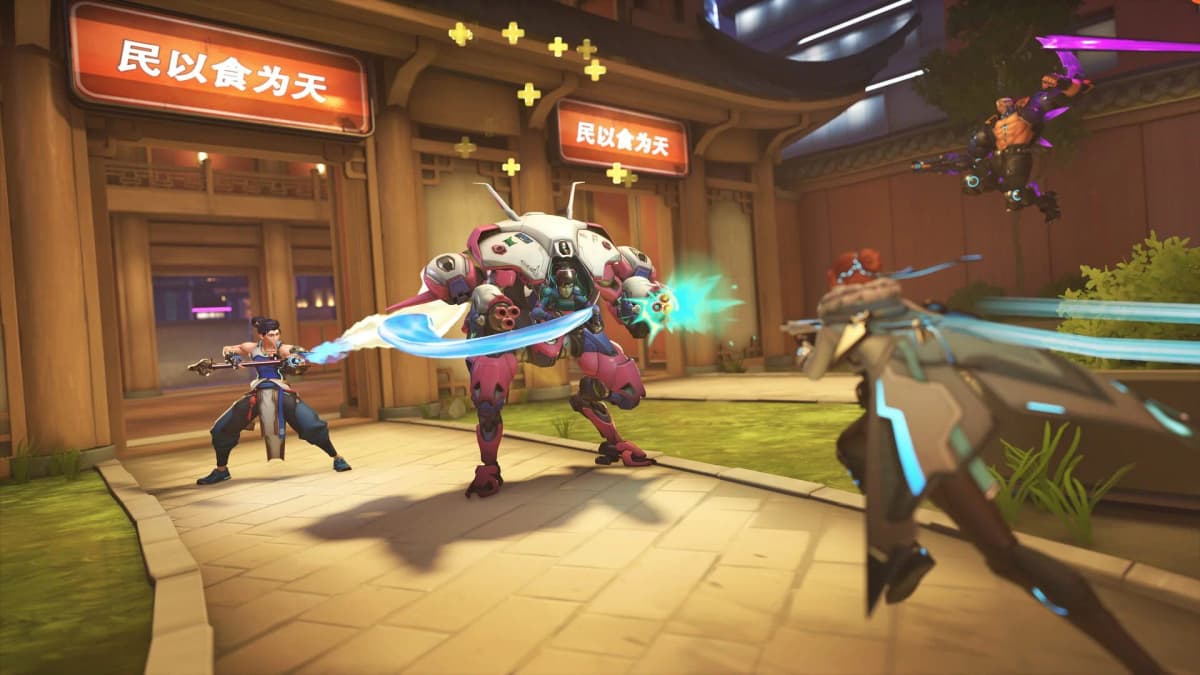
TL;DR: Overwatch’s Season 1 revived player peaks on Steam and nudged cross-platform charts — evidence of real momentum. Community virality and developer incentives helped; mixed Steam reviews and the need for steady roadmap delivery mean Blizzard must keep earning this audience. The next two-to-four weeks of retention numbers and Season 2 balance moves will tell whether this is a sustained comeback or a well-timed sugar rush.
FinalBoss // Gear
Level up your setup
01Graphics cardson Amazon→02Gaming laptopson Amazon→03High-refresh gaming monitorson Amazon→04Discounted game keyson Kinguin→Affiliate links · As an Amazon Associate, FinalBoss earns from qualifying purchases.
Want to Level Up Your Gaming?
Get access to exclusive strategies, hidden tips, and pro-level insights that we don't share publicly.
Ultimate Gaming Strategy Guide + Weekly Pro Tips