
Overwatch’s big Switch 2 debut was supposed to be Blizzard’s “we finally got it right on Nintendo” moment. Instead, the hero shooter’s native Switch 2 version launched on April 15 locked to 30fps, looking softer than the old Switch port, and immediately needed a “we’re working on a patch” post.
For a competitive shooter built on snap aim and millisecond reactions, advertising “up to 60 FPS” and shipping something that feels like a downgrade is more than a technical hiccup – it undercuts Blizzard’s whole attempt to reboot Overwatch’s reputation after the Overwatch 2 saga.
Table of Contents (8)
Key takeaways
- Blizzard marketed the Nintendo Switch 2 edition of Overwatch as running at up to 60fps in handheld and docked modes. At launch, it’s effectively locked at 30fps.
- Players report worse image clarity than the original Switch version despite the stronger hardware, fuelling speculation of a rushed or incorrect build.
- Blizzard acknowledges an “FPS limit lower than intended” plus bugs like reset custom binds, Mystery Heroes changes, and missing cosmetics, and says a patch is in the works.
- For a game trying to relaunch itself (dropping the “2”, new seasons, modes like Stadium Quickplay), this sloppy port sends exactly the wrong message to Nintendo players.
A 60fps promise that shipped at 30
On paper, this should have been straightforward. The Switch 2 is significantly more capable than the original hybrid, and Blizzard’s own marketing leaned into that: sharper graphics, higher-fidelity audio, and “up to 60 FPS” whether you’re docked or playing portable. It was a free upgrade for existing Switch owners, timed with the new season and the arrival of hero Sierra.
In practice, early players immediately noticed the game wasn’t anywhere near 60. Community footage and hands-on reports peg it at a pretty hard 30fps, with the kind of frame pacing that feels like an intentional cap, not just “we’re dipping under target sometimes.” That’s exactly what Blizzard later admitted: the FPS limit on Switch 2 is “lower than intended,” and they’re preparing a fix.
On a story trailer or a chill payload casual, 30fps is tolerable. In a hero shooter where your crosshair needs to track a Tracer blink or a Genji dash, it’s a genuine disadvantage – especially in cross-play environments where other platforms are running at a locked 60 or higher.
This is more than “just a cap bug”
If it were only an FPS cap, this would still be embarrassing, but fixable. The more worrying reports are about image quality. Multiple players say the Switch 2 build actually looks worse than the original Switch version: softer rendering, more aggressive blur, and a general “vaseline on the lens” feel that doesn’t match the promise of a next-gen handheld bump.
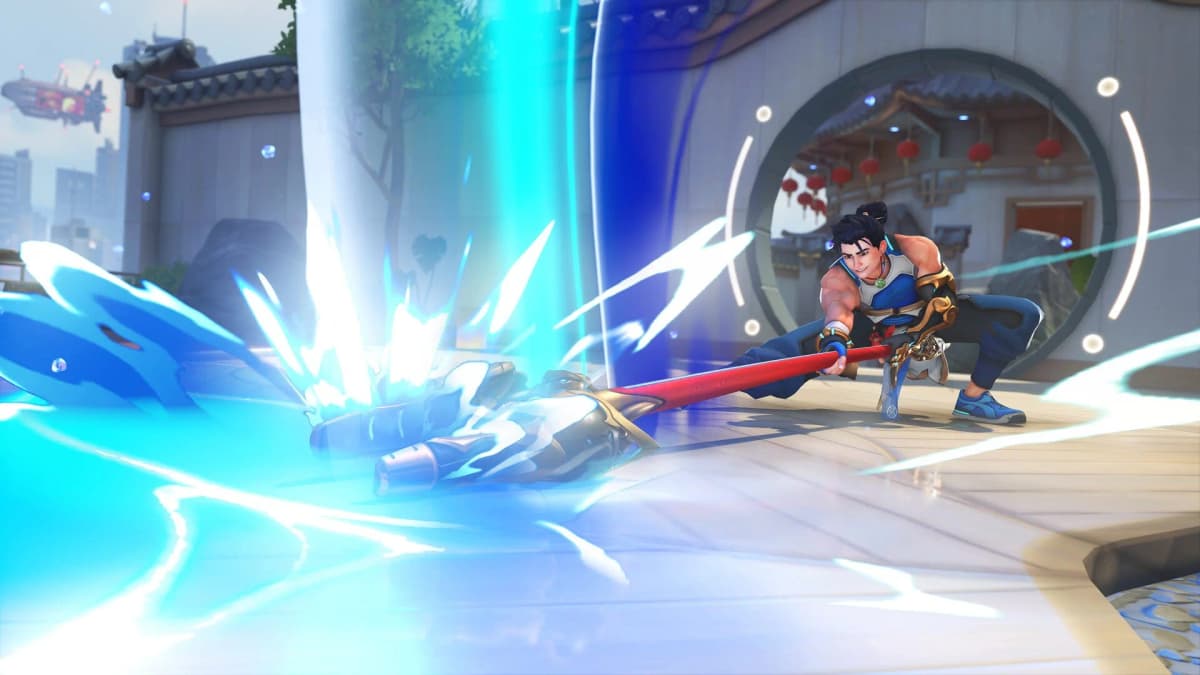
That’s led to one of those theories PR departments hate: maybe Blizzard pushed the wrong build to the eShop. There’s no proof of that, and Blizzard hasn’t said anything beyond acknowledging “performance issues,” but when your new version runs worse than the old one on better hardware, people naturally assume something fundamental went wrong in the pipeline.
Layered on top are smaller but very real bugs. Blizzard has already listed a few: custom control binds randomly resetting, changes to how Mystery Heroes is configured, and several missing cosmetics that are supposed to be on the account but don’t appear in-game yet. None of these alone is catastrophic, but together they scream “we rushed this to hit the Season 2 date.”
Bad timing for a game trying to reset its image
All of this lands at a sensitive moment for the franchise. Blizzard has quietly killed the “2” branding and is back to just Overwatch, while pushing a big 2026 reset: new seasons, new heroes like Sierra, new modes such as Stadium Quickplay, and a stronger live-service cadence that’s supposed to pull lapsed players back in.
On PC and current-gen consoles, that reset has at least one thing going for it: the game feels good. The 2026 overhaul runs well on hardware like Steam Deck, matchmaking is snappier, and balance changes have made matches more dynamic than the worst days of 5v5. Performance is the foundation everything else rests on.
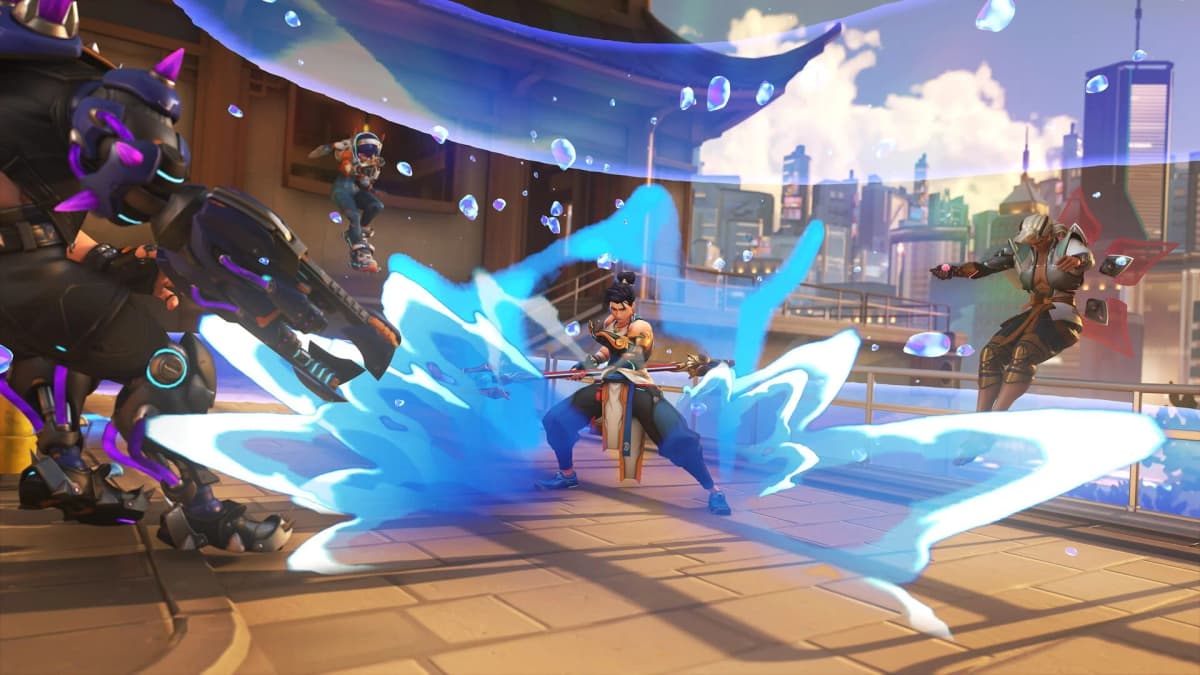
So to roll out what should be the definitive handheld version – overwatch 2 auf nintendo switch 2: launch-performance-probleme und blizzard-patch, as German outlets have been calling it — and have the headline be “it’s capped at 30fps and looks fuzzy” is exactly the opposite of what Blizzard needs. It tells a chunk of the audience, yet again, that they’re an afterthought.
Nintendo players are tired of being the B-tier port
This isn’t happening in a vacuum. The original Overwatch Switch port was compromised but honest about it: 30fps, visual cutbacks, gyro aiming to soften the blow. On that hardware, expectations were tempered. On Switch 2, Blizzard itself raised the bar to “console-like 60fps on the go.”
Other third-party teams have already shown what’s possible on Nintendo’s new hardware when you prioritise it. When your competitors are dropping solid 60fps shooters day one, launching a marquee hero game at 30 and calling it a simple “FPS limit” issue makes it sound like QA never caught what every player noticed in the first match.
That’s the question I’d put to Blizzard’s PR team: did the Switch 2 version ever actually run at a stable 60fps on real hardware before launch, or was “up to 60” always more of a marketing line than a tested reality?
What Blizzard’s patch has to prove
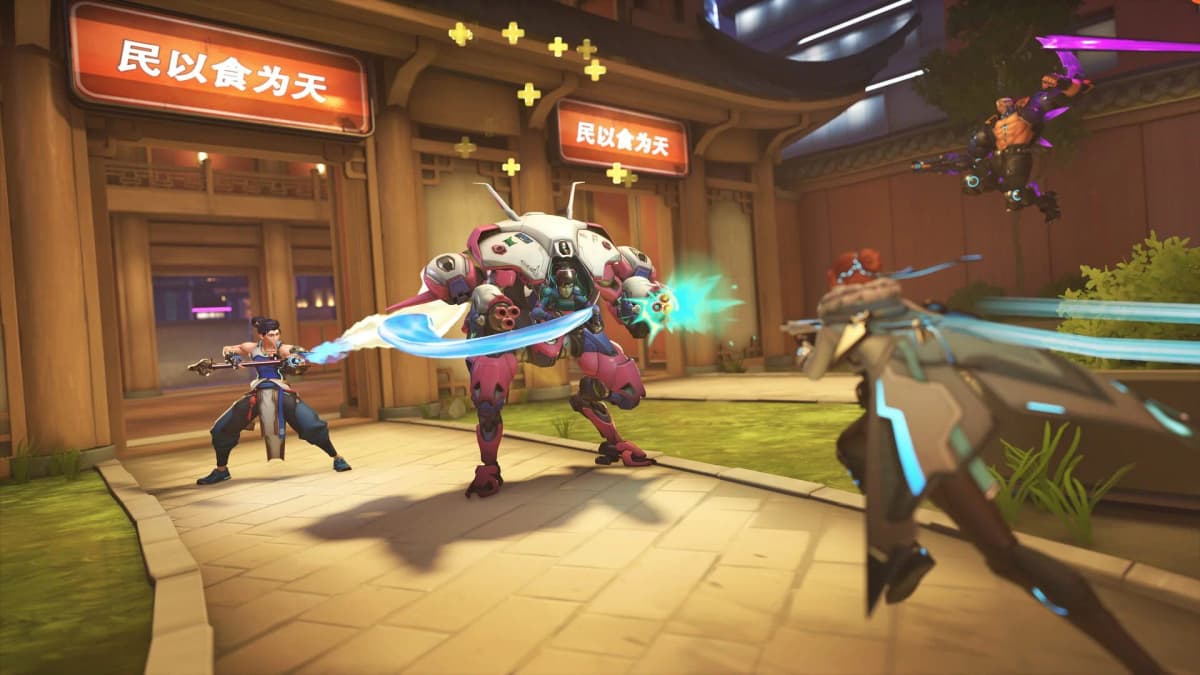
Blizzard hasn’t given a date, only that it’s “working on a patch.” That patch now has to do three things, not one:
- Lift the FPS cap and deliver a stable 60fps in both handheld and docked modes — not just occasional spikes that average out well on a graph.
- Fix the apparent image quality regression so the game actually looks like a native Switch 2 title and not a slightly upscaled last-gen build.
- Clean up the launch bugs (bind resets, Mystery Heroes quirks, missing cosmetics) that make the whole port feel unfinished.
If the first post-patch tests show a genuinely smooth 60 with improved clarity, this story dies quickly and Switch 2 becomes a strong way to play Overwatch on the go. If we get a marginal bump, lingering blur, and a “technically it can hit 60 in empty lobbies” defence, Nintendo players will file this next to every other “promised more, delivered less” live-service port.
What to watch
The next real inflection point is Blizzard’s detailed patch notes for the Switch 2 build and the community benchmarks that follow. When that update lands, watch for three metrics: whether the FPS counter actually locks at 60 in real matches, whether side-by-side captures show sharper visuals than the OG Switch version, and whether Blizzard openly explains what went wrong at launch. Those numbers — and that honesty — will decide if this was a stumble or just how Overwatch on Nintendo is going to be handled this generation.
TL;DR
Overwatch’s new Nintendo Switch 2 edition launched with a 30fps cap and blurrier visuals than the original Switch port, despite Blizzard promising “up to 60 FPS” and improved graphics. The studio has acknowledged an unintended FPS limit and several bugs and says a fix is coming, but hasn’t given a timeline. Until that patch delivers a truly stable 60fps and better image quality, Switch 2 players are getting a second-tier version of a game that can’t afford more own goals.
FinalBoss // Gear
Level up your setup
01Best-selling Switch 2 gameson Amazon→02Switch 2 accessorieson Amazon→038BitDo controllerson Amazon→04Discounted game keyson Kinguin→Affiliate links · As an Amazon Associate, FinalBoss earns from qualifying purchases.
Want to Level Up Your Gaming?
Get access to exclusive strategies, hidden tips, and pro-level insights that we don't share publicly.
Ultimate Gaming Strategy Guide + Weekly Pro Tips