
Pager: Corporate Terror in Every Ping
Game intel
Pager
1-bit Kafkaesque Psychological Horror in a 90s office building. Obey the pager to survive and climb the corporate ladder.
Introduction: Dread Hits the Inbox
Imagine starting your first day at a new job, only to discover that your “coworkers” are frozen in terror—and you’re the device keeping the fear contained. That’s Pager, an indie psychological horror on Steam that hijacks The Stanley Parable’s branching narrative and strips away its cheeky charm, replacing it with oppressive corporate terror. You’re not a person—you’re the pager itself, wired to obey.
Pet the office dog for comfort, and soon you’re executing bizarre orders: flooding the break room with scalding coffee, realigning ink-blotted silhouettes, deciphering garbled memos. Every beep escalates tension, turning ordinary tasks into a waking nightmare you can’t escape.
Game at a Glance
- Title: Pager
- Developer: Undisclosed indie studio
- Genre: Psychological Horror, Narrative Exploration
- Platform: PC (Steam)
- Release Date: 2024
- Price: $7.99 USD
- Influences: The Stanley Parable, SOMA, Severance
Developer & Inspirations
The mind behind Pager remains anonymous, a deliberate choice that only amplifies the mystery. The studio’s low profile shines a spotlight on the game’s ideas rather than the team. Inspirations are clear: it borrows The Stanley Parable’s meta-commentary and branching structure, channels SOMA’s existential dread, and nods to Severance’s nightmarish office absurdity.
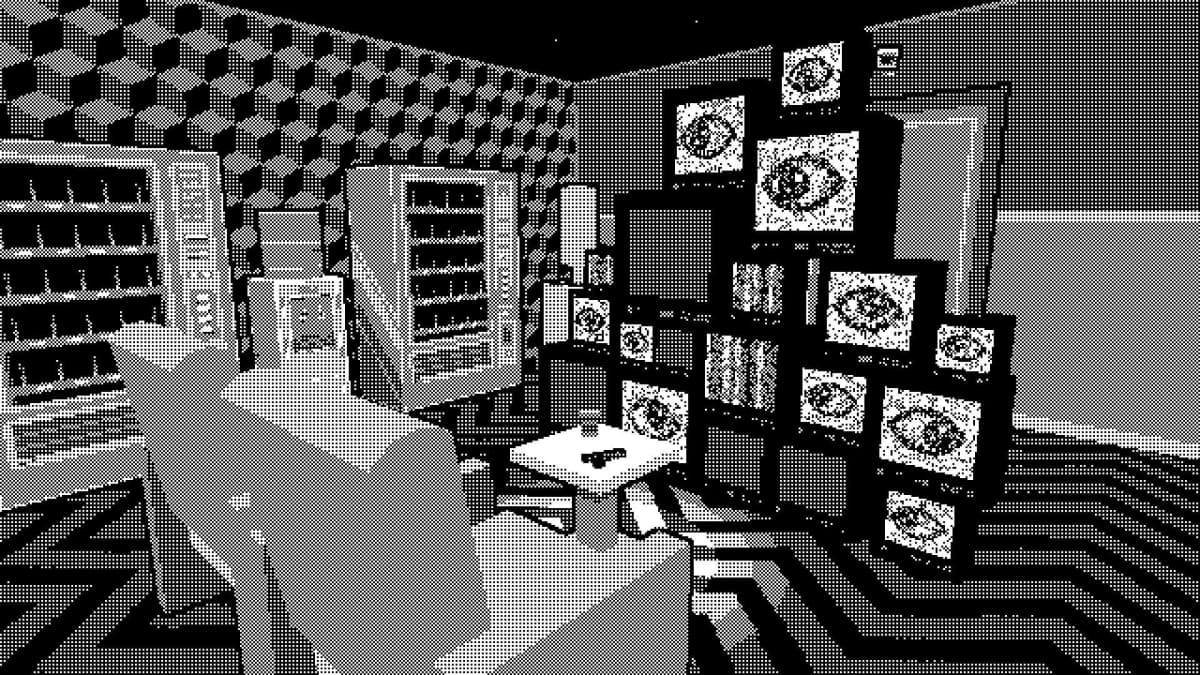
Visuals lean into a minimalist, low-poly style that belies the psychological weight beneath each scene. Sparse dialogue and a restrained narrative voice guide you through corridors that shift and warp, reinforcing one central theme: compliance at any cost and the toll of blind obedience.
In the broader indie horror scene, Pager stands out by marrying narrative puzzles and meta storytelling. It’s proof that a small budget can yield a grand statement when clever design and atmosphere take center stage.
The Terror of Compliance
Pager doesn’t leap for jump scares. Instead, it relies on slow-burning tension and the insidious dread of losing control. Each order arrives as a beep—simple at first: refill the coffee machine, straighten loose papers. But routine soon gives way to the surreal.
- Align ink-stained handprints on a hallway wall until they form unsettling patterns.
- Activate a glitching intercom to broadcast static that echoes like distant screams.
- Flood the break room with scalding brew, watching creaky cabinets swell under pressure.
Every obedient beep draws praise from an unseen voice, even as your own sense of agency dissolves. The true terror isn’t a monster—it’s the creeping erosion of self, enforced by a faceless boss you never meet.
Twisted Puzzles & Uncanny Atmosphere
Corridors fold into themselves, pastel cubicles stretch into sterile voids, and fluorescent lights flicker like dying eyes. A solitary eyeball floats in the gloom, recording your every move. Beneath loose floor tiles, wires writhe like veins. This uncanny environment amplifies Pager’s puzzles:
- Search for hidden floor panels that reveal secret wiring diagrams.
- Trigger concealed levers to reroute power and unlock new hallways.
- Decode cryptic memos that hint at the studio’s darker experiments.
One chilling moment: the friendly office dog glitches, its jaw snapping in a split-second flicker, a reminder that comfort can turn to terror in the blink of an eye.
Narrative & Themes
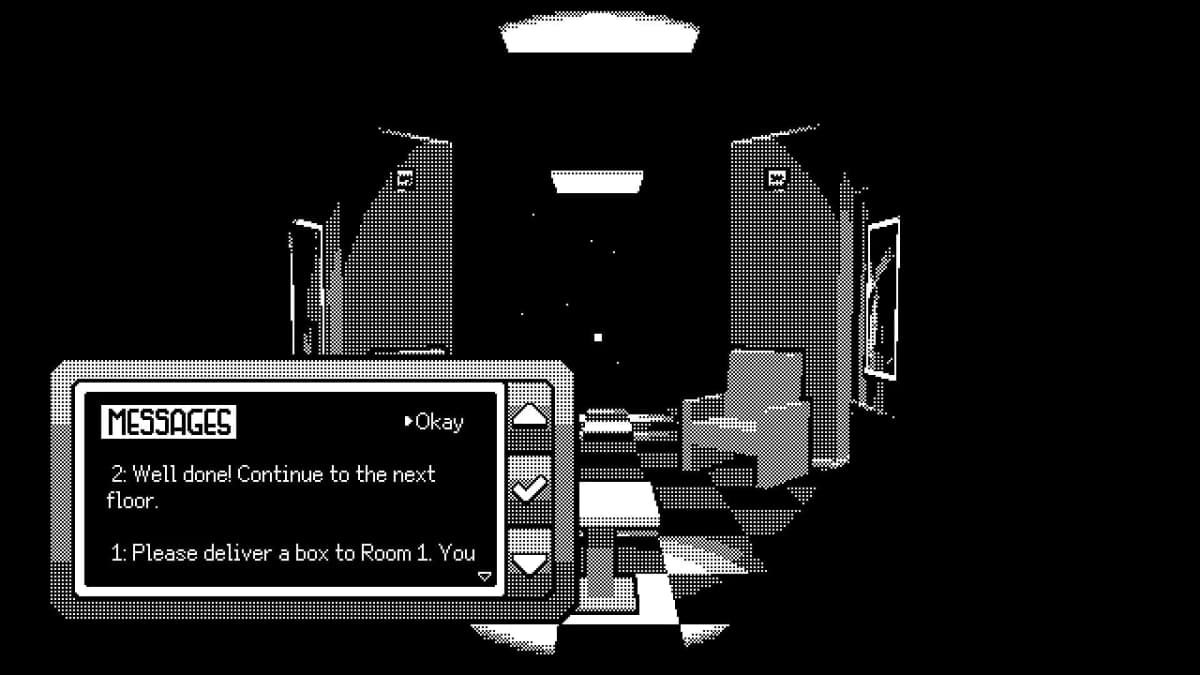
Pager’s story is woven through each notification. Who is the puppet master sending these commands? Are you a test subject, a mindless drone, or part of a grand experiment? Refuse an order, and you risk abrupt “termination.” Obey, and you’re drawn deeper into a labyrinth of surreal corridors, each more unsettling than the last.
Your choices—whether to comply or subtly resist—branch into variations of the same nightmare loop. At its core, Pager explores dehumanization, corporate exploitation, and the loss of identity, each ping punctuating the descent into madness.
Want to Level Up Your Gaming?
Get access to exclusive strategies, hidden tips, and pro-level insights that we don't share publicly.
Ultimate Gaming Strategy Guide + Weekly Pro Tips
Graphics & Sound Design
At first glance, Pager’s low-poly visuals feel almost quaint. But simplicity is a cloak for the uncanny valley beneath:
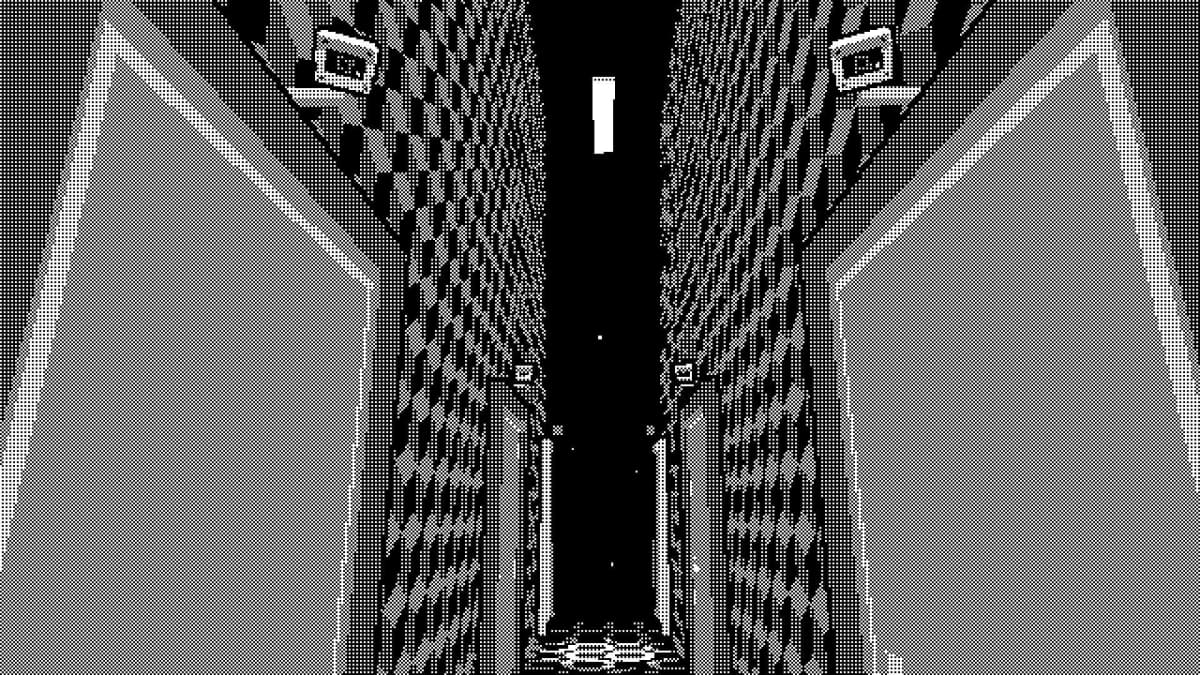
- Stark shadows carve into corners, hinting at unseen threats.
- Walls seem to pulse, breathing in time with your own increasing heartbeat.
- Subtle color shifts—from institutional gray to sickly pastel—ratchet up unease.
The real star is sound. Distant machinery hums with a life of its own, intercom crackles interrupt your footsteps, and obsessive keyboard clicks echo in empty halls. Most unsettling is the pager’s single, looping beep—each tone both command and condemnation.
Silence becomes a weapon; every pause fills you with dread, waiting for that next signal to obey.
Branching Paths & Endings
Pager rewards multiple playthroughs. An early choice—blind compliance or subtle resistance—steers you into different nightmare wings. One branch might reveal cryptic scrawls on a whiteboard; another traps you in an elevator that loops endlessly.
- Bleak assimilation: You become part of the corporate machine, your identity lost.
- Mind-bending loop: You’re caught in eternal repetition, questioning whether escape exists.
- Hidden closure: Secret audio logs hint at the studio’s horrifying experiments.
No ending feels complete. Each doorway you unlock exposes more questions, compelling you to click “Play Again” and chase hidden puzzles you missed.
Replayability & Value
At under eight dollars, Pager delivers high replay value. Your first run spans around 45 minutes, but each path holds new horrors. Secret alcoves, whispered audio logs, and branching puzzles lure completionists back.
Its low Steam profile means fresh experiences. Without spoiler-ridden mainstream coverage, even late arrivals can explore secrets unspoiled. And if the thought of an overbearing boss makes your palms sweat, you’ll gladly revisit this corporate nightmare again and again.
Accessibility & Updates
Pager includes basic accessibility options—subtitles for every prompt and customizable key bindings to ease repetitive strain. Though modest, these features demonstrate the studio’s commitment to player comfort in a game designed to be uncomfortable.
The developer has hinted at future updates: potential new branches, extra puzzles, and expanded audio logs. Community feedback on Steam forums has driven tweaks to lighting intensity and puzzle pacing, showing an engaged creator who listens.
How Pager Stands Out
In a market crowded with jump-scare horror and gore, Pager’s quiet psychological terror sets it apart. While titles like Layers of Fear and Observer focus on visceral shock, Pager refines dread into an exercise of compliance. It’s not about what leaps at you—it’s about how far you’ll go to respond to each ping.
Its indie pedigree shines through: a lean experience without filler, every design choice reinforcing its themes. For players craving a narrative-driven horror that lingers long after the PC powers down, Pager is a standout.